Bookmark us — we're always digging up another great one worth seeing. Ctrl+D (⌘+D on Mac)
RC
RetroClips
Ten seconds of film history. Twenty seconds of why it matters.
Do you love classic movies? So do we — we built this hoping you'll fall for one you've never seen, one shot at a time. A lot of early film history is underseen, under-preserved, or just plain forgotten, and we don't think it should be — this is our small effort to help keep it in circulation.
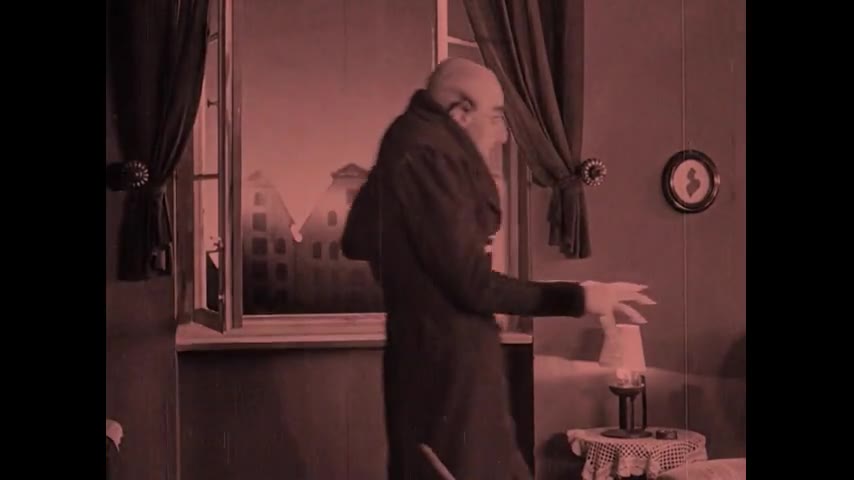
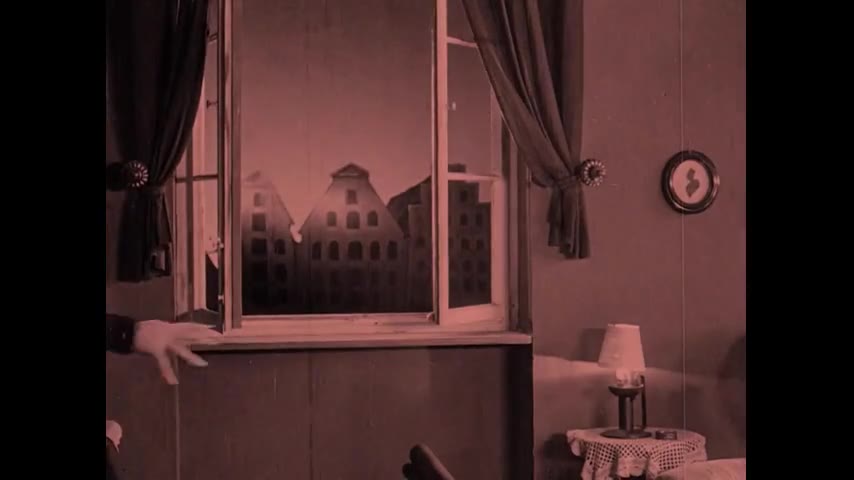
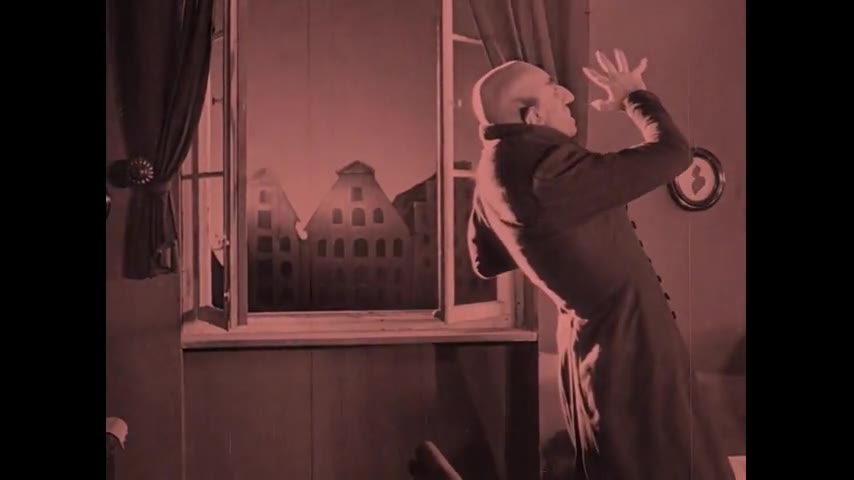
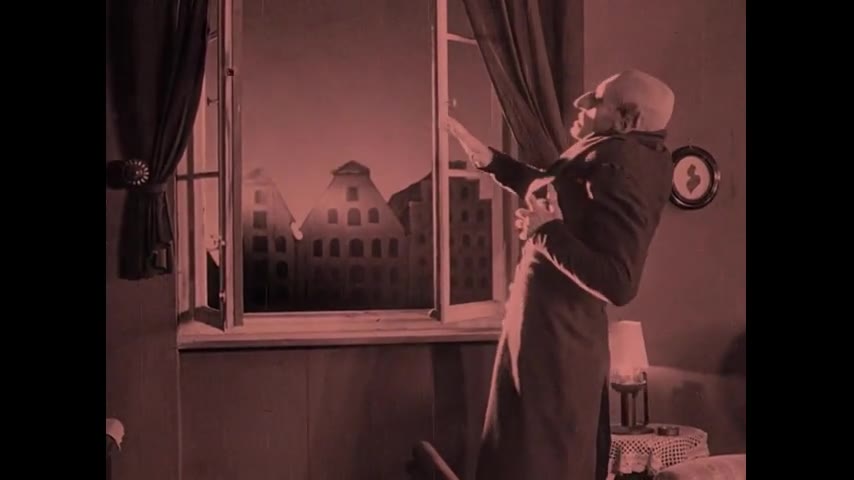
This single pose — Schreck's silhouette, fingers splayed into claws against the window light — is the most reproduced image from the entire film, used on posters and in textbooks ever since. Murnau builds to it with almost a minute of unbroken tension, then holds the shape just long enough to burn it into memory.This single pose — Schreck's silhouette, fingers splayed into claws against the window light — is the most reproduced image from the entire film, used on posters and in textbooks ever since. Murnau builds to it with almost a minute of unbroken tension, then holds the shape just long enough to burn it into memory.
This single pose — Schreck's silhouette, fingers splayed into claws against the window light — is the most reproduced image from the entire film, used on posters and in textbooks ever since. Murnau builds to it with almost a minute of unbroken tension, then holds the shape just long enough to burn it into memory.
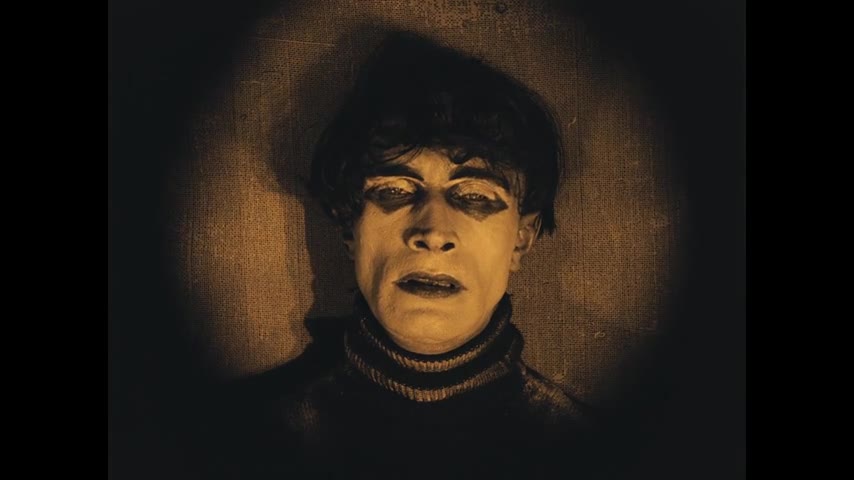
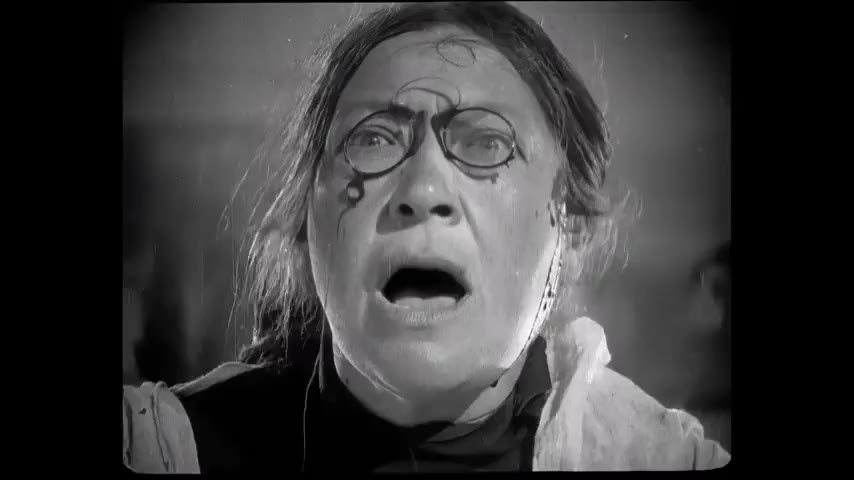
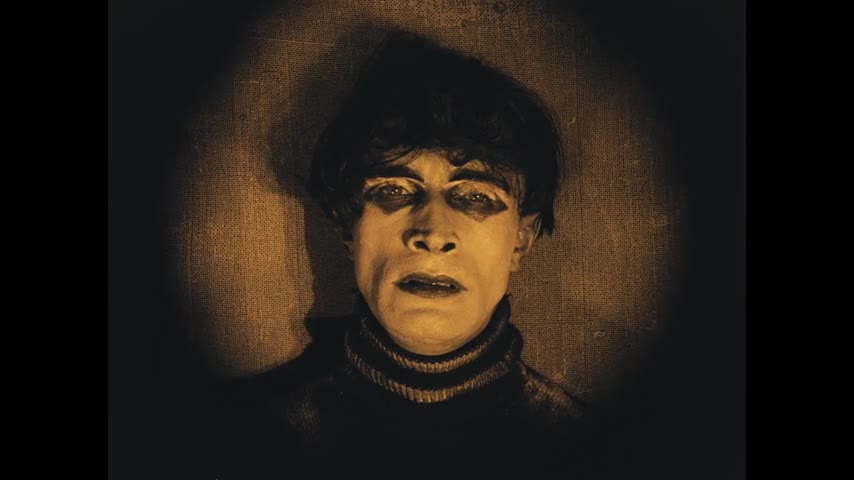
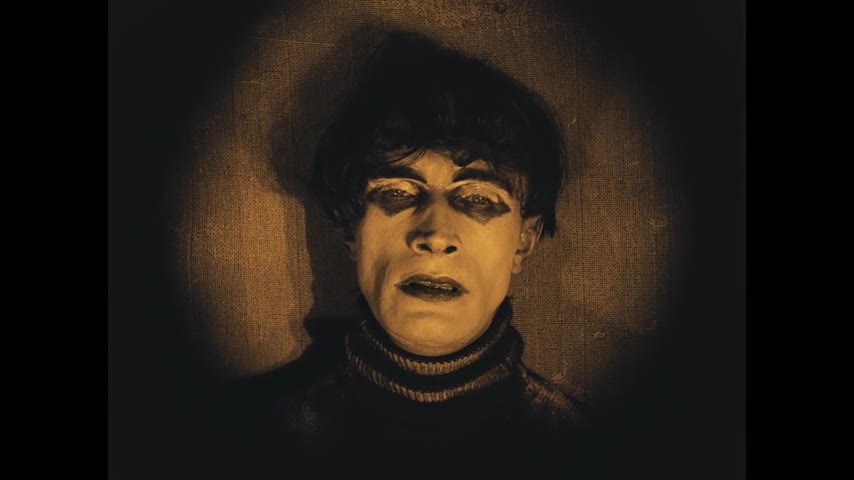
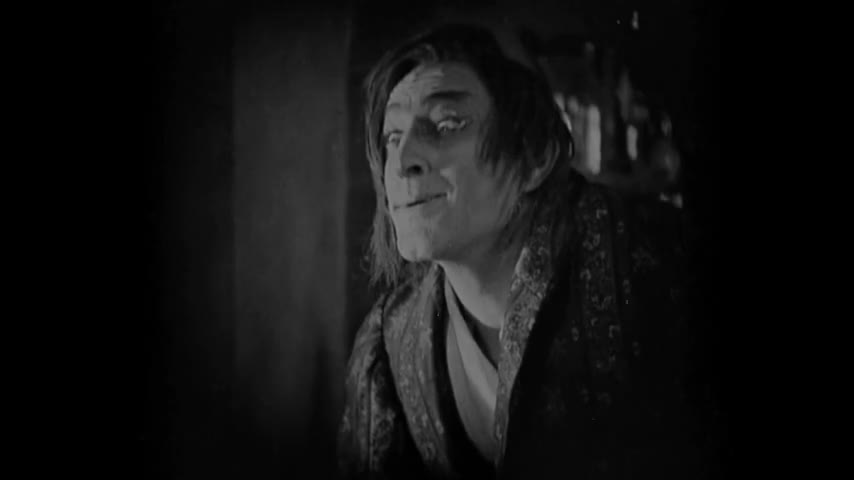
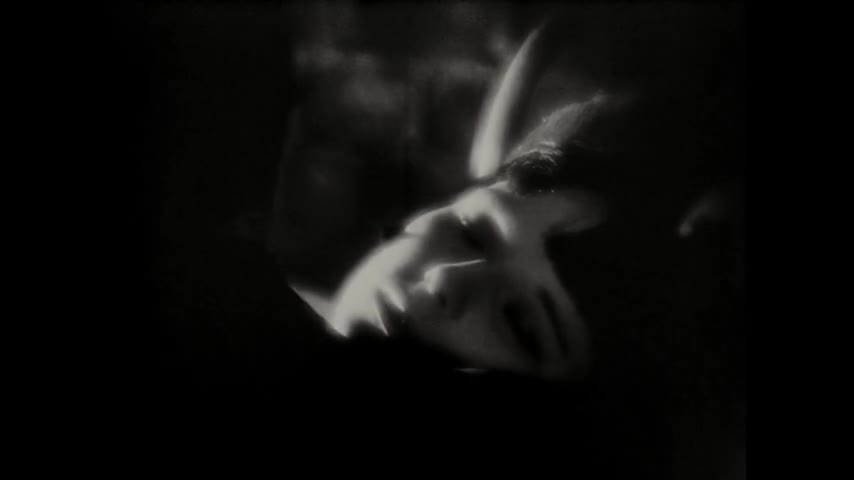
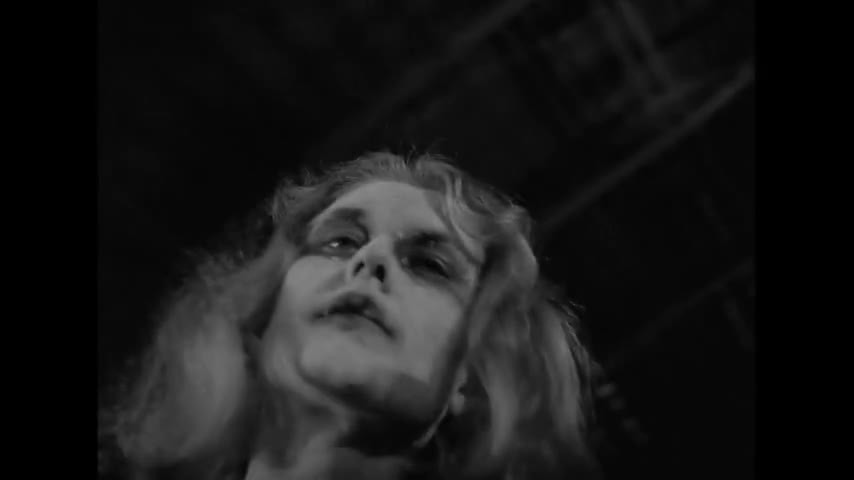
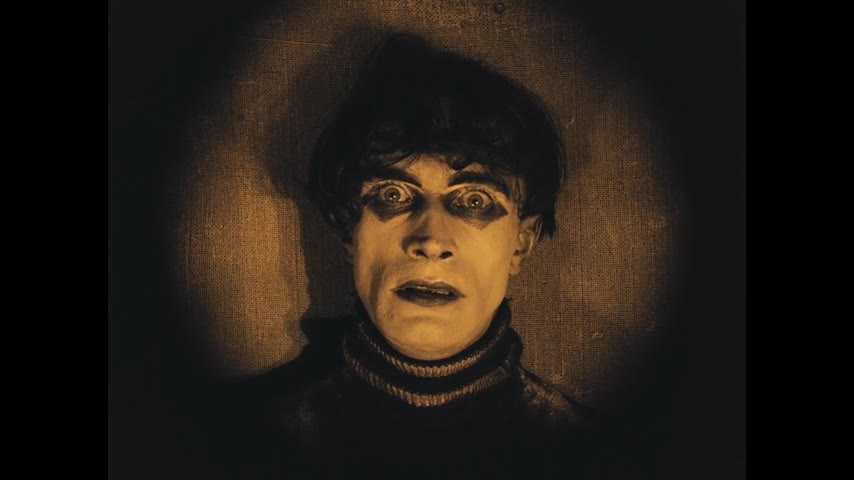
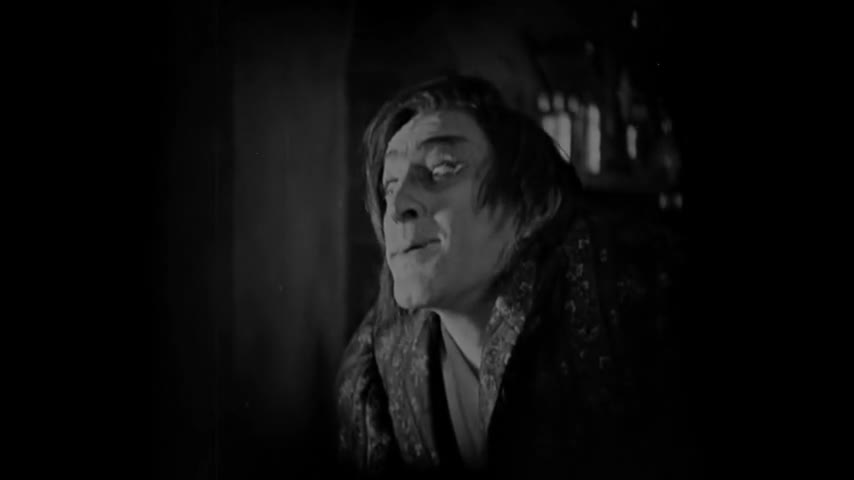
Conrad Veidt holds this single unbroken close-up for the better part of a minute, letting the kohl-rimmed eyes and painted-on shadows do all the acting — no cuts, no reaction shots, just Caligari's voice calling him out of the dark. It's one of the earliest horror films to trust stillness over movement to unsettle an audience.Conrad Veidt holds this single unbroken close-up for the better part of a minute, letting the kohl-rimmed eyes and painted-on shadows do all the acting — no cuts, no reaction shots, just Caligari's voice calling him out of the dark. It's one of the earliest horror films to trust stillness over movement to unsettle an audience.
Conrad Veidt holds this single unbroken close-up for the better part of a minute, letting the kohl-rimmed eyes and painted-on shadows do all the acting — no cuts, no reaction shots, just Caligari's voice calling him out of the dark. It's one of the earliest horror films to trust stillness over movement to unsettle an audience.
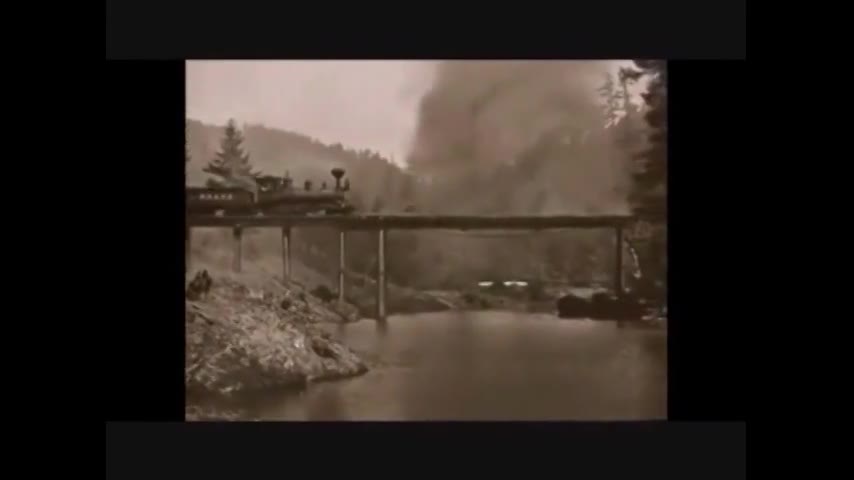
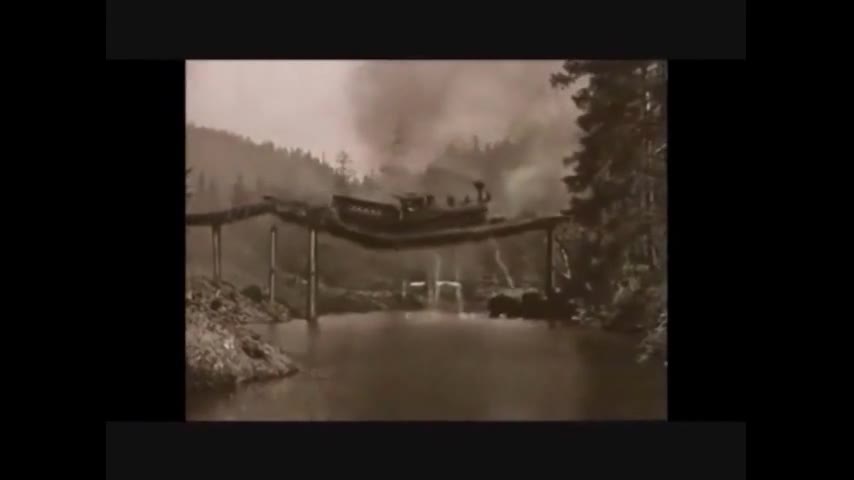
That's not a miniature — Keaton actually dropped a full locomotive through a burning bridge, once, on camera, with no retakes possible. It was the single most expensive shot of the entire silent era. No stunt double, no trick photography, just a director who insisted the danger had to be real.That's not a miniature — Keaton actually dropped a full locomotive through a burning bridge, once, on camera, with no retakes possible. It was the single most expensive shot of the entire silent era. No stunt double, no trick photography, just a director who insisted the danger had to be real.
That's not a miniature — Keaton actually dropped a full locomotive through a burning bridge, once, on camera, with no retakes possible. It was the single most expensive shot of the entire silent era. No stunt double, no trick photography, just a director who insisted the danger had to be real.
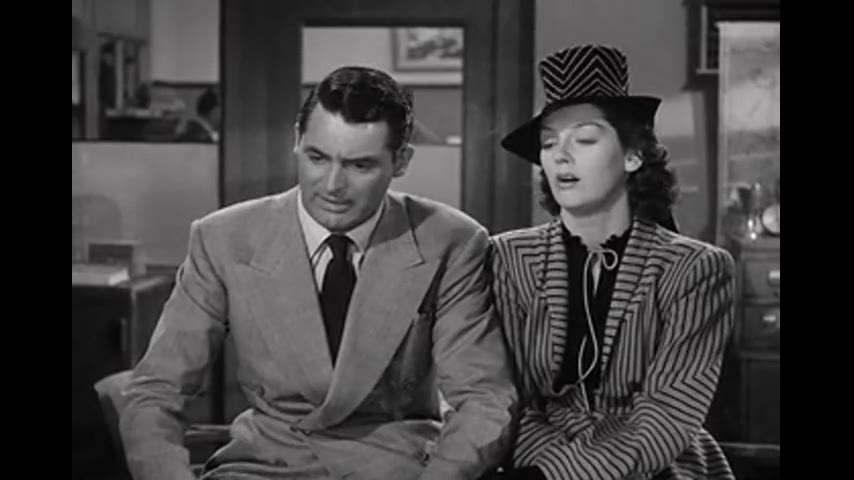
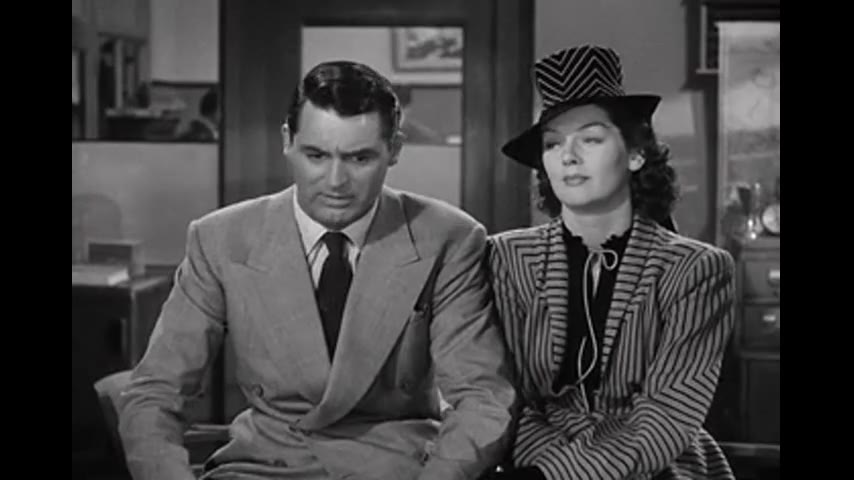
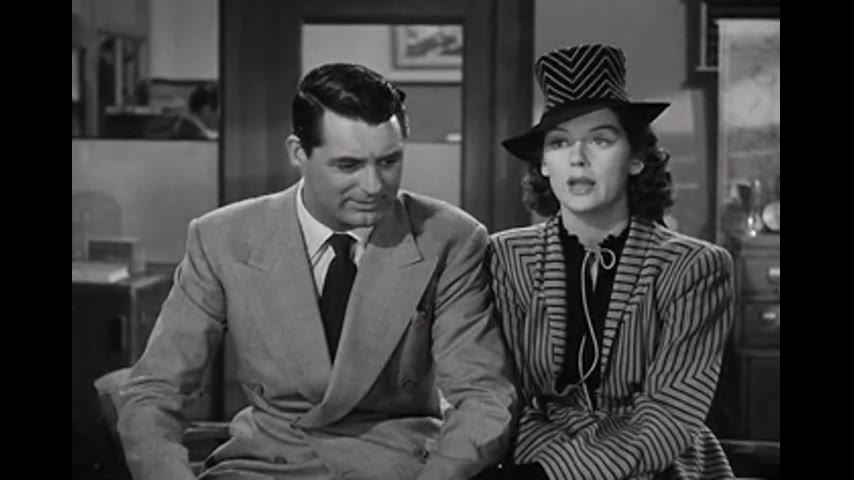
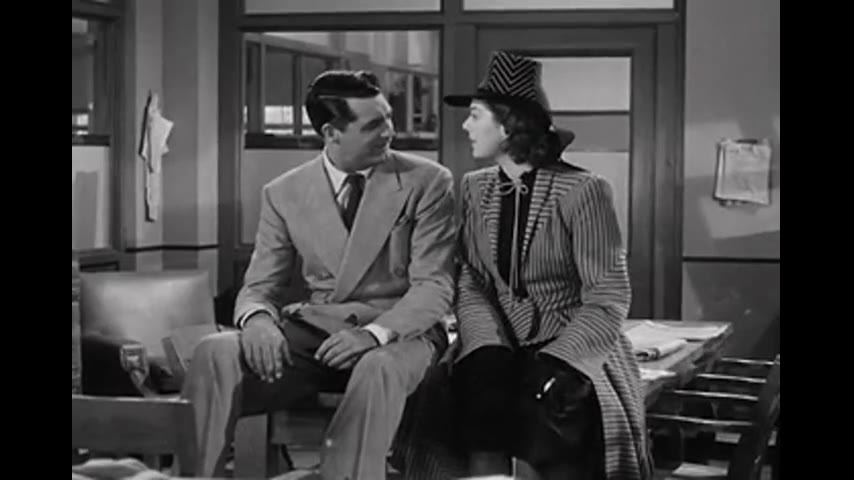
Hawks clocked this dialogue at nearly 240 words a minute, with actors deliberately talking over each other's lines. Most screenplays don't survive that; his did, because the overlaps were scripted, not improvised. It's still the reference point for fast-talking comedy, from Gilmore Girls to Aaron Sorkin's entire career.Hawks clocked this dialogue at nearly 240 words a minute, with actors deliberately talking over each other's lines. Most screenplays don't survive that; his did, because the overlaps were scripted, not improvised. It's still the reference point for fast-talking comedy, from Gilmore Girls to Aaron Sorkin's entire career.
Hawks clocked this dialogue at nearly 240 words a minute, with actors deliberately talking over each other's lines. Most screenplays don't survive that; his did, because the overlaps were scripted, not improvised. It's still the reference point for fast-talking comedy, from Gilmore Girls to Aaron Sorkin's entire career.
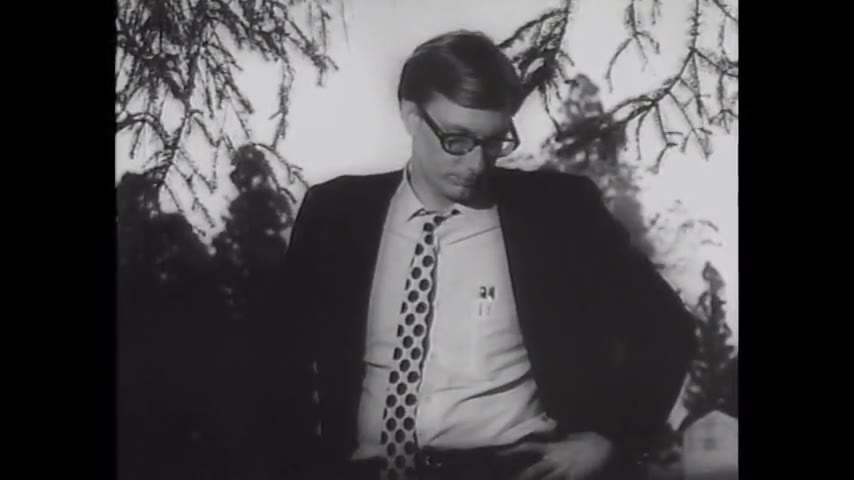
Romero shot this on a shoestring in rural Pennsylvania, and the grainy 16mm newsreel look wasn't a style choice — it's just what a $114,000 budget gets you. That accidental realism is what made it terrifying. It also invented the modern zombie outright; the word "zombie" never appears in the script.Romero shot this on a shoestring in rural Pennsylvania, and the grainy 16mm newsreel look wasn't a style choice — it's just what a $114,000 budget gets you. That accidental realism is what made it terrifying. It also invented the modern zombie outright; the word "zombie" never appears in the script.
Romero shot this on a shoestring in rural Pennsylvania, and the grainy 16mm newsreel look wasn't a style choice — it's just what a $114,000 budget gets you. That accidental realism is what made it terrifying. It also invented the modern zombie outright; the word "zombie" never appears in the script.
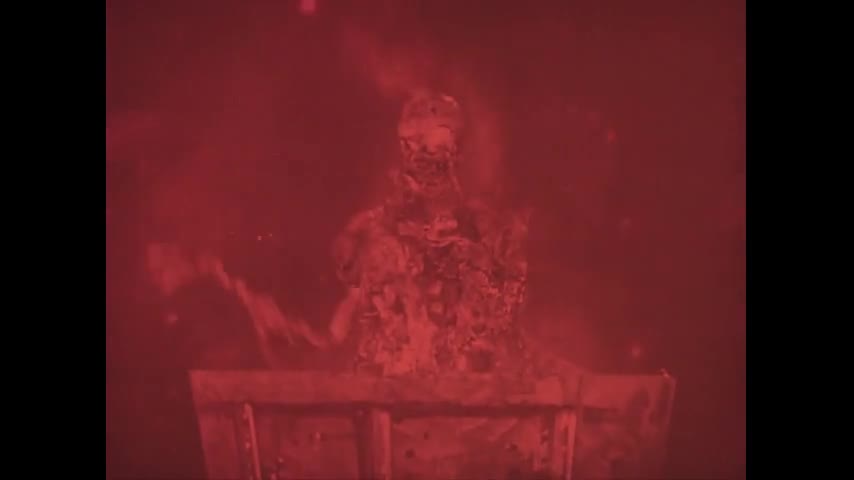
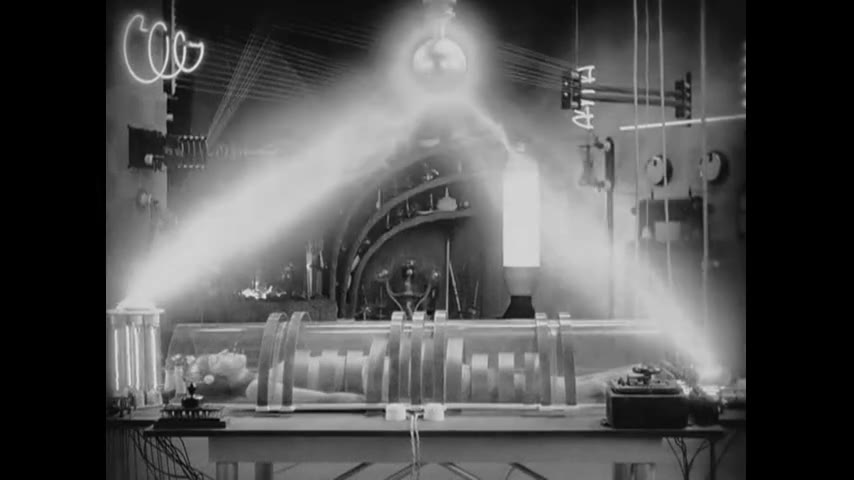
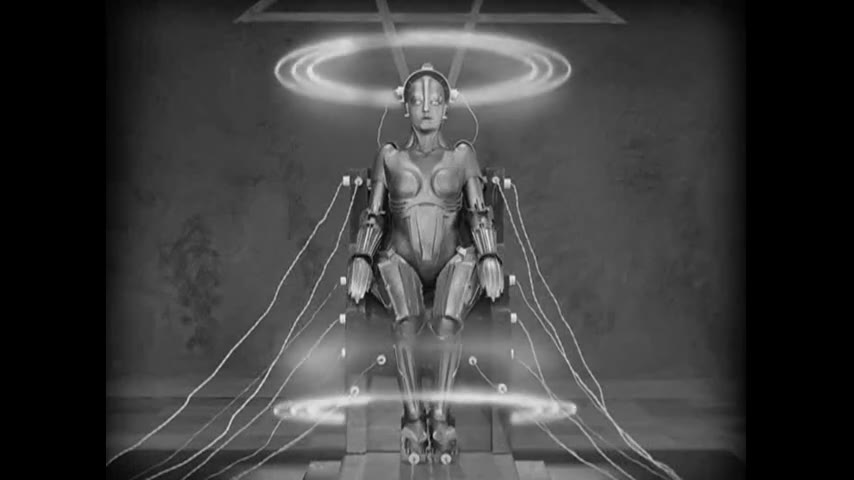
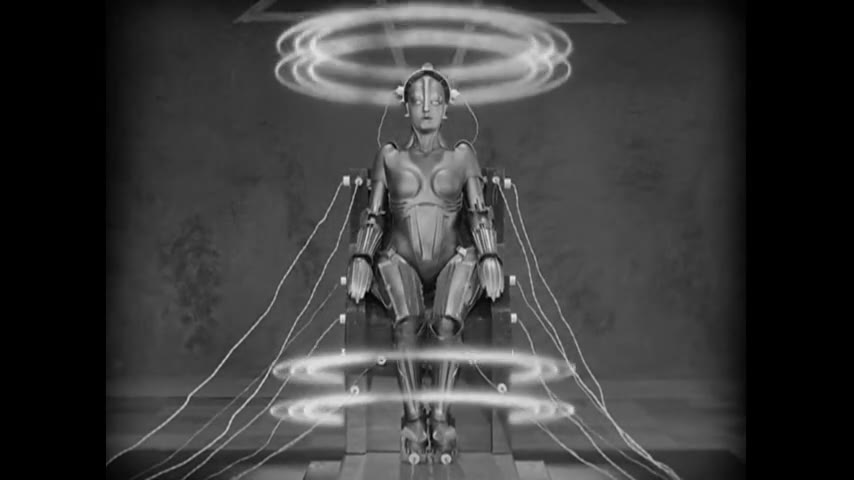
This transformation was built with practical light rings and in-camera exposure tricks decades before CGI existed — nobody has fully reverse-engineered Lang's exact method. The robot itself became the template for basically every sci-fi android after it, C-3PO included. A hundred years old and it still looks expensive.This transformation was built with practical light rings and in-camera exposure tricks decades before CGI existed — nobody has fully reverse-engineered Lang's exact method. The robot itself became the template for basically every sci-fi android after it, C-3PO included. A hundred years old and it still looks expensive.
This transformation was built with practical light rings and in-camera exposure tricks decades before CGI existed — nobody has fully reverse-engineered Lang's exact method. The robot itself became the template for basically every sci-fi android after it, C-3PO included. A hundred years old and it still looks expensive.
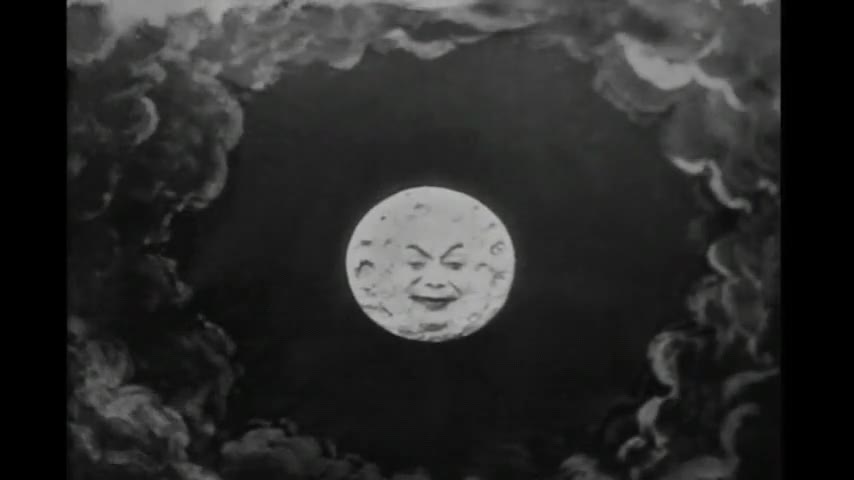
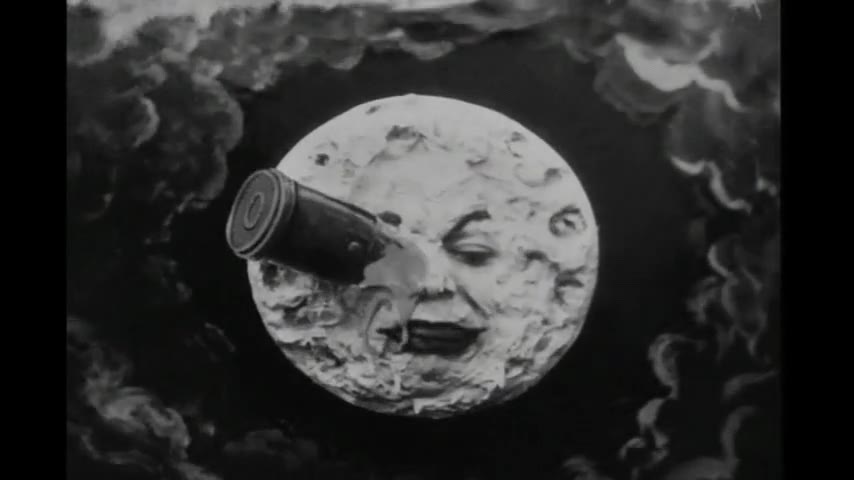
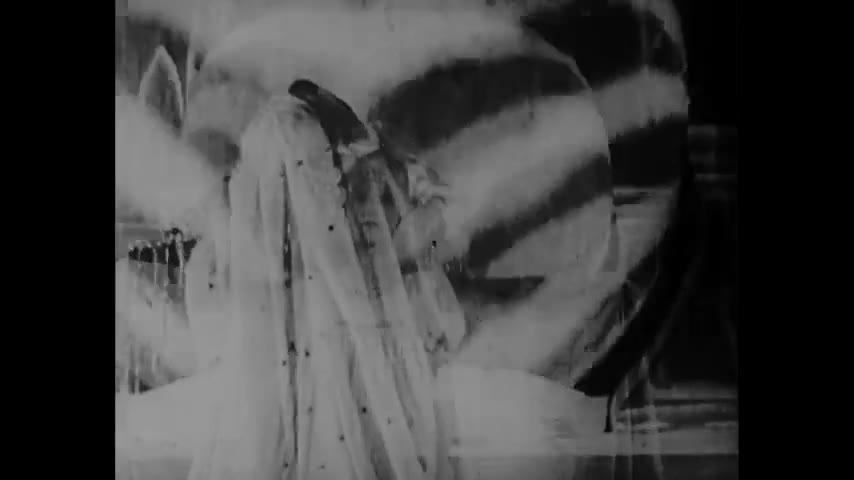
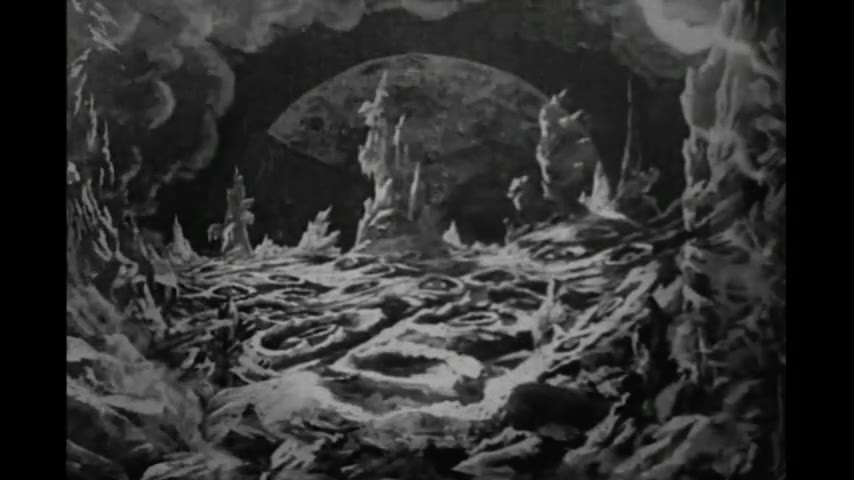
Méliès gets this effect with nothing but a papier-mâché moon and his signature stop-substitution splice — a trick he stumbled into by accident years earlier when his camera jammed mid-shot on a Paris street. It's the first special-effects image anyone still remembers, reproduced for over a century, from posters to a Smashing Pumpkins video.Méliès gets this effect with nothing but a papier-mâché moon and his signature stop-substitution splice — a trick he stumbled into by accident years earlier when his camera jammed mid-shot on a Paris street. It's the first special-effects image anyone still remembers, reproduced for over a century, from posters to a Smashing Pumpkins video.
Méliès gets this effect with nothing but a papier-mâché moon and his signature stop-substitution splice — a trick he stumbled into by accident years earlier when his camera jammed mid-shot on a Paris street. It's the first special-effects image anyone still remembers, reproduced for over a century, from posters to a Smashing Pumpkins video.
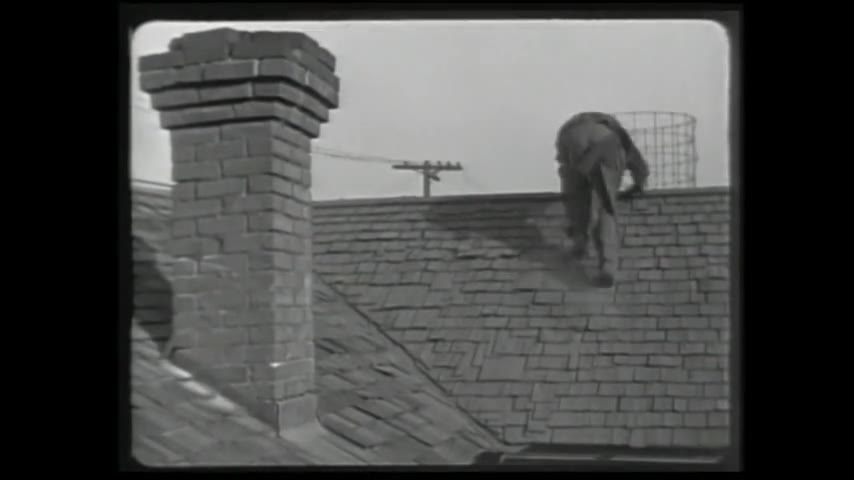
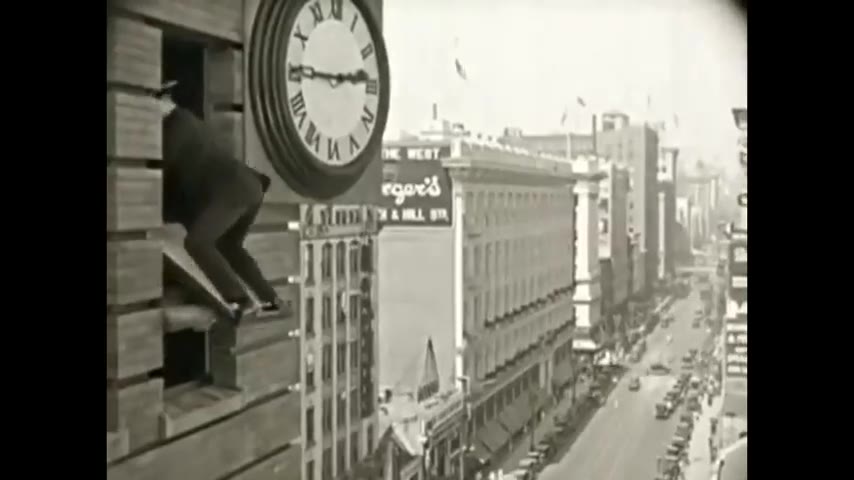
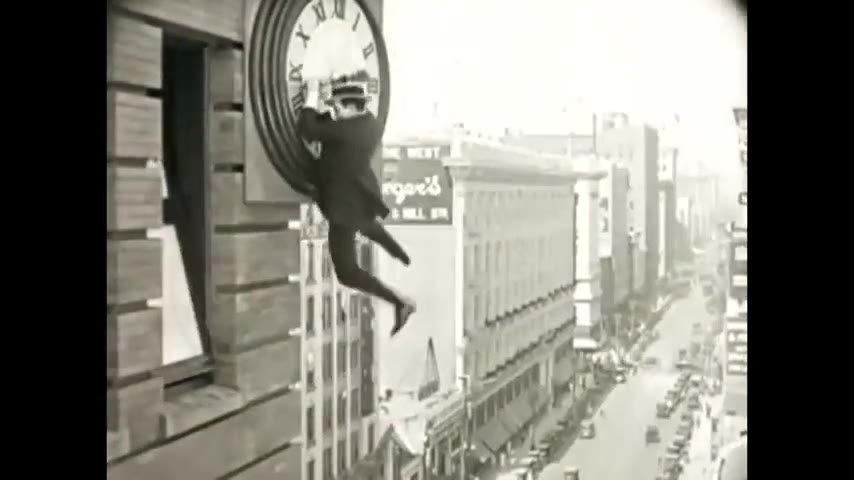
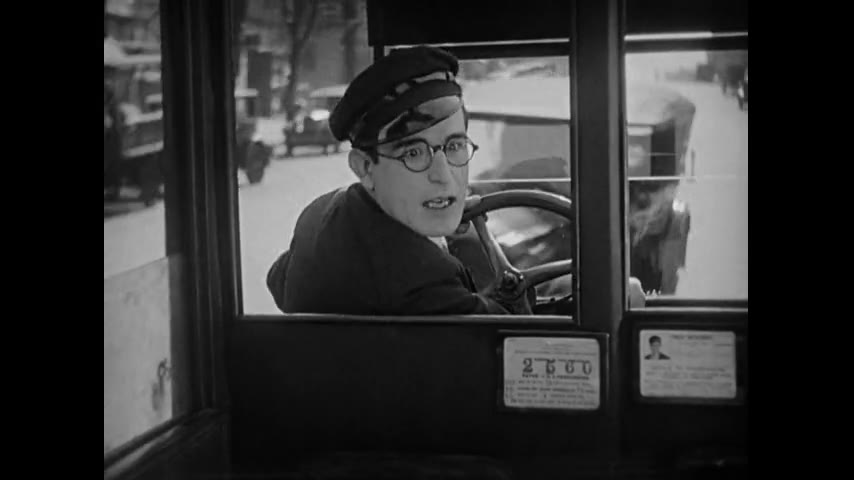
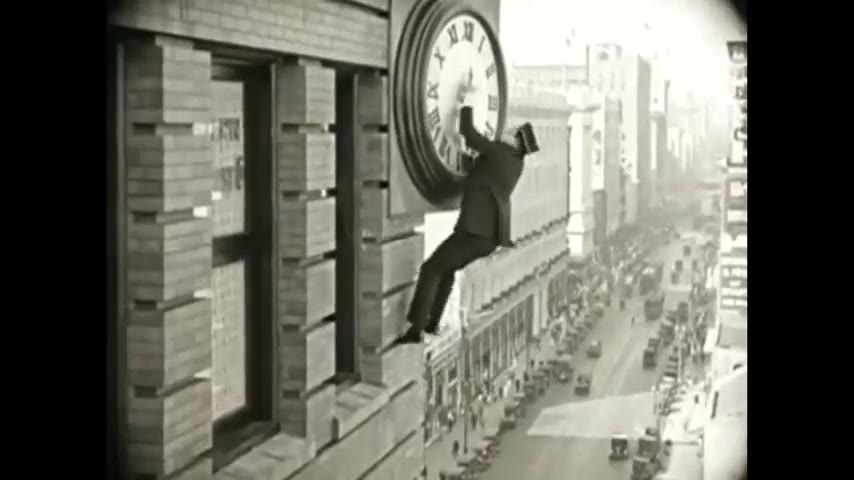
Lloyd was missing most of his right hand from a prop-bomb accident three years earlier and wore a prosthetic glove to hide it through every one of these climbs. The buildings were staged in forced perspective on rooftops with a mattress-covered platform just out of camera range — real height, real risk, no trick photography for the fall itself.Lloyd was missing most of his right hand from a prop-bomb accident three years earlier and wore a prosthetic glove to hide it through every one of these climbs. The buildings were staged in forced perspective on rooftops with a mattress-covered platform just out of camera range — real height, real risk, no trick photography for the fall itself.
Fred C. Newmeyer, Sam Taylor — USA — Action-Comedy / Silent
Hanging from the clock
Lloyd was missing most of his right hand from a prop-bomb accident three years earlier and wore a prosthetic glove to hide it through every one of these climbs. The buildings were staged in forced perspective on rooftops with a mattress-covered platform just out of camera range — real height, real risk, no trick photography for the fall itself.
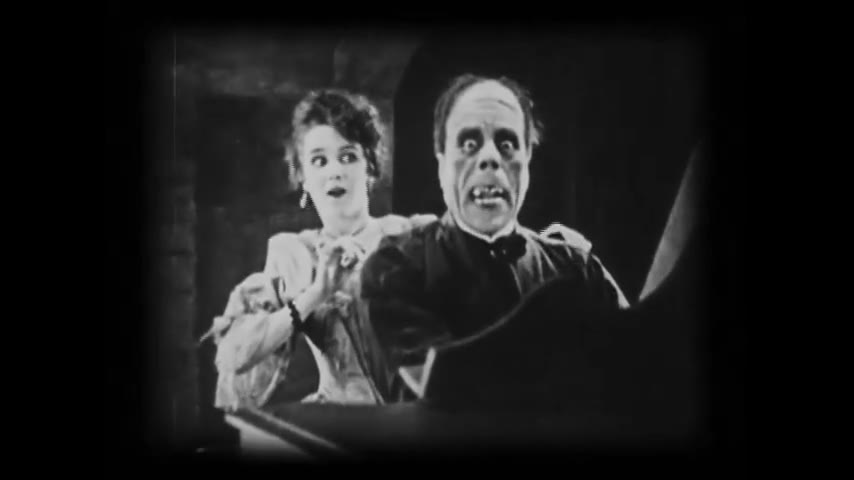
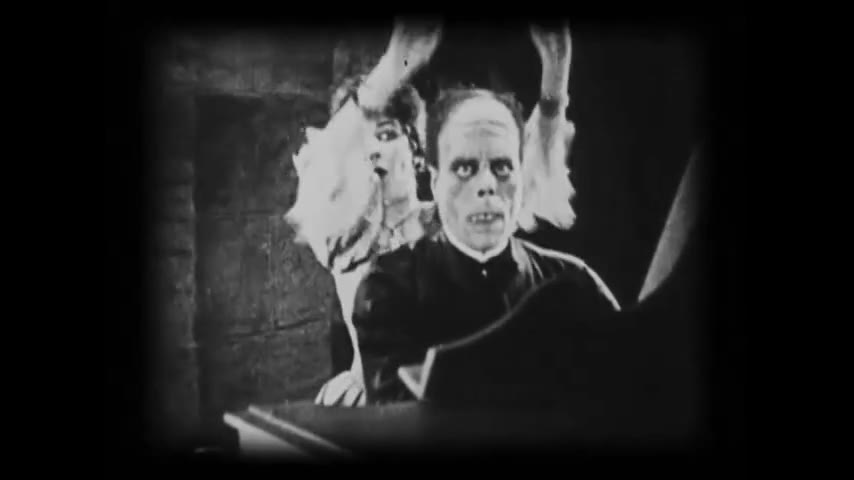
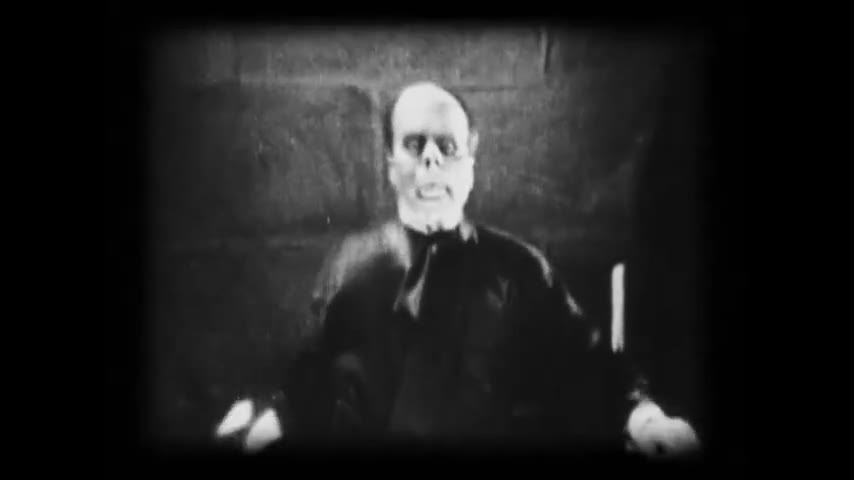
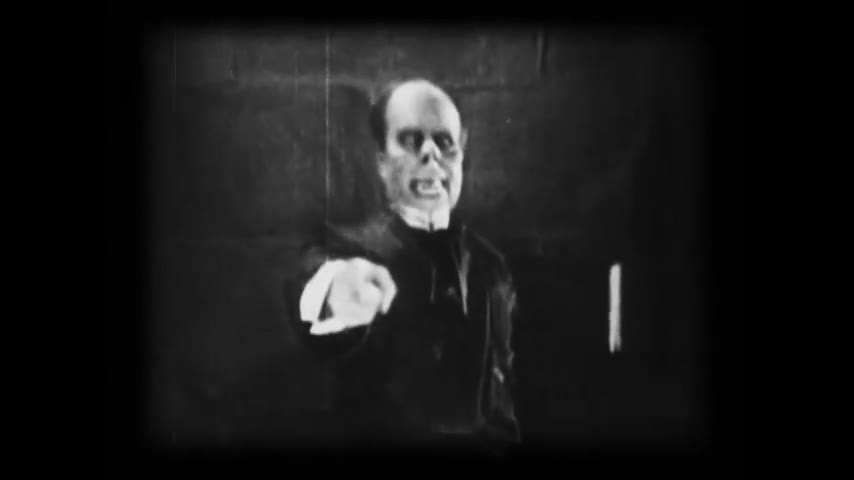
Lon Chaney designed and applied this makeup himself, using wire to flare his nostrils and paint to hollow out his eyes and cheekbones. Universal kept the unmasked face out of all pre-release publicity specifically so 1925 audiences would see it for the first time in the theater, screaming right along with Christine.Lon Chaney designed and applied this makeup himself, using wire to flare his nostrils and paint to hollow out his eyes and cheekbones. Universal kept the unmasked face out of all pre-release publicity specifically so 1925 audiences would see it for the first time in the theater, screaming right along with Christine.
Lon Chaney designed and applied this makeup himself, using wire to flare his nostrils and paint to hollow out his eyes and cheekbones. Universal kept the unmasked face out of all pre-release publicity specifically so 1925 audiences would see it for the first time in the theater, screaming right along with Christine.
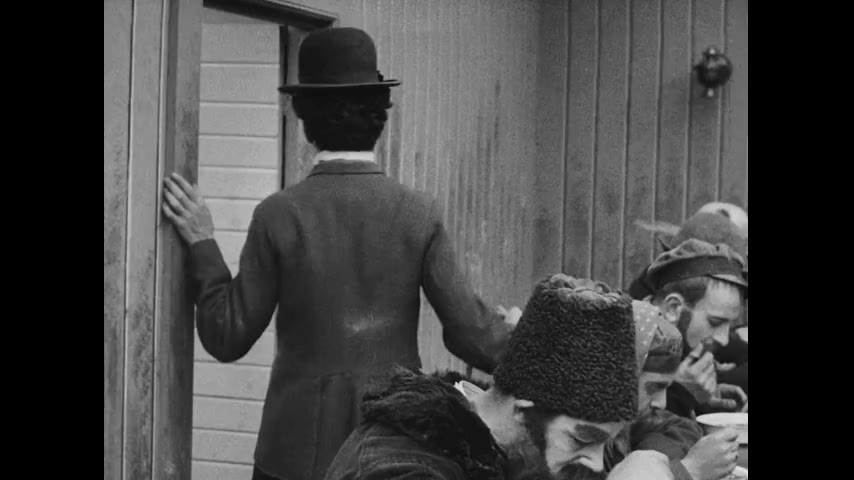
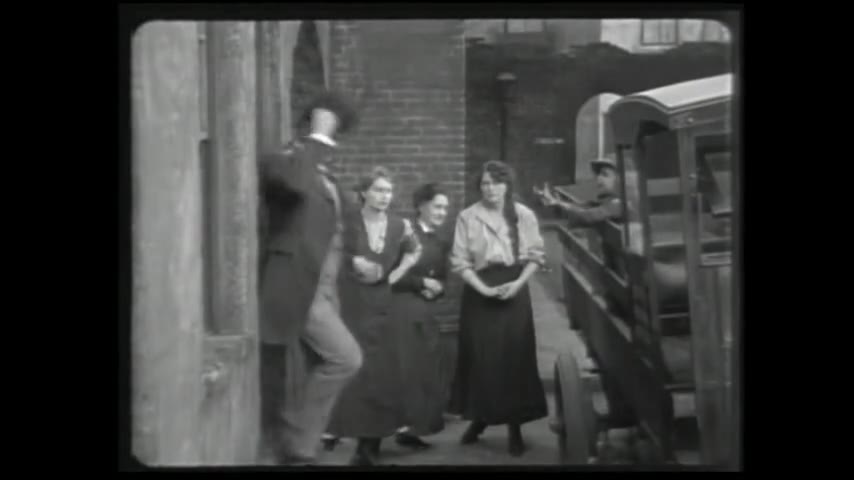
Chaplin shot this the same year he was fighting to keep the film out of a bankruptcy settlement entirely, re-editing it in secret and smuggling the negative to Utah in a fruit truck. The chase reads as pure slapstick, but it comes right after a scene of the Tramp genuinely sobbing on a doorstep -- the tonal whiplash was the whole point.Chaplin shot this the same year he was fighting to keep the film out of a bankruptcy settlement entirely, re-editing it in secret and smuggling the negative to Utah in a fruit truck. The chase reads as pure slapstick, but it comes right after a scene of the Tramp genuinely sobbing on a doorstep -- the tonal whiplash was the whole point.
Chaplin shot this the same year he was fighting to keep the film out of a bankruptcy settlement entirely, re-editing it in secret and smuggling the negative to Utah in a fruit truck. The chase reads as pure slapstick, but it comes right after a scene of the Tramp genuinely sobbing on a doorstep -- the tonal whiplash was the whole point.
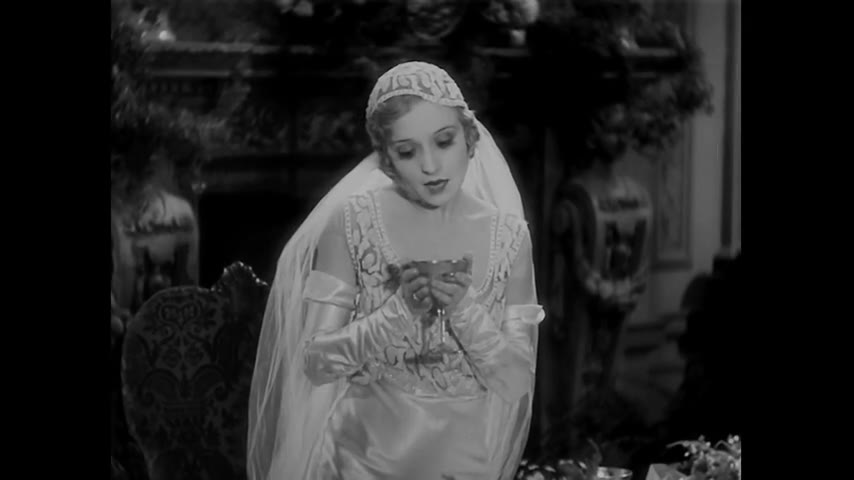
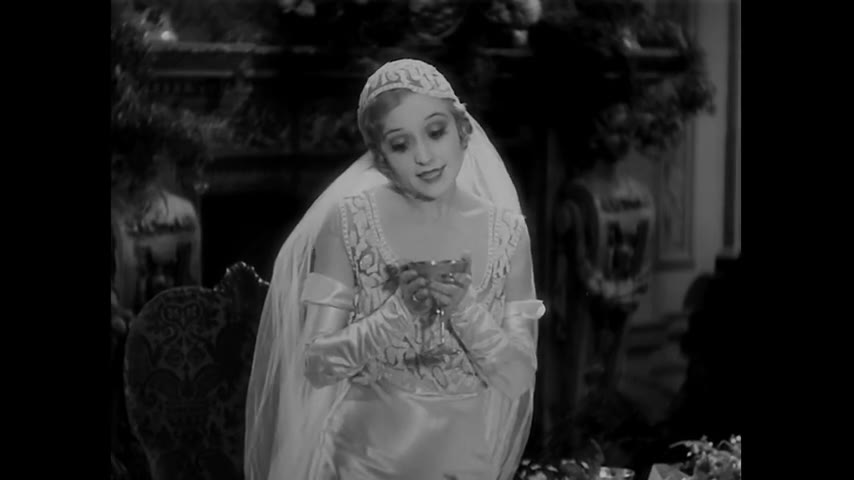
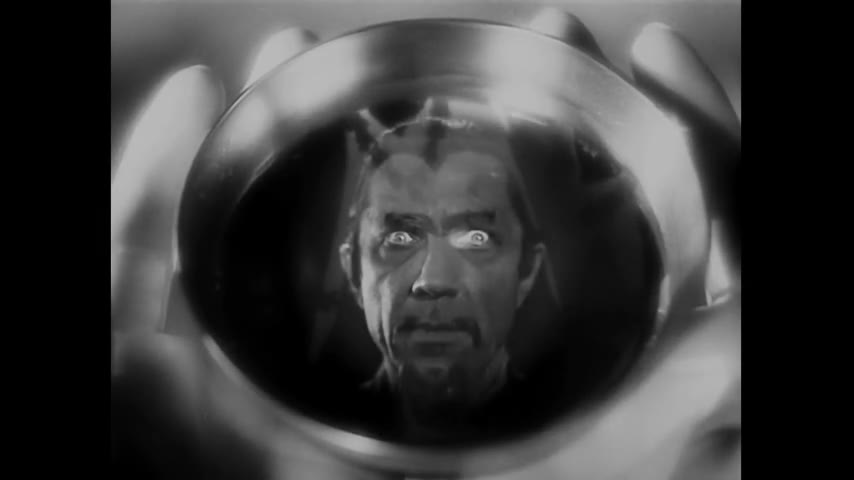
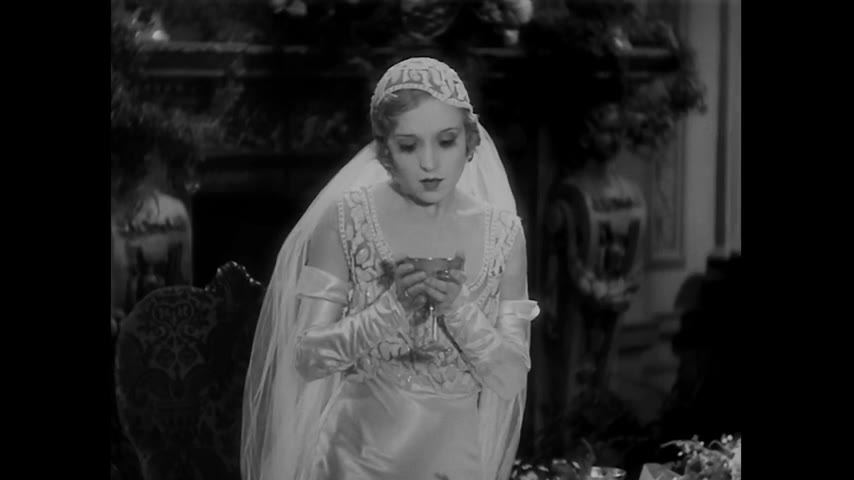
Bela Lugosi's eyes were double-exposed directly into the wine glass for this shot -- the first feature film built entirely around Haitian zombie folklore, sixteen years before the word reached Val Lewton or Romero. Legendre's poisoned toast and the stare that follows became the single image most associated with the movie, reprinted on posters long after the film itself nearly vanished from circulation.Bela Lugosi's eyes were double-exposed directly into the wine glass for this shot -- the first feature film built entirely around Haitian zombie folklore, sixteen years before the word reached Val Lewton or Romero. Legendre's poisoned toast and the stare that follows became the single image most associated with the movie, reprinted on posters long after the film itself nearly vanished from circulation.
Bela Lugosi's eyes were double-exposed directly into the wine glass for this shot -- the first feature film built entirely around Haitian zombie folklore, sixteen years before the word reached Val Lewton or Romero. Legendre's poisoned toast and the stare that follows became the single image most associated with the movie, reprinted on posters long after the film itself nearly vanished from circulation.
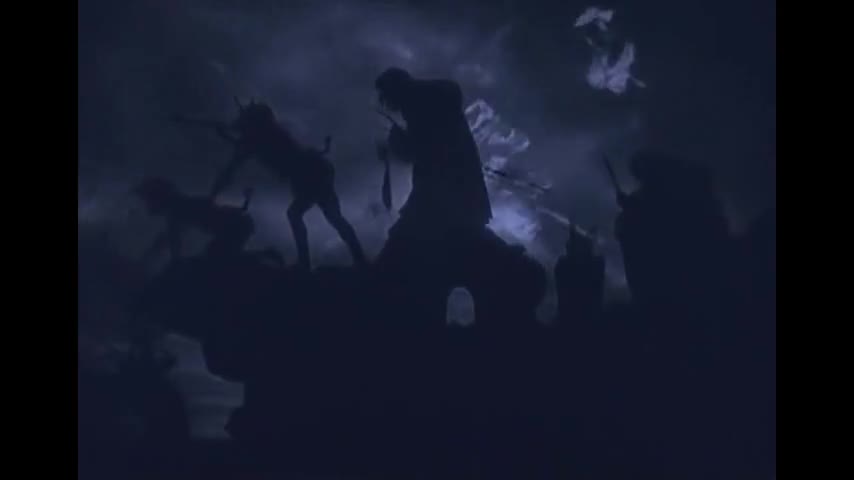
Christensen shot this as a direct illustration of real interrogation transcripts -- the intertitle quotes an actual confession about flying to Blockula on a neighbor's broom. Equal parts silent horror film and lecture on medieval psychiatry, it was banned outright in the US for years and remains one of the most explicit silent films ever made about what accused witches were tortured into "confessing."Christensen shot this as a direct illustration of real interrogation transcripts -- the intertitle quotes an actual confession about flying to Blockula on a neighbor's broom. Equal parts silent horror film and lecture on medieval psychiatry, it was banned outright in the US for years and remains one of the most explicit silent films ever made about what accused witches were tortured into "confessing."
Benjamin Christensen — Sweden / Denmark — Horror / Documentary-Fantasy
Flight to Brocken
Christensen shot this as a direct illustration of real interrogation transcripts -- the intertitle quotes an actual confession about flying to Blockula on a neighbor's broom. Equal parts silent horror film and lecture on medieval psychiatry, it was banned outright in the US for years and remains one of the most explicit silent films ever made about what accused witches were tortured into "confessing."
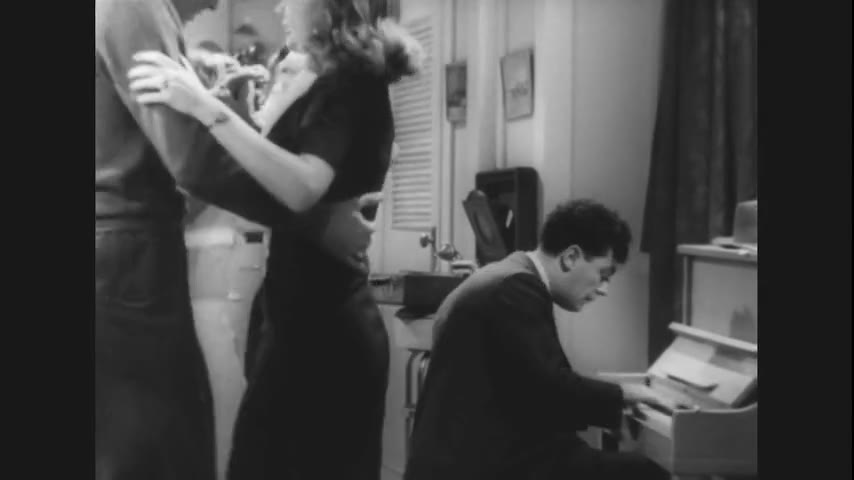
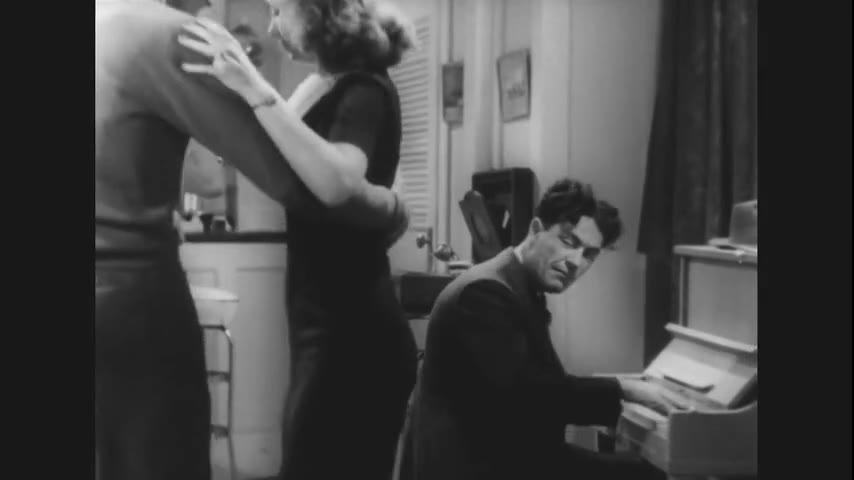
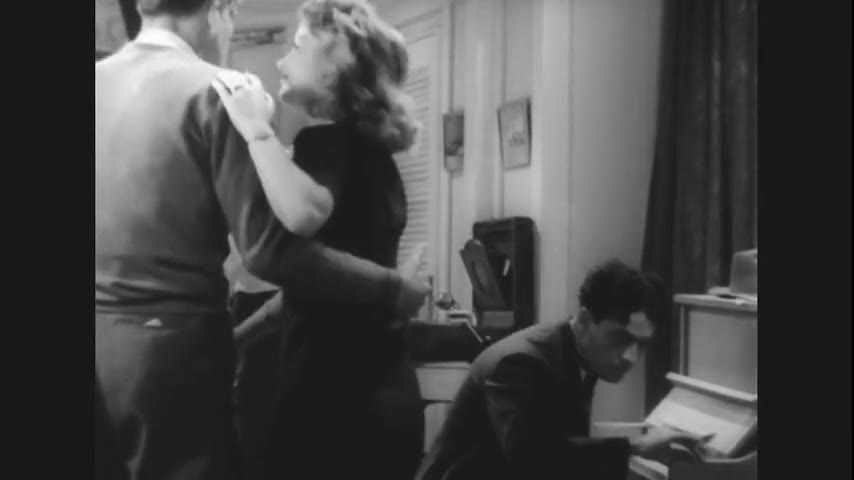
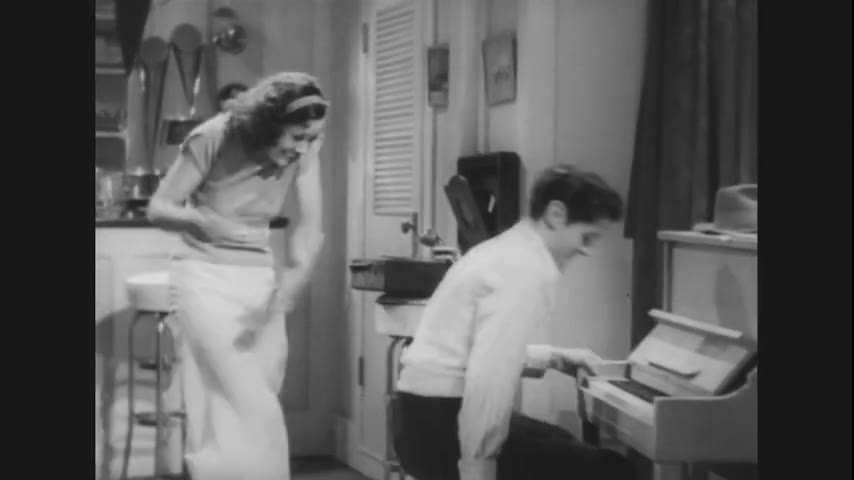
Financed by a church group as a straight-faced morality tale, this scene is the reason the film survives at all: decades after its warnings stopped scaring anyone, midnight-movie and college audiences of the 1970s embraced it as unintentional comedy, and it's been in constant circulation ever since. The propaganda failed completely; the piano scene became immortal anyway.Financed by a church group as a straight-faced morality tale, this scene is the reason the film survives at all: decades after its warnings stopped scaring anyone, midnight-movie and college audiences of the 1970s embraced it as unintentional comedy, and it's been in constant circulation ever since. The propaganda failed completely; the piano scene became immortal anyway.
Financed by a church group as a straight-faced morality tale, this scene is the reason the film survives at all: decades after its warnings stopped scaring anyone, midnight-movie and college audiences of the 1970s embraced it as unintentional comedy, and it's been in constant circulation ever since. The propaganda failed completely; the piano scene became immortal anyway.
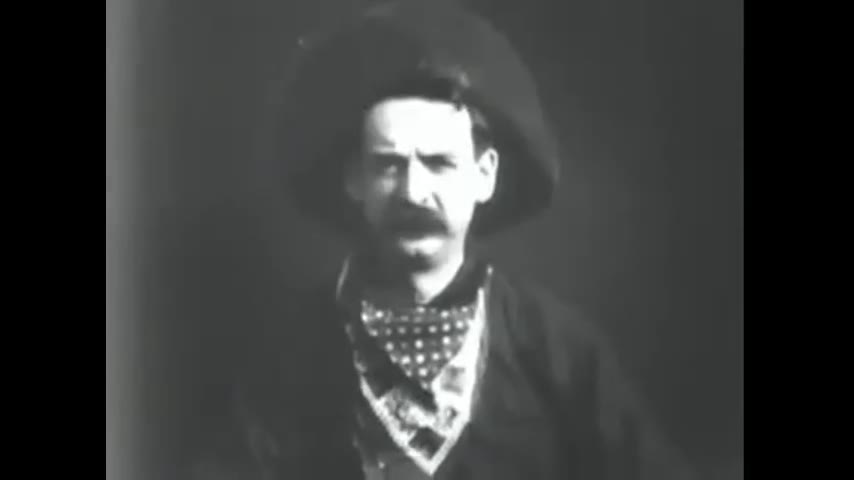
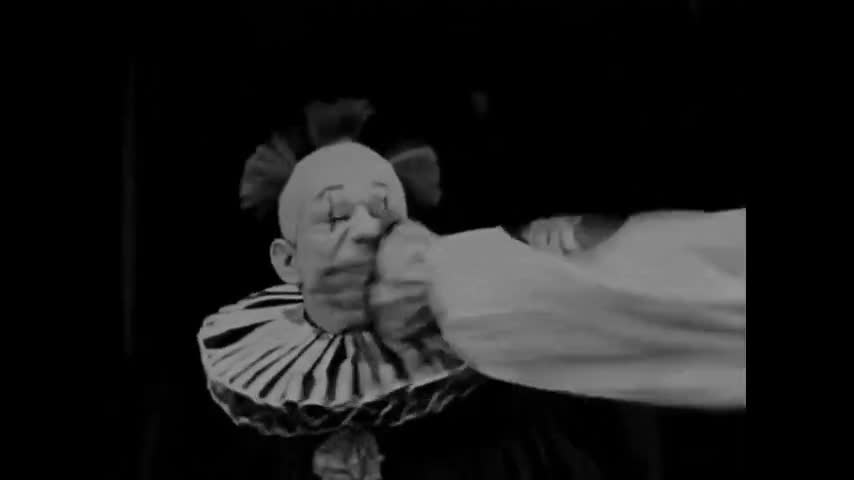
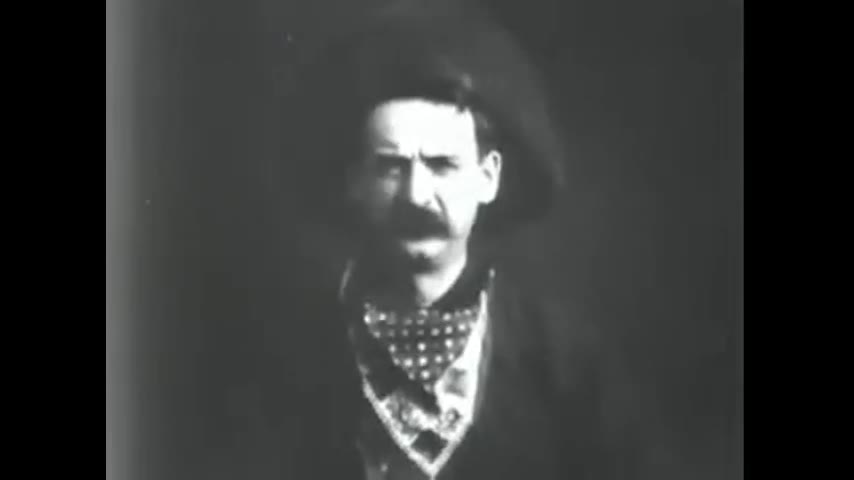
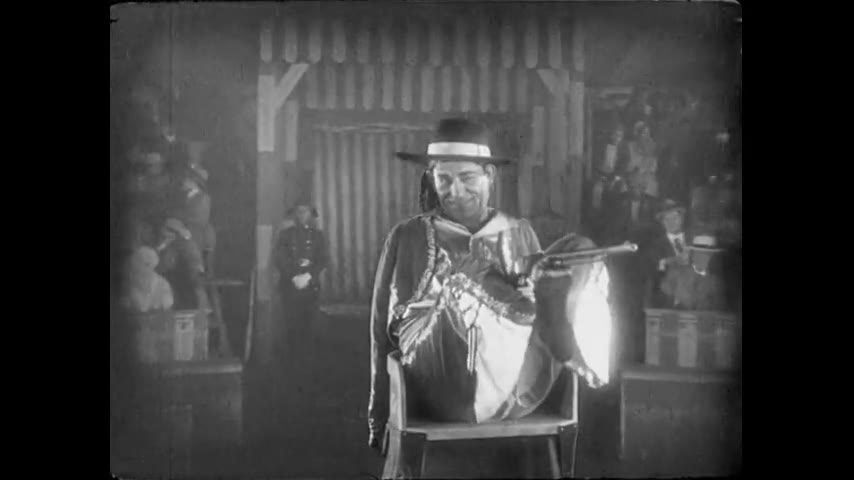
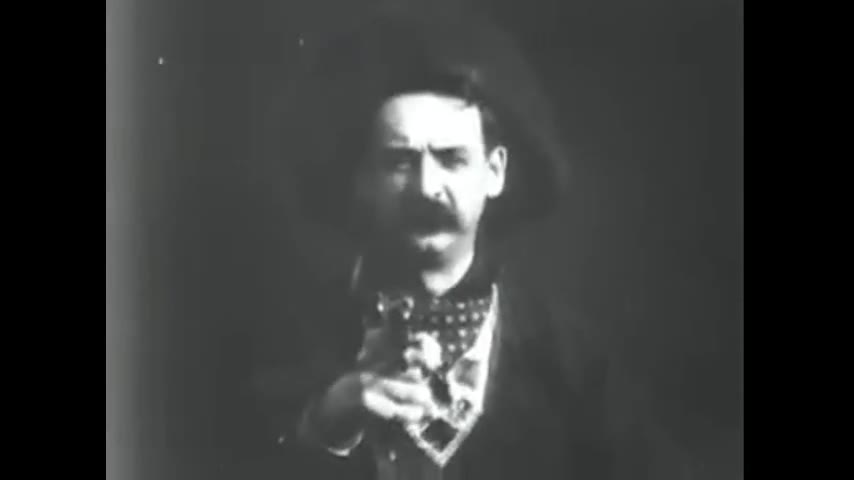
Exhibitors could splice this shot at the start of the reel or the end, and many chose the end so the film closed on it -- 1903 audiences reportedly screamed or ducked, since no one had ever been aimed at by a movie before. It's the moment film editing discovered it could touch the viewer, not just show them something, and it kicked off the Western as a genre in the same twelve minutes.Exhibitors could splice this shot at the start of the reel or the end, and many chose the end so the film closed on it -- 1903 audiences reportedly screamed or ducked, since no one had ever been aimed at by a movie before. It's the moment film editing discovered it could touch the viewer, not just show them something, and it kicked off the Western as a genre in the same twelve minutes.
Exhibitors could splice this shot at the start of the reel or the end, and many chose the end so the film closed on it -- 1903 audiences reportedly screamed or ducked, since no one had ever been aimed at by a movie before. It's the moment film editing discovered it could touch the viewer, not just show them something, and it kicked off the Western as a genre in the same twelve minutes.
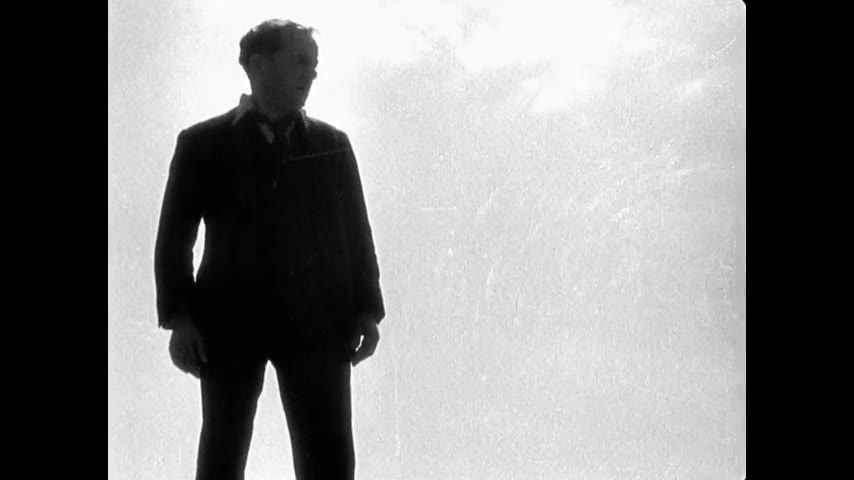
Shot in about six days for roughly $20,000 by a Poverty Row studio, Detour turns its own cheapness into style -- fog, shadow, and a murder the hero insists was just bad luck. Al narrates the whole film as a man fate keeps tripping, and this scene is the moment the audience has to decide whether to believe him. It's since been restored by the Academy Film Archive and inducted into the National Film Registry.Shot in about six days for roughly $20,000 by a Poverty Row studio, Detour turns its own cheapness into style -- fog, shadow, and a murder the hero insists was just bad luck. Al narrates the whole film as a man fate keeps tripping, and this scene is the moment the audience has to decide whether to believe him. It's since been restored by the Academy Film Archive and inducted into the National Film Registry.
Shot in about six days for roughly $20,000 by a Poverty Row studio, Detour turns its own cheapness into style -- fog, shadow, and a murder the hero insists was just bad luck. Al narrates the whole film as a man fate keeps tripping, and this scene is the moment the audience has to decide whether to believe him. It's since been restored by the Academy Film Archive and inducted into the National Film Registry.
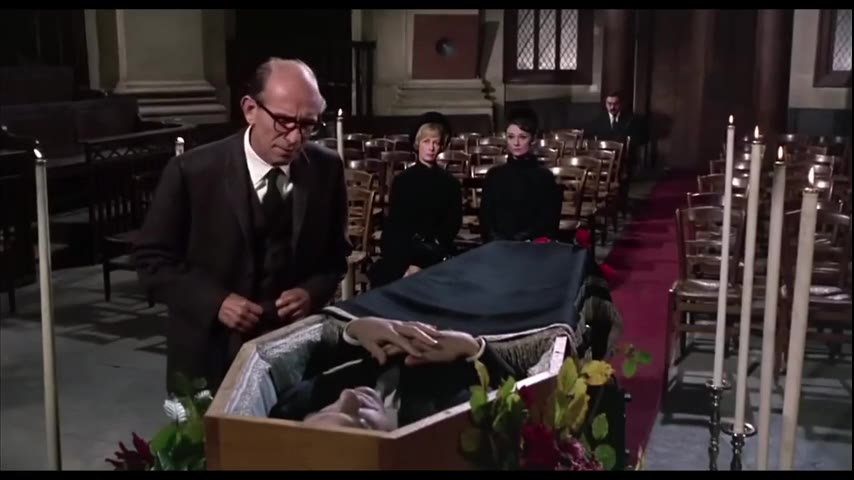
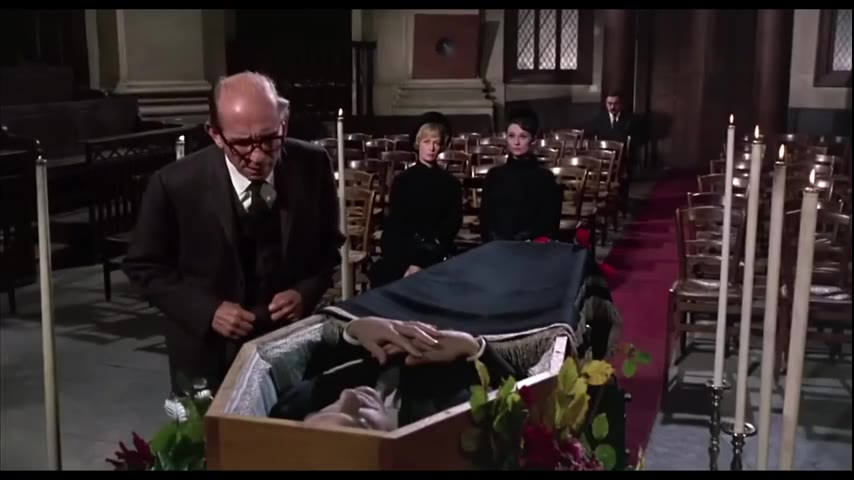
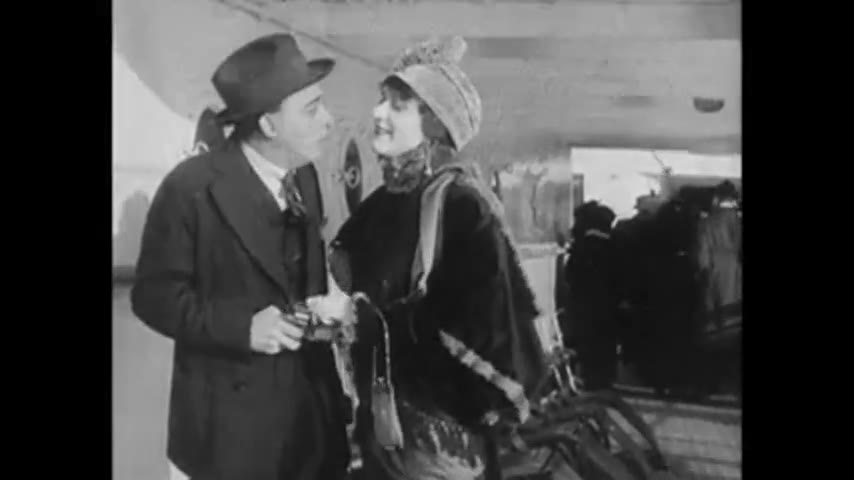
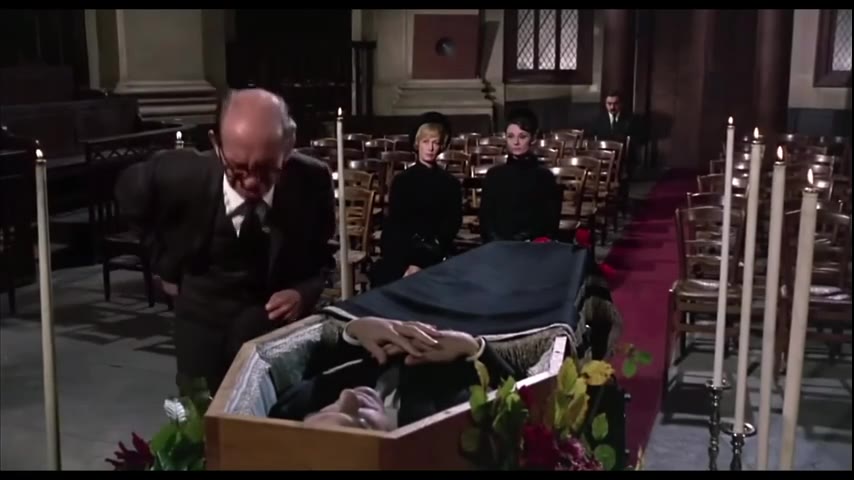
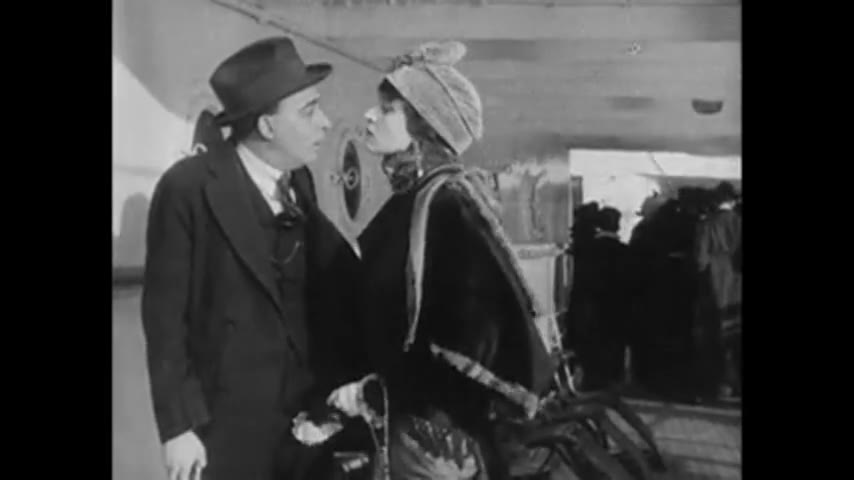
Cary Grant and Audrey Hepburn's glossy studio thriller opens its story with this scene played almost entirely for black comedy, which is the whole trick of Charade: it's routinely called the best Hitchcock movie Hitchcock never made, mixing real menace with genuine wit. Big stars, a major studio, and a real box-office hit -- and it landed in the public domain anyway, which surprises almost everyone who hears it.Cary Grant and Audrey Hepburn's glossy studio thriller opens its story with this scene played almost entirely for black comedy, which is the whole trick of Charade: it's routinely called the best Hitchcock movie Hitchcock never made, mixing real menace with genuine wit. Big stars, a major studio, and a real box-office hit -- and it landed in the public domain anyway, which surprises almost everyone who hears it.
Cary Grant and Audrey Hepburn's glossy studio thriller opens its story with this scene played almost entirely for black comedy, which is the whole trick of Charade: it's routinely called the best Hitchcock movie Hitchcock never made, mixing real menace with genuine wit. Big stars, a major studio, and a real box-office hit -- and it landed in the public domain anyway, which surprises almost everyone who hears it.
Lon Chaney kept his arms bound to his torso for months to play Alonzo convincingly, in a performance built entirely around a secret the plot keeps twisting: Alonzo isn't really armless, and that lie is what eventually drives him to demand actual, surgical self-mutilation later in the film. It's one of silent horror's most disturbing love stories, and one of the earliest films to give a young Joan Crawford real screen presence.Lon Chaney kept his arms bound to his torso for months to play Alonzo convincingly, in a performance built entirely around a secret the plot keeps twisting: Alonzo isn't really armless, and that lie is what eventually drives him to demand actual, surgical self-mutilation later in the film. It's one of silent horror's most disturbing love stories, and one of the earliest films to give a young Joan Crawford real screen presence.
Lon Chaney kept his arms bound to his torso for months to play Alonzo convincingly, in a performance built entirely around a secret the plot keeps twisting: Alonzo isn't really armless, and that lie is what eventually drives him to demand actual, surgical self-mutilation later in the film. It's one of silent horror's most disturbing love stories, and one of the earliest films to give a young Joan Crawford real screen presence.
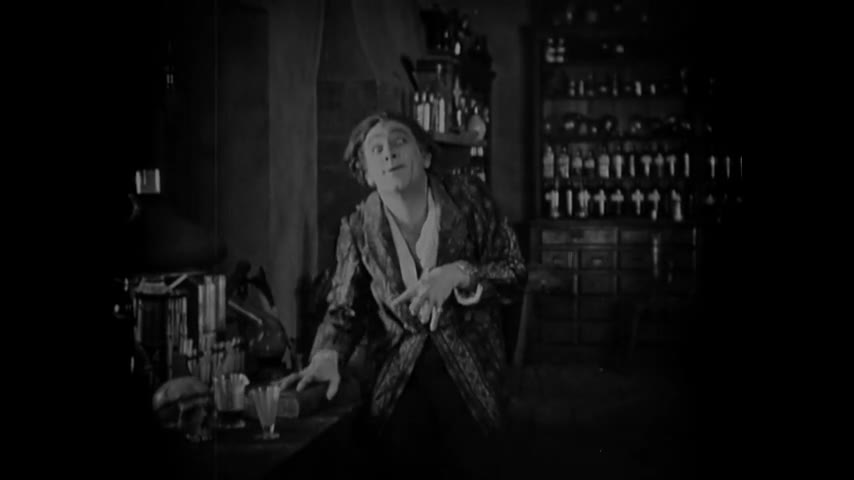
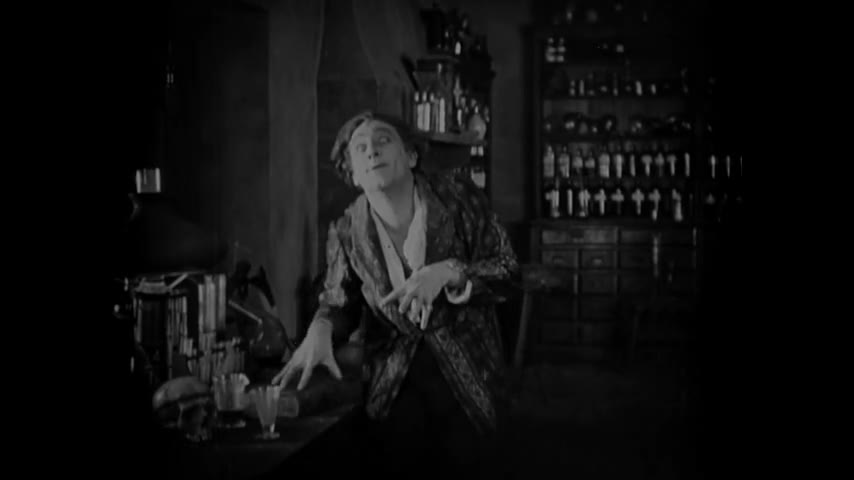
John Barrymore did his own first transformation with zero special effects, hunching and twisting his face into Hyde live in front of the camera; the makeup only got more elaborate in later scenes, once the character had further to fall. Often called the first great American horror film, it set the template every Jekyll-and-Hyde adaptation since has been measured against.John Barrymore did his own first transformation with zero special effects, hunching and twisting his face into Hyde live in front of the camera; the makeup only got more elaborate in later scenes, once the character had further to fall. Often called the first great American horror film, it set the template every Jekyll-and-Hyde adaptation since has been measured against.
John Barrymore did his own first transformation with zero special effects, hunching and twisting his face into Hyde live in front of the camera; the makeup only got more elaborate in later scenes, once the character had further to fall. Often called the first great American horror film, it set the template every Jekyll-and-Hyde adaptation since has been measured against.
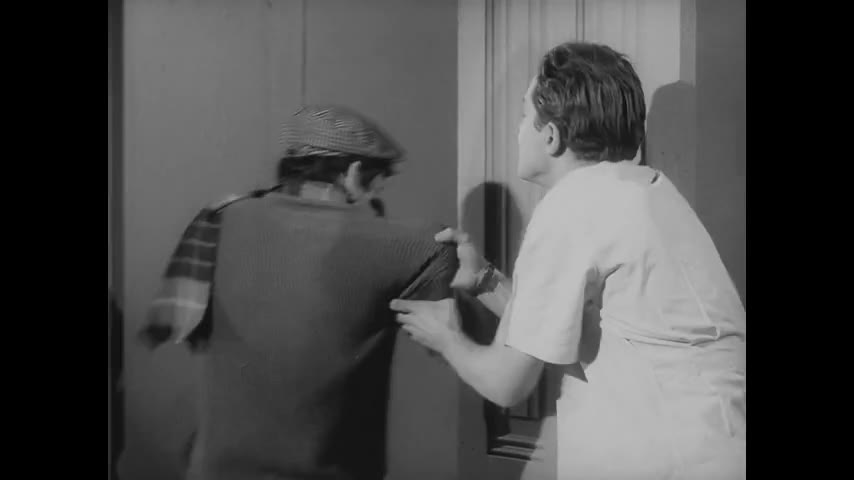
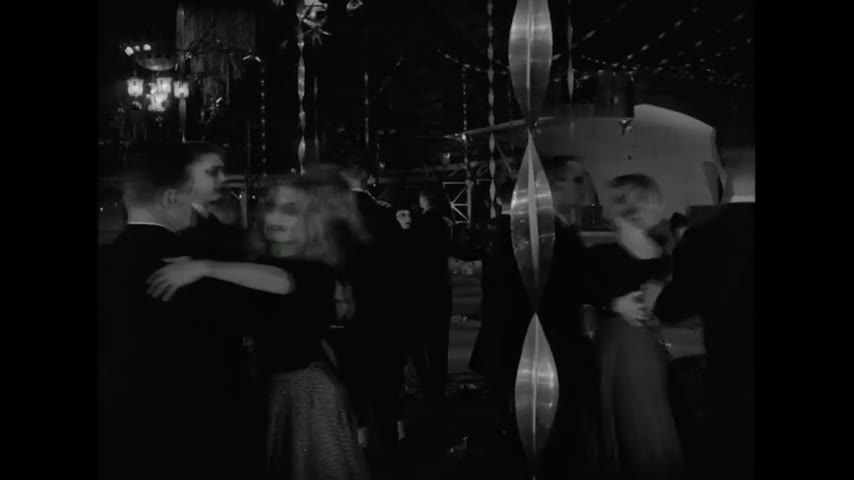
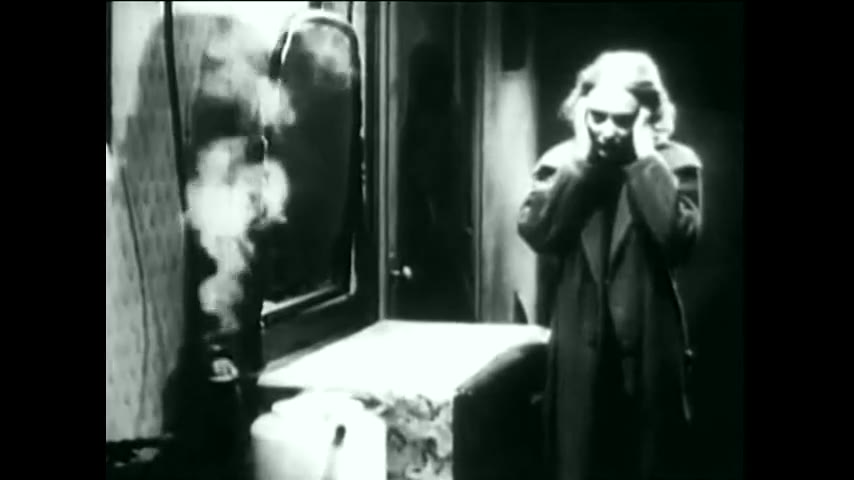
A remake of the 1928 silent The Pace That Kills, this is close to the direct template Reefer Madness copied a year later -- roadshow drug-scare pictures were their own little genre, shot cheap and fast for theaters that toured them town to town outside the regular studio system. It's melodrama, not medicine, but the panic it's selling became a genuine cultural template.A remake of the 1928 silent The Pace That Kills, this is close to the direct template Reefer Madness copied a year later -- roadshow drug-scare pictures were their own little genre, shot cheap and fast for theaters that toured them town to town outside the regular studio system. It's melodrama, not medicine, but the panic it's selling became a genuine cultural template.
A remake of the 1928 silent The Pace That Kills, this is close to the direct template Reefer Madness copied a year later -- roadshow drug-scare pictures were their own little genre, shot cheap and fast for theaters that toured them town to town outside the regular studio system. It's melodrama, not medicine, but the panic it's selling became a genuine cultural template.
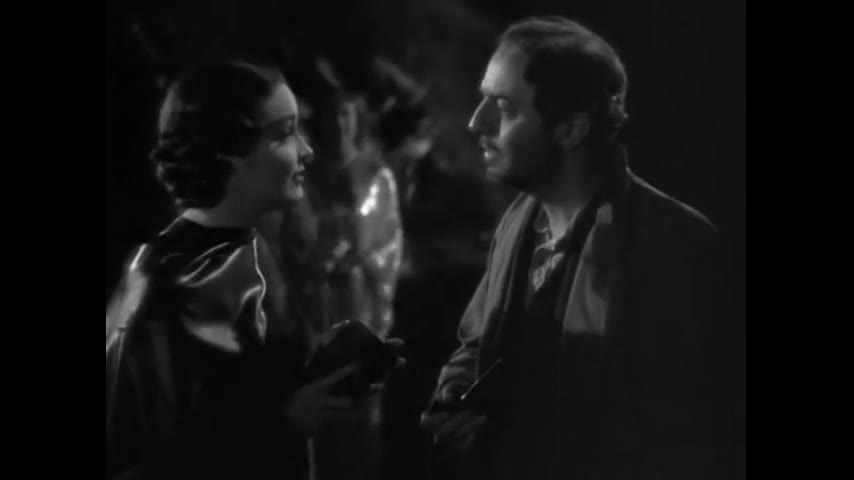
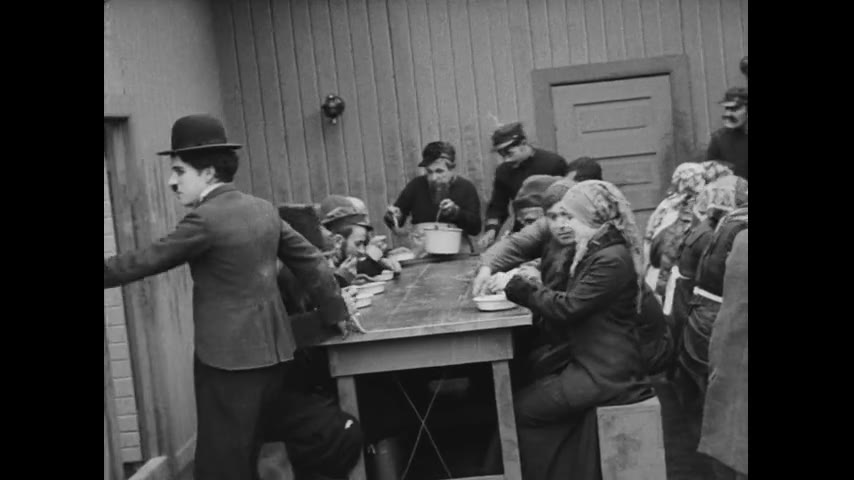
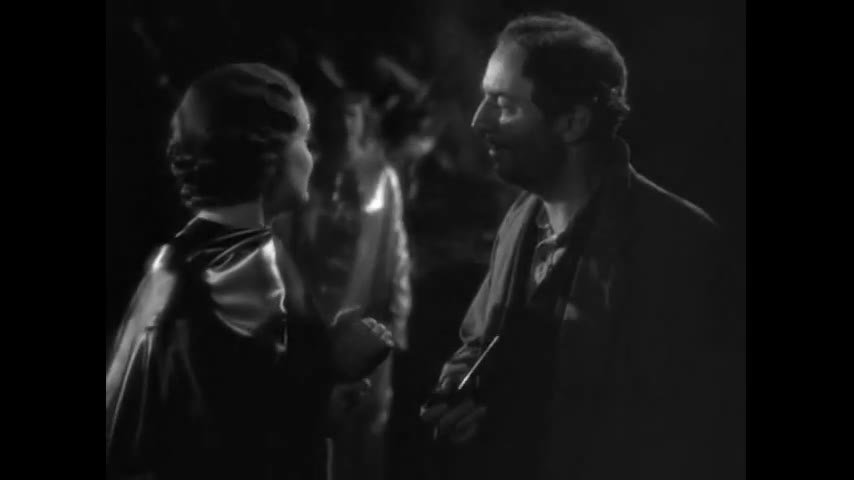
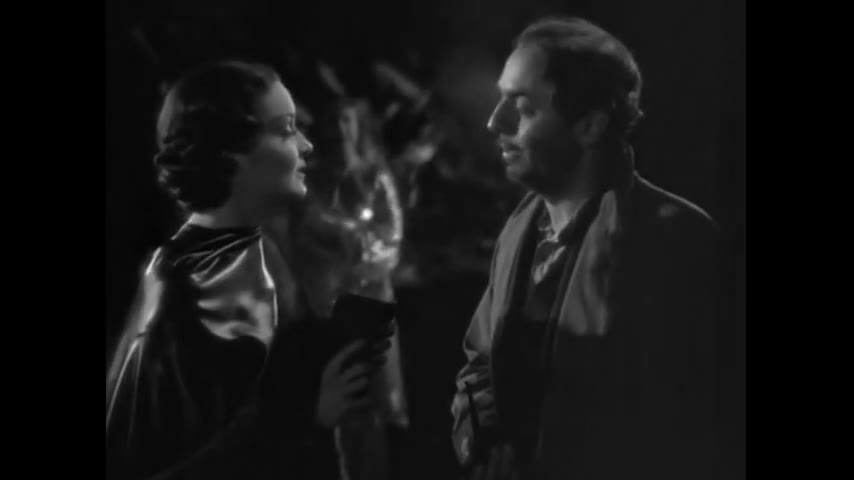
The joke -- rich people turning homeless men into a party game -- was sharp enough in 1936 that the film still reads as social commentary, not just farce, underneath the screwball banter. William Powell and Carole Lombard, married and divorced in real life by the time they made this together, have a chemistry the studio bet the whole picture on. It was nominated for six Oscars and lost every one, and is still one of the genre's high points.The joke -- rich people turning homeless men into a party game -- was sharp enough in 1936 that the film still reads as social commentary, not just farce, underneath the screwball banter. William Powell and Carole Lombard, married and divorced in real life by the time they made this together, have a chemistry the studio bet the whole picture on. It was nominated for six Oscars and lost every one, and is still one of the genre's high points.
The joke -- rich people turning homeless men into a party game -- was sharp enough in 1936 that the film still reads as social commentary, not just farce, underneath the screwball banter. William Powell and Carole Lombard, married and divorced in real life by the time they made this together, have a chemistry the studio bet the whole picture on. It was nominated for six Oscars and lost every one, and is still one of the genre's high points.
Pabst cast an American unknown, Louise Brooks, over every established German star being considered, and her performance as Lulu -- pure appetite, no shame about it, destroyed by a world that punishes women for exactly that -- is still the reason the film is discussed today. This closing scene identifies her killer only by implication; German censors of the era wouldn't allow his name spoken outright, but everyone in 1929 knew exactly who was in the room with her.Pabst cast an American unknown, Louise Brooks, over every established German star being considered, and her performance as Lulu -- pure appetite, no shame about it, destroyed by a world that punishes women for exactly that -- is still the reason the film is discussed today. This closing scene identifies her killer only by implication; German censors of the era wouldn't allow his name spoken outright, but everyone in 1929 knew exactly who was in the room with her.
Pabst cast an American unknown, Louise Brooks, over every established German star being considered, and her performance as Lulu -- pure appetite, no shame about it, destroyed by a world that punishes women for exactly that -- is still the reason the film is discussed today. This closing scene identifies her killer only by implication; German censors of the era wouldn't allow his name spoken outright, but everyone in 1929 knew exactly who was in the room with her.
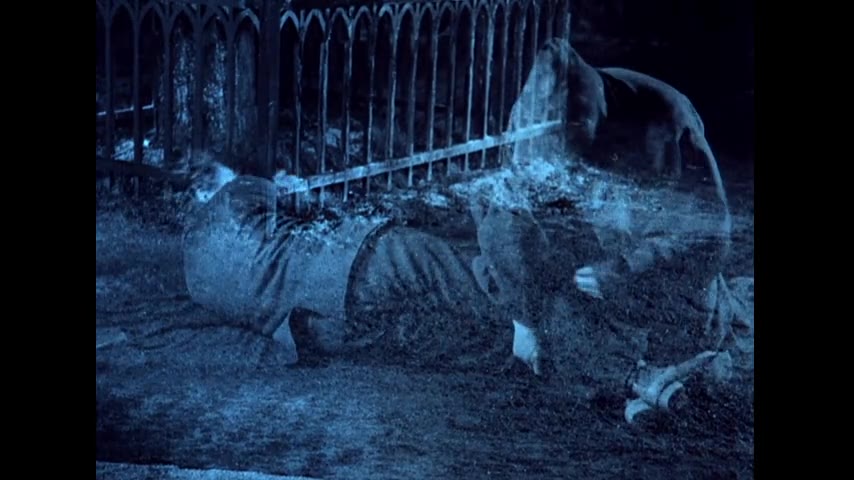
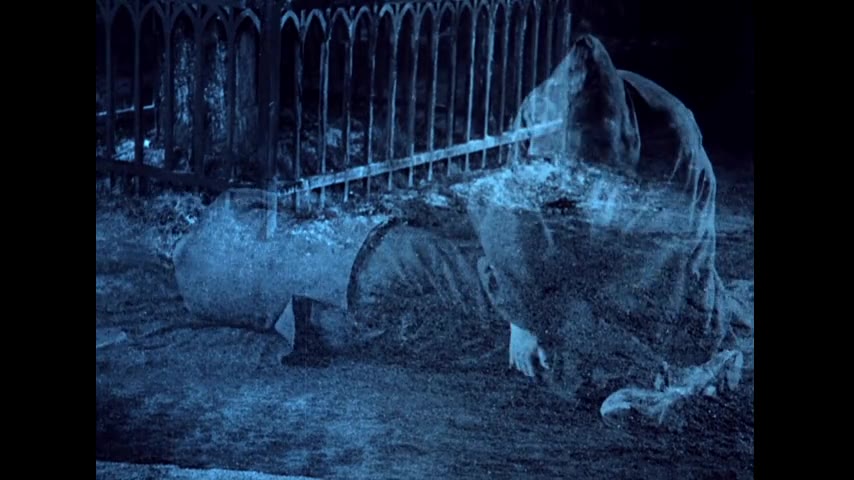
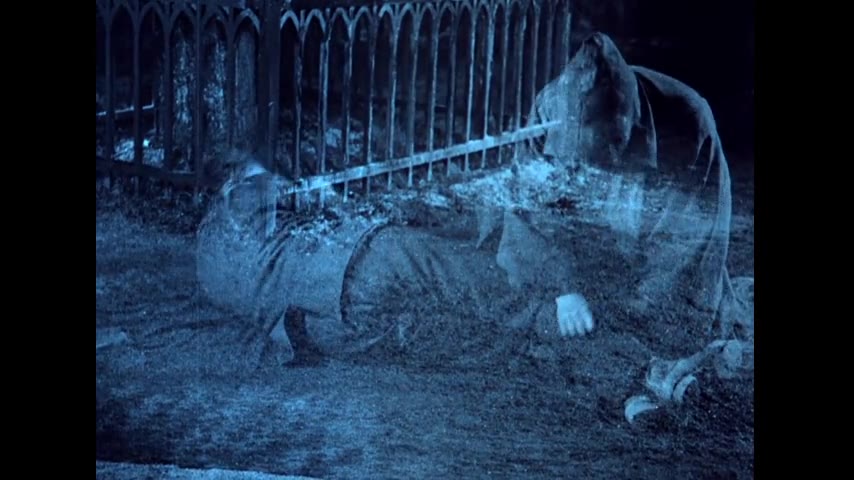
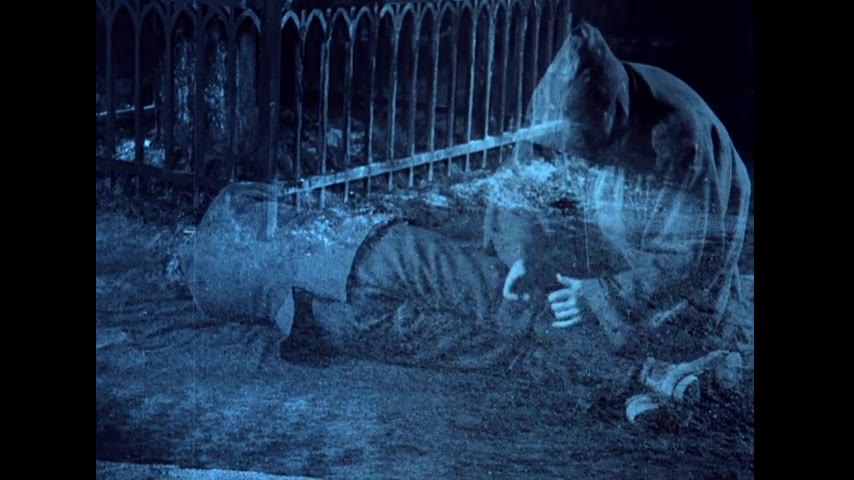
Sjöström shot the same footage twice and combined it in-camera to get this translucent, layered ghost effect -- no opticals, no lab tricks available yet in 1921, just precise double exposure. Ingmar Bergman called it one of the films that made him want to make films at all, and screened it every year on his birthday for most of his life; the hooded Death figure here is a direct ancestor of Bergman's own in The Seventh Seal.Sjöström shot the same footage twice and combined it in-camera to get this translucent, layered ghost effect -- no opticals, no lab tricks available yet in 1921, just precise double exposure. Ingmar Bergman called it one of the films that made him want to make films at all, and screened it every year on his birthday for most of his life; the hooded Death figure here is a direct ancestor of Bergman's own in The Seventh Seal.
Sjöström shot the same footage twice and combined it in-camera to get this translucent, layered ghost effect -- no opticals, no lab tricks available yet in 1921, just precise double exposure. Ingmar Bergman called it one of the films that made him want to make films at all, and screened it every year on his birthday for most of his life; the hooded Death figure here is a direct ancestor of Bergman's own in The Seventh Seal.
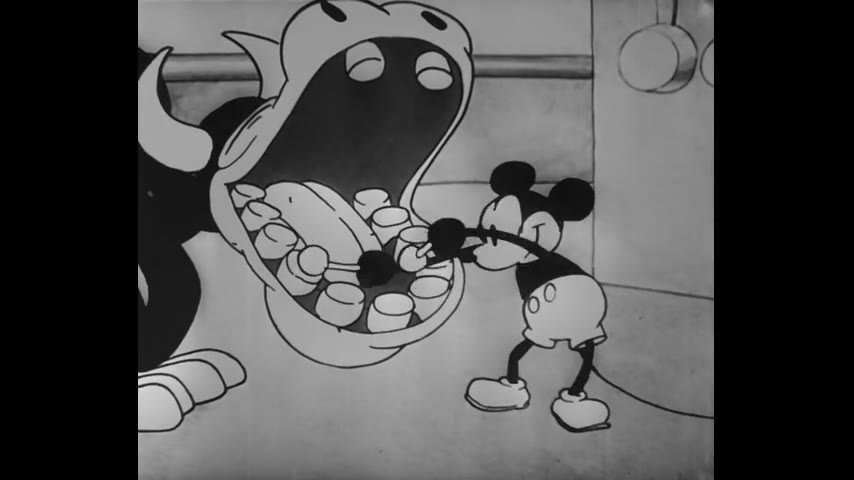
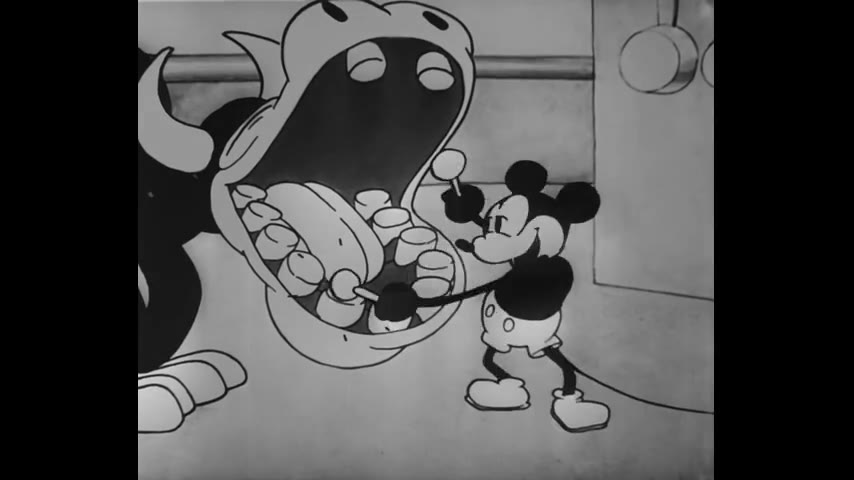
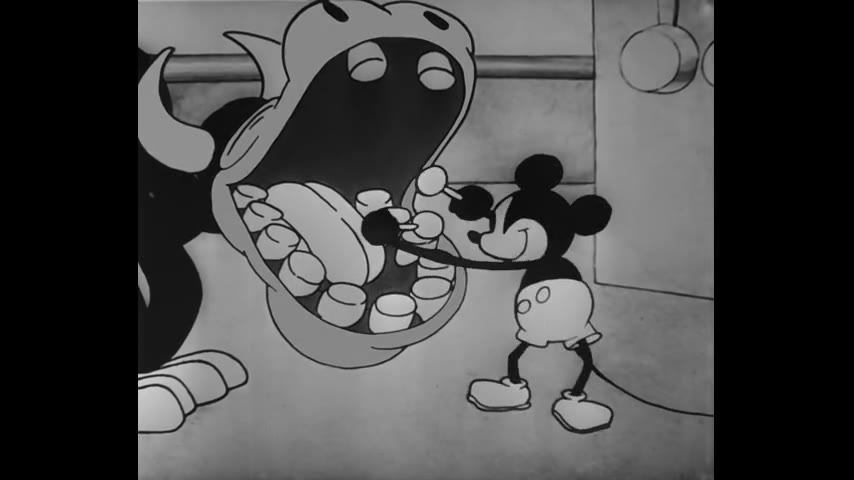
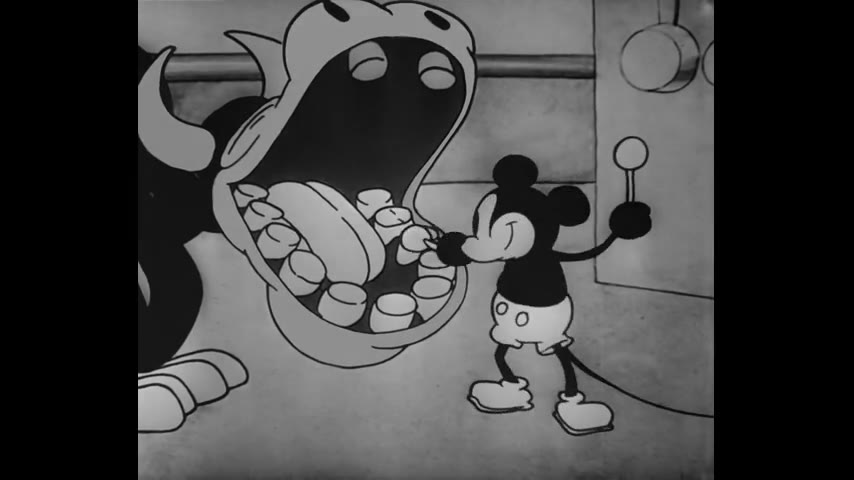
Steamboat Willie wasn't Mickey's first cartoon, but it was the first released with synchronized sound, and the one that made him a star. On January 1, 2024, its copyright expired after exactly 95 years -- one of the most publicized public domain days ever, with news outlets worldwide covering the moment this specific film, and only this one, became free to use.Steamboat Willie wasn't Mickey's first cartoon, but it was the first released with synchronized sound, and the one that made him a star. On January 1, 2024, its copyright expired after exactly 95 years -- one of the most publicized public domain days ever, with news outlets worldwide covering the moment this specific film, and only this one, became free to use.
Walt Disney, Ub Iwerks — USA — Animated Short / Comedy
The cow's-teeth xylophone
Steamboat Willie wasn't Mickey's first cartoon, but it was the first released with synchronized sound, and the one that made him a star. On January 1, 2024, its copyright expired after exactly 95 years -- one of the most publicized public domain days ever, with news outlets worldwide covering the moment this specific film, and only this one, became free to use.
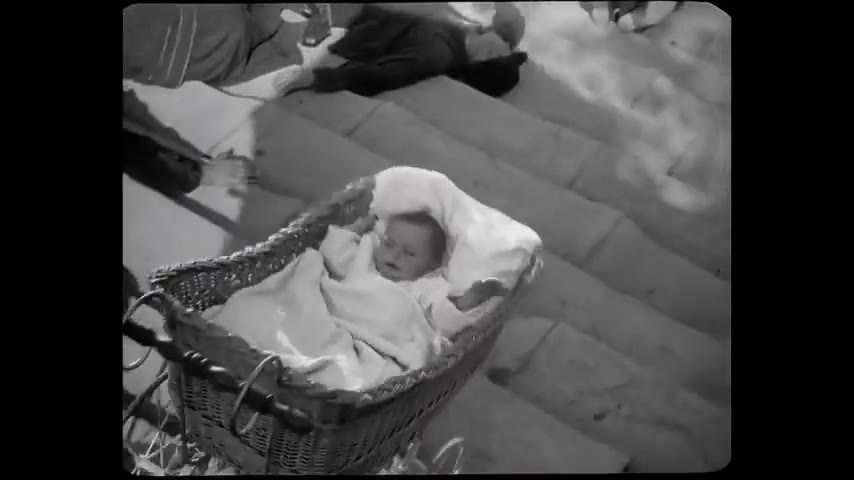
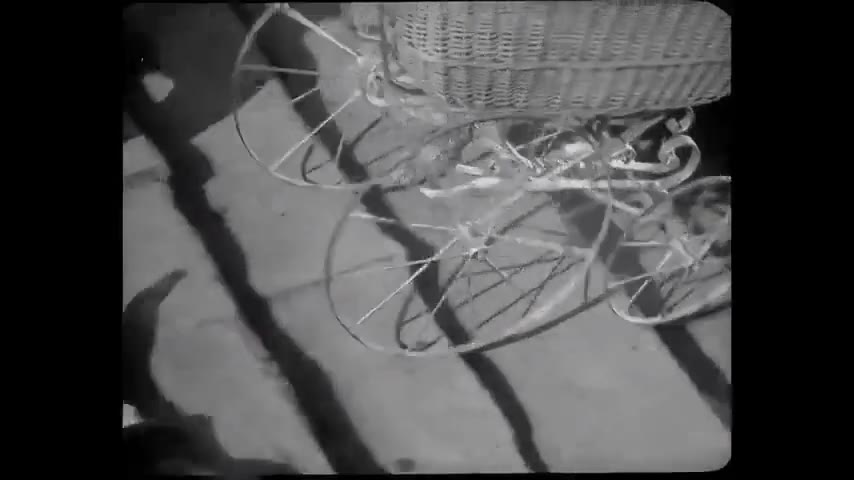
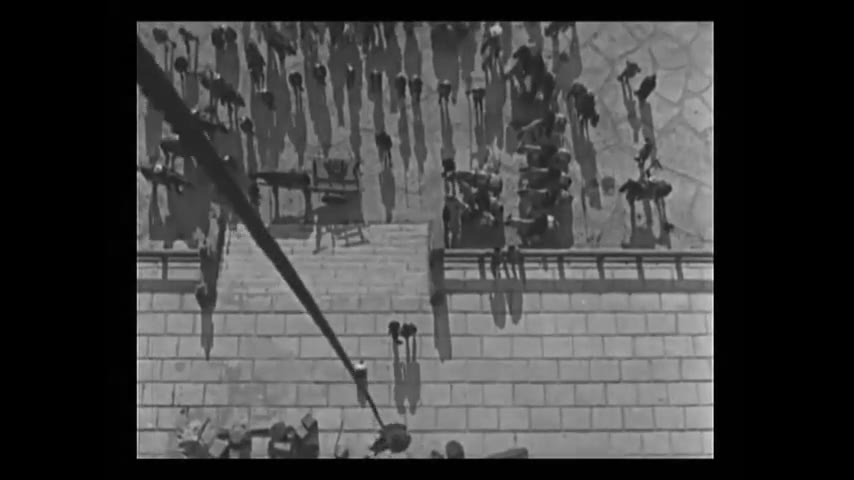
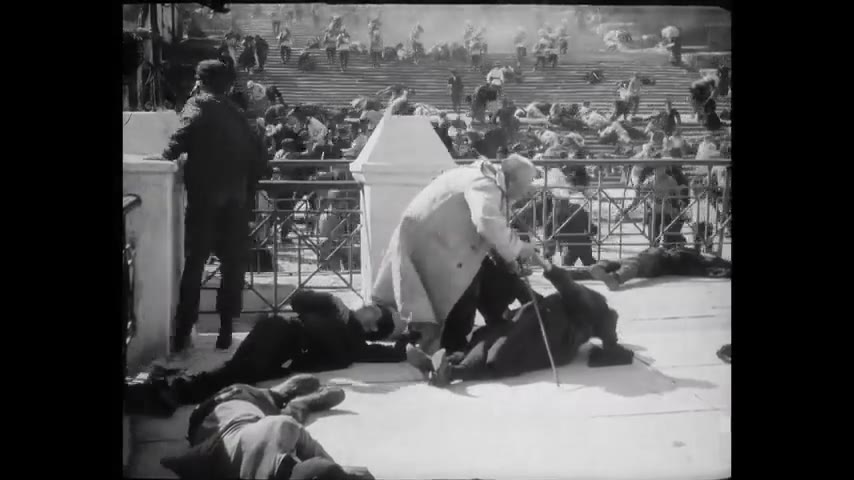
The massacre on the steps never actually happened -- Eisenstein invented it for the film -- but the sequence's editing rhythm is so influential it's taught in nearly every film school on earth, and its unattended-carriage-rolling-downstairs image has been directly restaged in everything from The Untouchables to Naked Gun 33 1/3. Montage editing as a technique essentially starts here.The massacre on the steps never actually happened -- Eisenstein invented it for the film -- but the sequence's editing rhythm is so influential it's taught in nearly every film school on earth, and its unattended-carriage-rolling-downstairs image has been directly restaged in everything from The Untouchables to Naked Gun 33 1/3. Montage editing as a technique essentially starts here.
Sergei Eisenstein — Soviet Union — War / Historical Drama
The Odessa Steps
The massacre on the steps never actually happened -- Eisenstein invented it for the film -- but the sequence's editing rhythm is so influential it's taught in nearly every film school on earth, and its unattended-carriage-rolling-downstairs image has been directly restaged in everything from The Untouchables to Naked Gun 33 1/3. Montage editing as a technique essentially starts here.
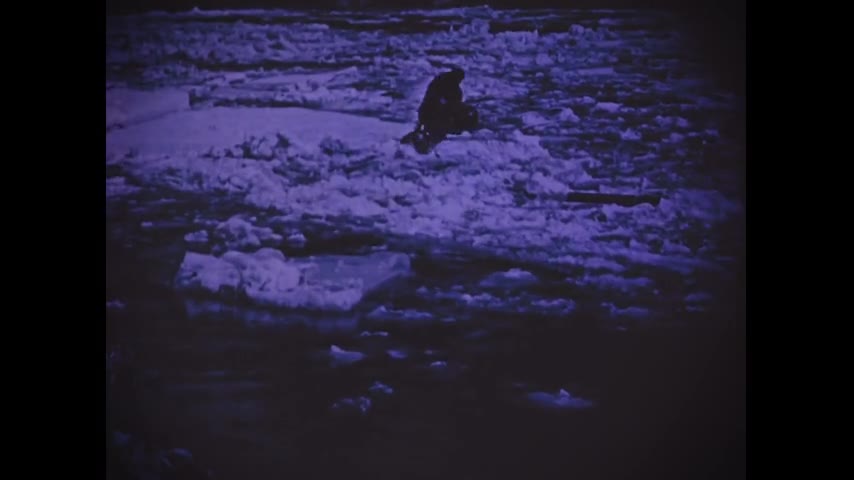
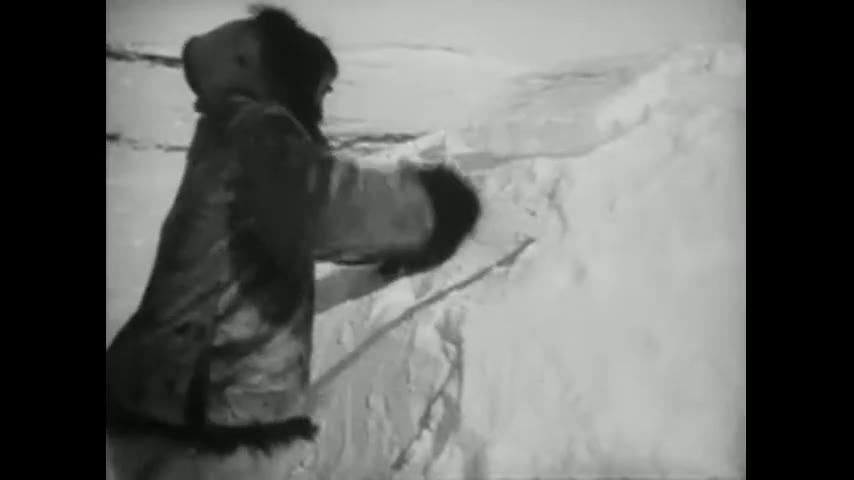
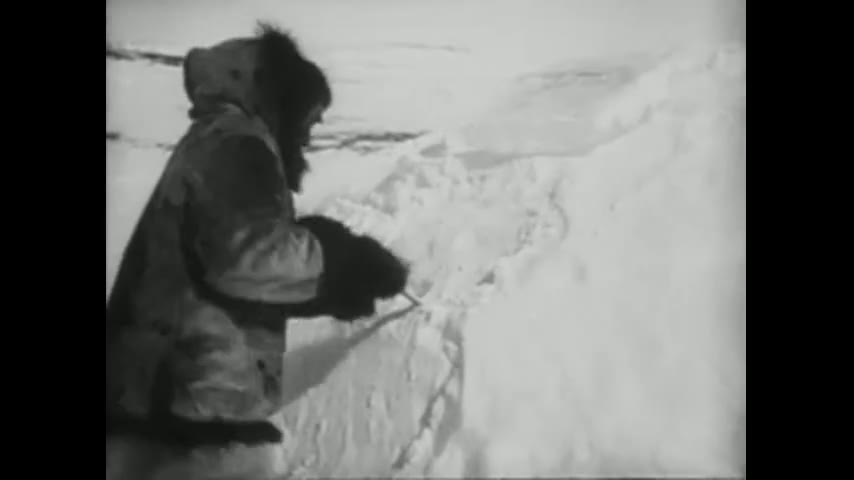
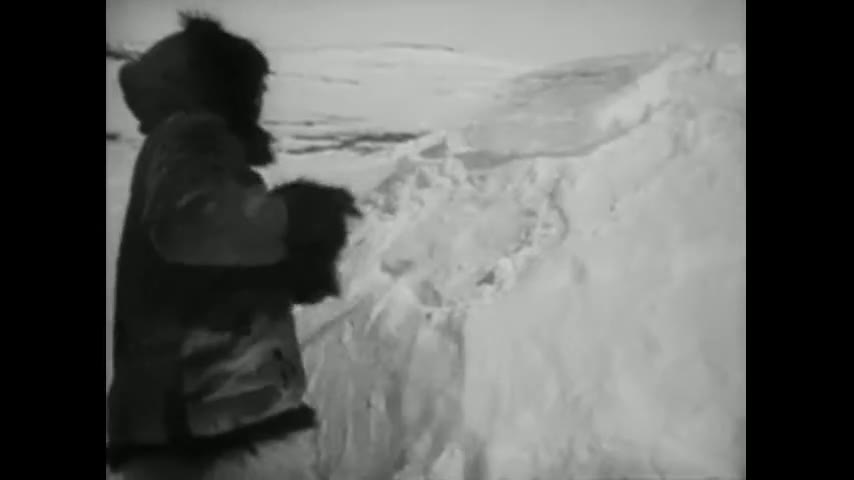
Widely credited as the first commercially successful feature-length documentary, though 'documentary' undersells how staged it was: the man billed as Nanook was really Allakariallak, some of the hunting techniques shown had already been abandoned in favor of rifles, and Flaherty had his cast re-enact a version of traditional life for the camera. It's still one of the founding arguments in an argument documentary filmmaking has never fully settled -- how much reconstruction a 'true' record can contain.Widely credited as the first commercially successful feature-length documentary, though 'documentary' undersells how staged it was: the man billed as Nanook was really Allakariallak, some of the hunting techniques shown had already been abandoned in favor of rifles, and Flaherty had his cast re-enact a version of traditional life for the camera. It's still one of the founding arguments in an argument documentary filmmaking has never fully settled -- how much reconstruction a 'true' record can contain.
Widely credited as the first commercially successful feature-length documentary, though 'documentary' undersells how staged it was: the man billed as Nanook was really Allakariallak, some of the hunting techniques shown had already been abandoned in favor of rifles, and Flaherty had his cast re-enact a version of traditional life for the camera. It's still one of the founding arguments in an argument documentary filmmaking has never fully settled -- how much reconstruction a 'true' record can contain.
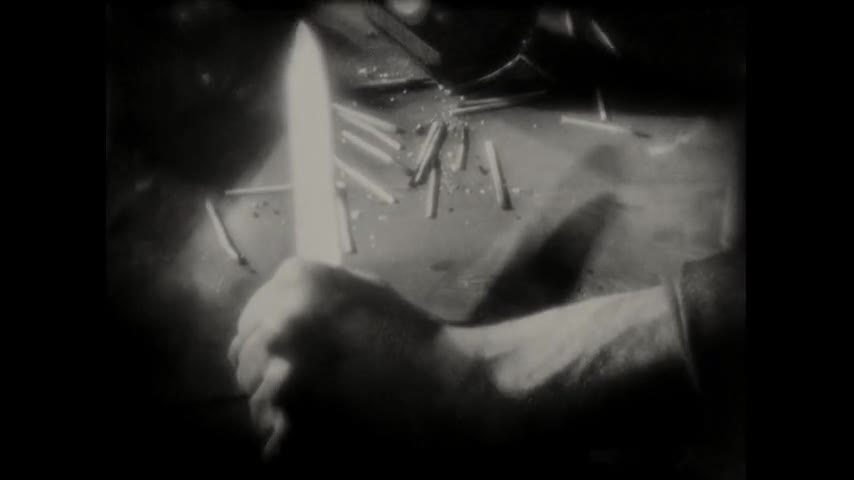
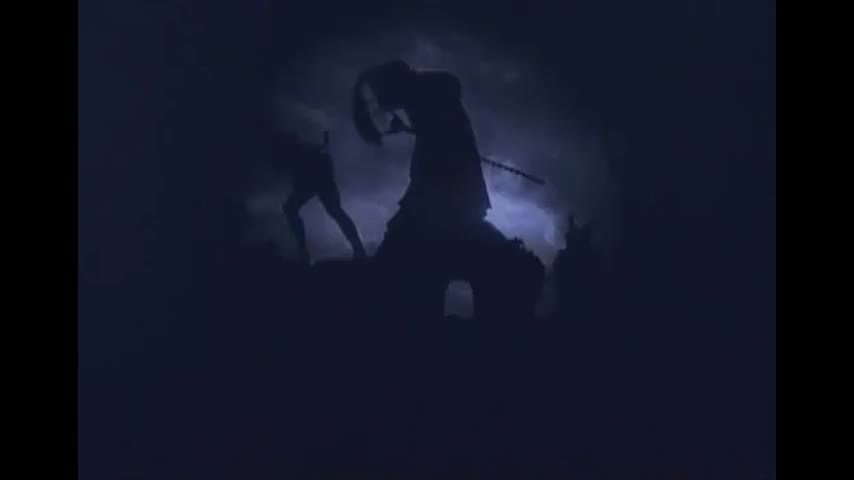
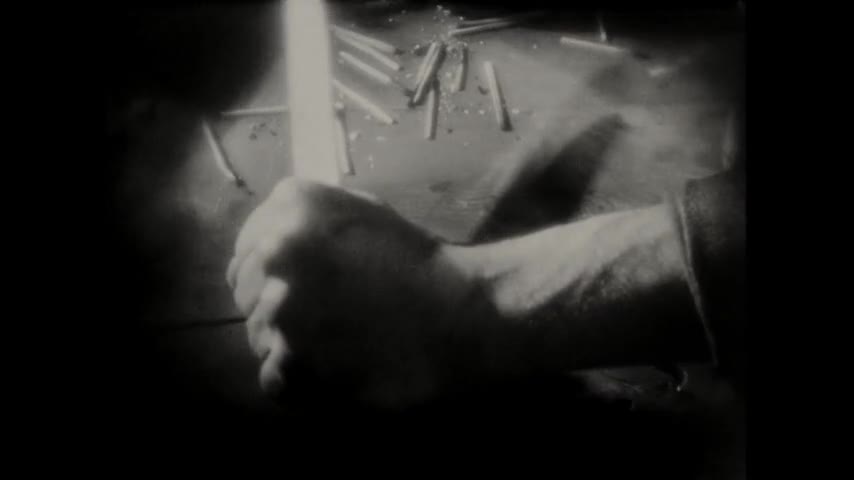
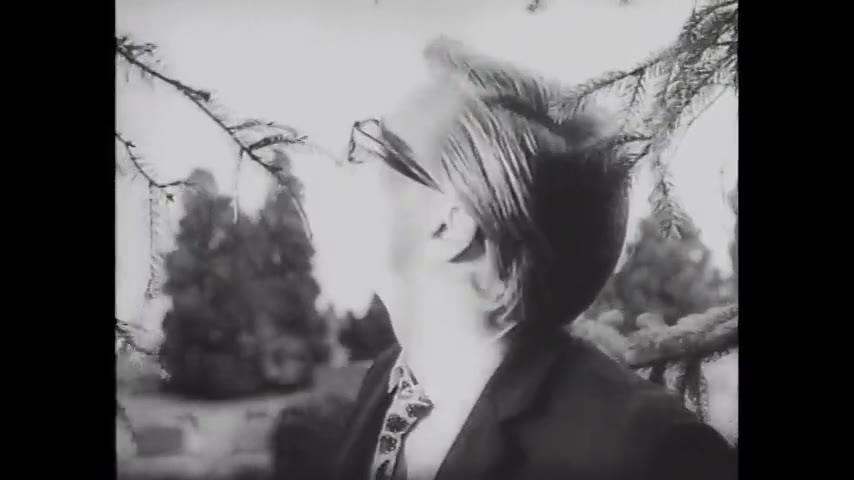
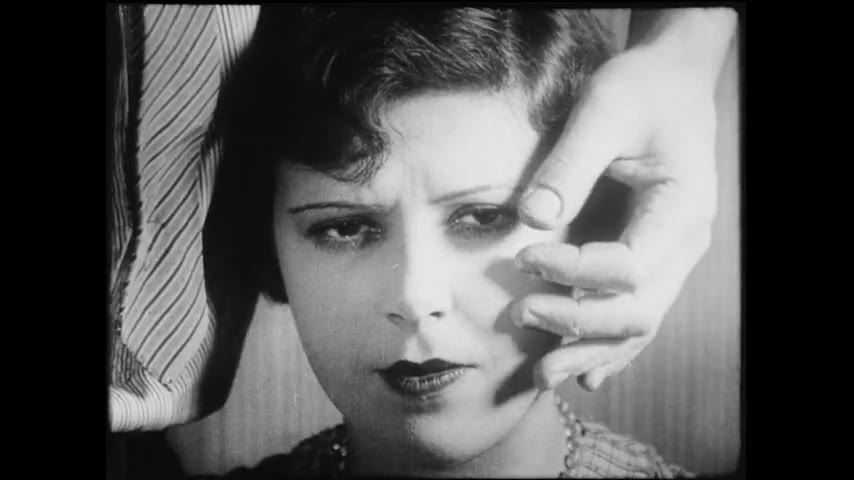
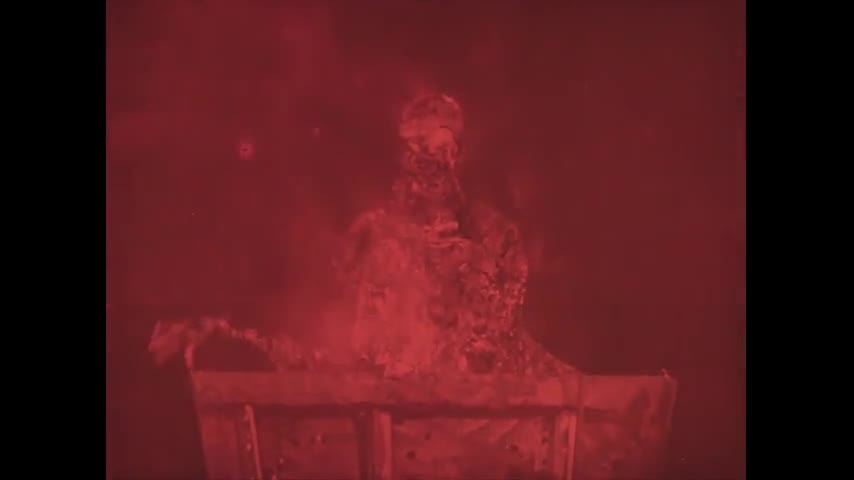
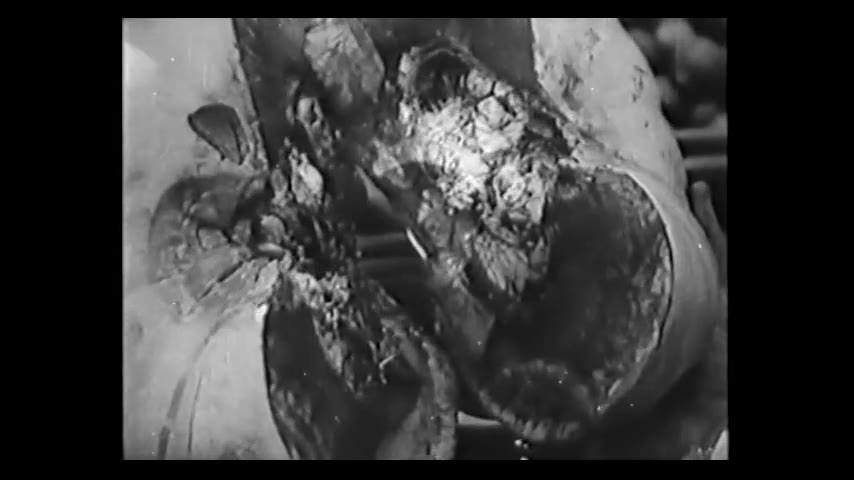
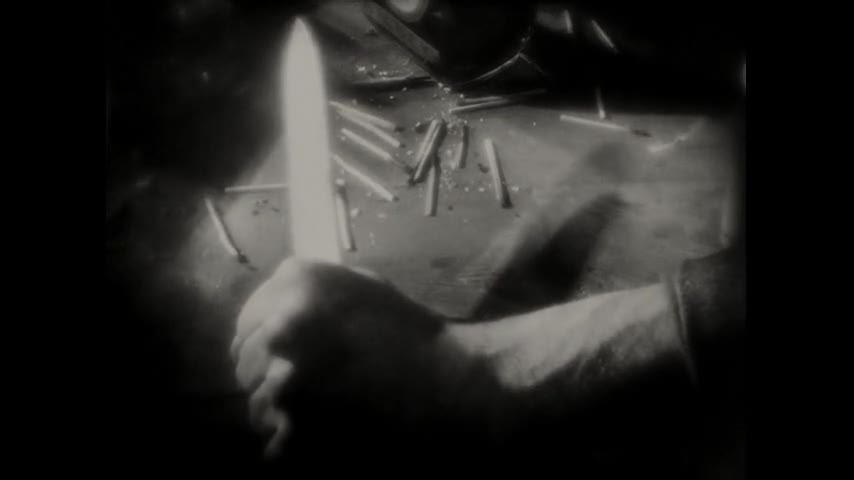
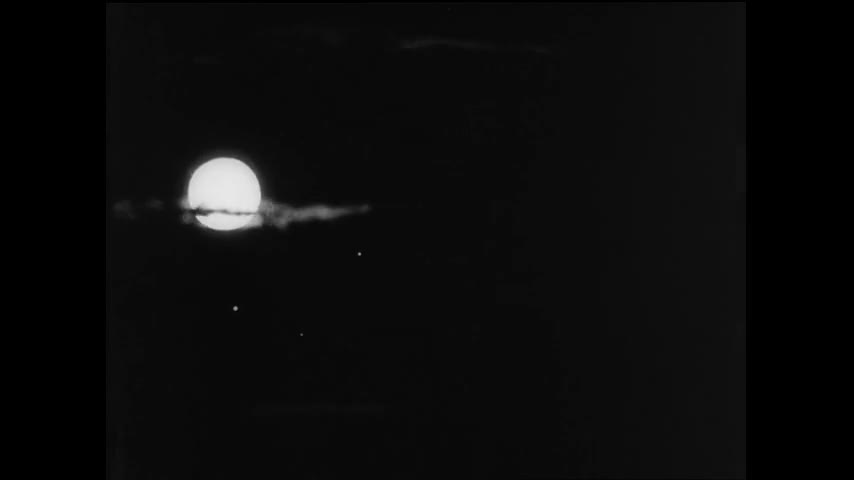
A 16-minute collaboration between Luis Buñuel and Salvador Dalí, built from dream logic rather than plot -- ants crawling from a hand, a severed hand in the street, a man dragging two grand pianos loaded with dead donkeys. None of it outlasted the opening image: a straight razor drawn across an open eye, cut together with a cloud slicing the moon so the audience's mind does the cutting for it. (The eye belonged to a calf, not the actress -- a substitution convincing enough that it's still routinely mistaken for real.) It became the founding text of surrealist cinema and one of the most analyzed sixteen minutes in film history.A 16-minute collaboration between Luis Buñuel and Salvador Dalí, built from dream logic rather than plot -- ants crawling from a hand, a severed hand in the street, a man dragging two grand pianos loaded with dead donkeys. None of it outlasted the opening image: a straight razor drawn across an open eye, cut together with a cloud slicing the moon so the audience's mind does the cutting for it. (The eye belonged to a calf, not the actress -- a substitution convincing enough that it's still routinely mistaken for real.) It became the founding text of surrealist cinema and one of the most analyzed sixteen minutes in film history.
A 16-minute collaboration between Luis Buñuel and Salvador Dalí, built from dream logic rather than plot -- ants crawling from a hand, a severed hand in the street, a man dragging two grand pianos loaded with dead donkeys. None of it outlasted the opening image: a straight razor drawn across an open eye, cut together with a cloud slicing the moon so the audience's mind does the cutting for it. (The eye belonged to a calf, not the actress -- a substitution convincing enough that it's still routinely mistaken for real.) It became the founding text of surrealist cinema and one of the most analyzed sixteen minutes in film history.
Dwain Esper built a career selling lurid B-pictures as public-health warnings, padding each one with fake “educational” title cards on mental illness to dodge obscenity laws while delivering exactly the shock content the cards claimed to warn against. Maniac -- a barely-coherent riff on Poe's “The Black Cat” and “Murders in the Rue Morgue” -- is the most notorious example: a deranged Maxwell, hiding inside the identity of the mad scientist he murdered, catches a cat and eats its eye. Film historians generally agree the eye was a rigged prop rather than a real animal's, but the scene became exploitation cinema's most cited party trick regardless.Dwain Esper built a career selling lurid B-pictures as public-health warnings, padding each one with fake “educational” title cards on mental illness to dodge obscenity laws while delivering exactly the shock content the cards claimed to warn against. Maniac -- a barely-coherent riff on Poe's “The Black Cat” and “Murders in the Rue Morgue” -- is the most notorious example: a deranged Maxwell, hiding inside the identity of the mad scientist he murdered, catches a cat and eats its eye. Film historians generally agree the eye was a rigged prop rather than a real animal's, but the scene became exploitation cinema's most cited party trick regardless.
Dwain Esper built a career selling lurid B-pictures as public-health warnings, padding each one with fake “educational” title cards on mental illness to dodge obscenity laws while delivering exactly the shock content the cards claimed to warn against. Maniac -- a barely-coherent riff on Poe's “The Black Cat” and “Murders in the Rue Morgue” -- is the most notorious example: a deranged Maxwell, hiding inside the identity of the mad scientist he murdered, catches a cat and eats its eye. Film historians generally agree the eye was a rigged prop rather than a real animal's, but the scene became exploitation cinema's most cited party trick regardless.
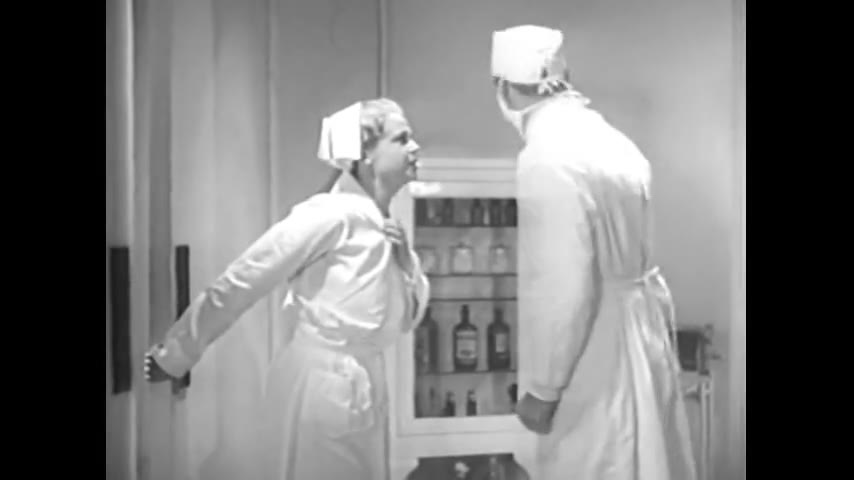
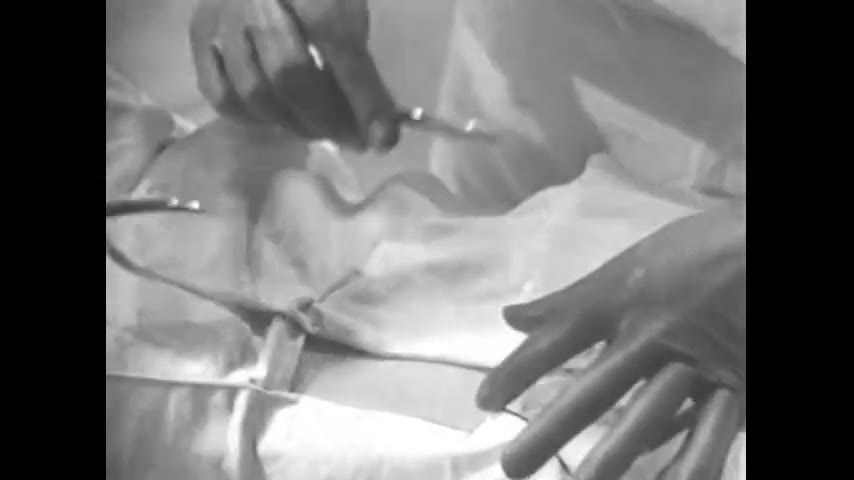
By the early 1930s, more than half of US states had eugenics laws on the books, and tens of thousands of Americans -- prisoners, psychiatric patients, the poor -- had been forcibly sterilized under them, a practice the Supreme Court upheld in Buck v. Bell (“three generations of imbeciles are enough,” Oliver Wendell Holmes wrote for the majority). Tomorrow's Children turned that policy into a ticking-clock melodrama: a seventeen-year-old ordered sterilized because of her parents' problems, and a race to stop the surgeons before it's too late. The filmmaking is clumsy, but the target was real, and versions of the law it argues against stayed on the books in some states into the 1970s.By the early 1930s, more than half of US states had eugenics laws on the books, and tens of thousands of Americans -- prisoners, psychiatric patients, the poor -- had been forcibly sterilized under them, a practice the Supreme Court upheld in Buck v. Bell (“three generations of imbeciles are enough,” Oliver Wendell Holmes wrote for the majority). Tomorrow's Children turned that policy into a ticking-clock melodrama: a seventeen-year-old ordered sterilized because of her parents' problems, and a race to stop the surgeons before it's too late. The filmmaking is clumsy, but the target was real, and versions of the law it argues against stayed on the books in some states into the 1970s.
By the early 1930s, more than half of US states had eugenics laws on the books, and tens of thousands of Americans -- prisoners, psychiatric patients, the poor -- had been forcibly sterilized under them, a practice the Supreme Court upheld in Buck v. Bell (“three generations of imbeciles are enough,” Oliver Wendell Holmes wrote for the majority). Tomorrow's Children turned that policy into a ticking-clock melodrama: a seventeen-year-old ordered sterilized because of her parents' problems, and a race to stop the surgeons before it's too late. The filmmaking is clumsy, but the target was real, and versions of the law it argues against stayed on the books in some states into the 1970s.
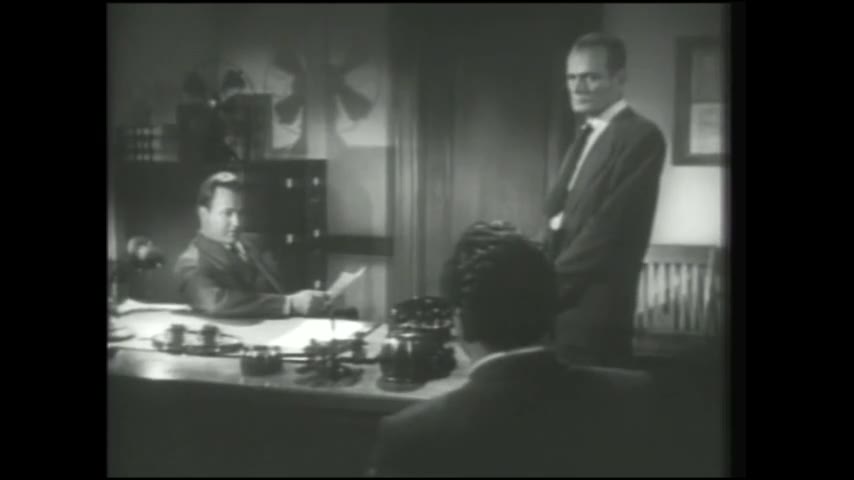
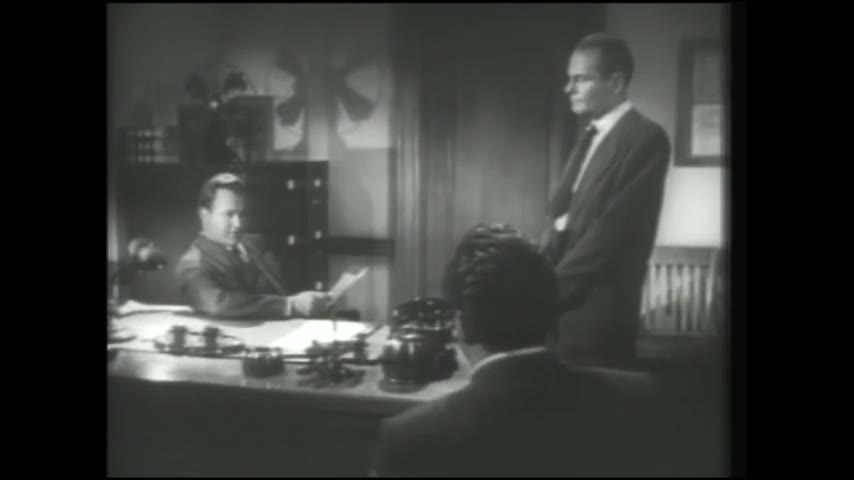
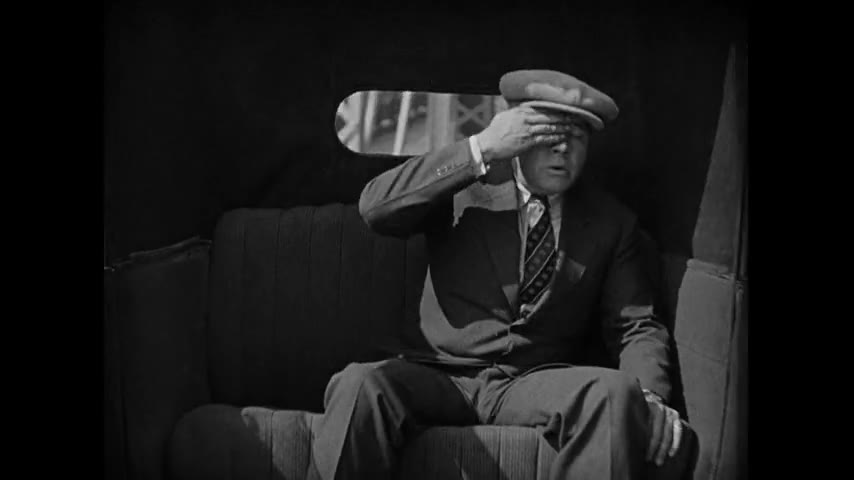
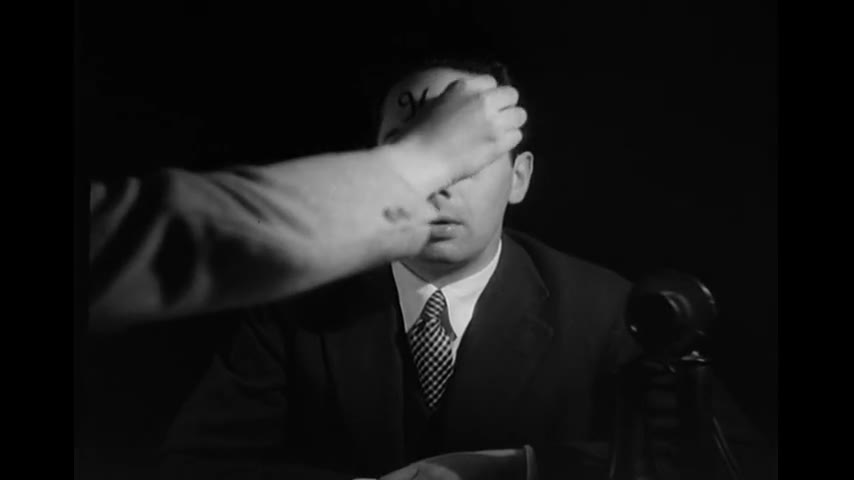
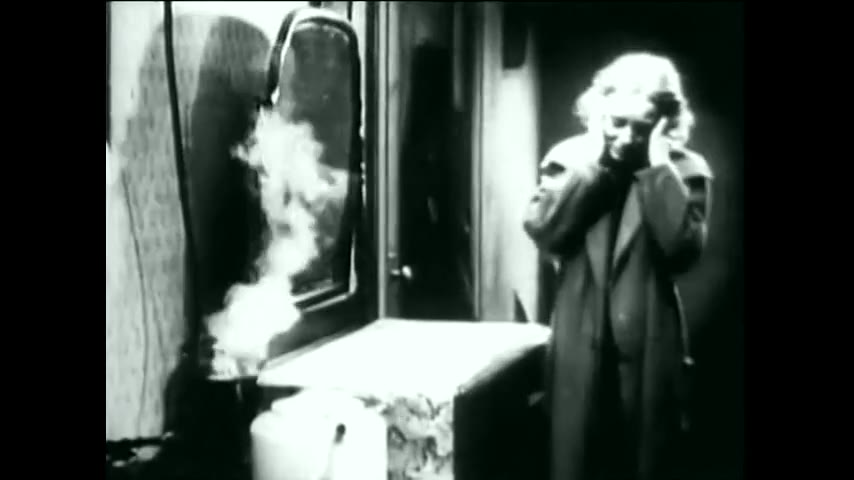
D.O.A. opens with its whole premise front-loaded: Frank Bigelow, poisoned with a slow-acting toxin he can't survive, spends the rest of the film investigating who killed him and why, racing a clock that's already run out. Edmond O'Brien plays the reveal completely straight, delivering "I want to report a murder... mine" without a wink, and the gambit worked well enough that the fatally-poisoned-man setup has been recycled by a stage musical, a 1969 West German remake, a 1988 Dennis Quaid version, and a 2022 reboot -- none of which needed permission, since the original fell into the public domain decades ago.D.O.A. opens with its whole premise front-loaded: Frank Bigelow, poisoned with a slow-acting toxin he can't survive, spends the rest of the film investigating who killed him and why, racing a clock that's already run out. Edmond O'Brien plays the reveal completely straight, delivering "I want to report a murder... mine" without a wink, and the gambit worked well enough that the fatally-poisoned-man setup has been recycled by a stage musical, a 1969 West German remake, a 1988 Dennis Quaid version, and a 2022 reboot -- none of which needed permission, since the original fell into the public domain decades ago.
D.O.A. opens with its whole premise front-loaded: Frank Bigelow, poisoned with a slow-acting toxin he can't survive, spends the rest of the film investigating who killed him and why, racing a clock that's already run out. Edmond O'Brien plays the reveal completely straight, delivering "I want to report a murder... mine" without a wink, and the gambit worked well enough that the fatally-poisoned-man setup has been recycled by a stage musical, a 1969 West German remake, a 1988 Dennis Quaid version, and a 2022 reboot -- none of which needed permission, since the original fell into the public domain decades ago.
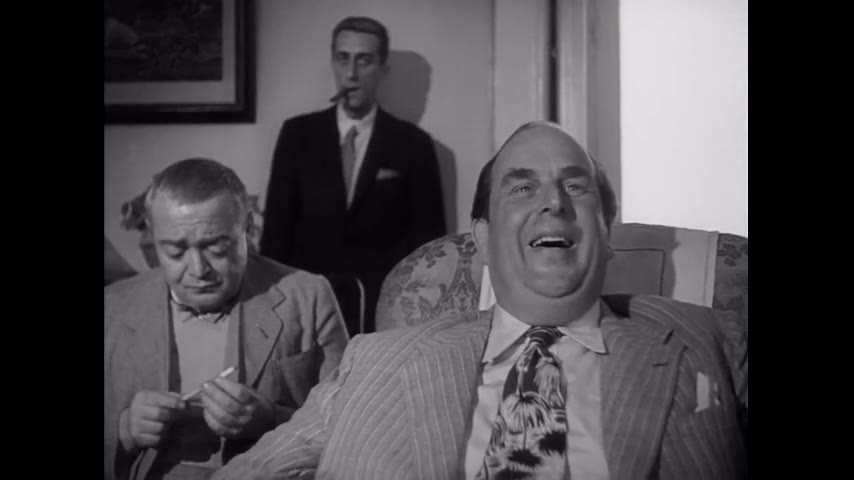
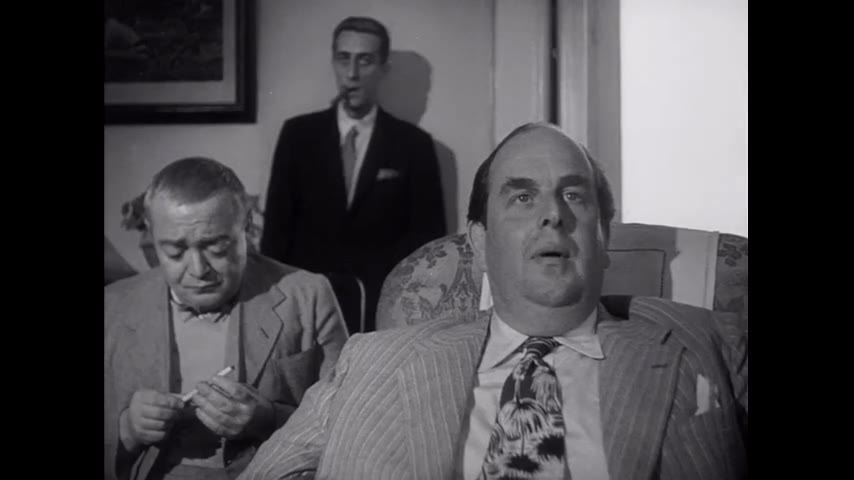
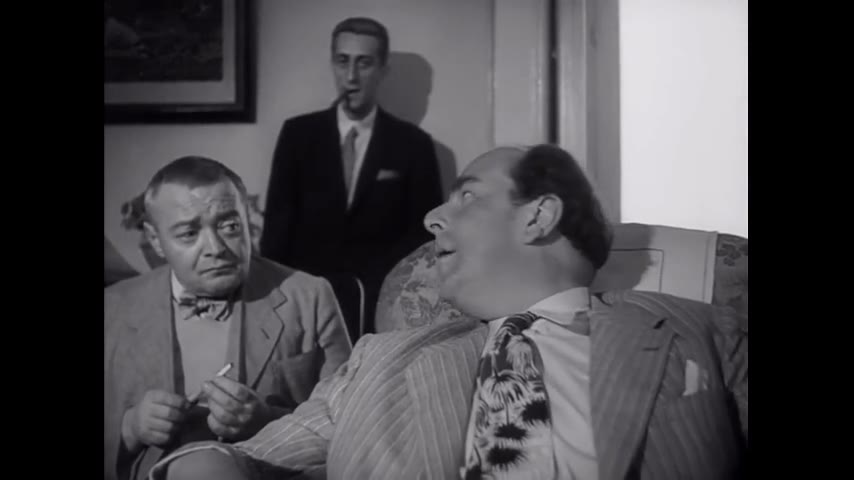
Beat the Devil was written day-by-day during shooting -- John Huston and a 29-year-old Truman Capote reworking pages each morning for that day's scenes, with Humphrey Bogart (who co-produced and financed it) reportedly baffled by what the finished film was even supposed to be. Contemporary audiences mostly agreed, and it flopped; decades later it's better understood as an early spoof of the prestige-thriller genre Bogart himself helped define, deadpan enough that people still argue about which lines are meant to be jokes.Beat the Devil was written day-by-day during shooting -- John Huston and a 29-year-old Truman Capote reworking pages each morning for that day's scenes, with Humphrey Bogart (who co-produced and financed it) reportedly baffled by what the finished film was even supposed to be. Contemporary audiences mostly agreed, and it flopped; decades later it's better understood as an early spoof of the prestige-thriller genre Bogart himself helped define, deadpan enough that people still argue about which lines are meant to be jokes.
Beat the Devil was written day-by-day during shooting -- John Huston and a 29-year-old Truman Capote reworking pages each morning for that day's scenes, with Humphrey Bogart (who co-produced and financed it) reportedly baffled by what the finished film was even supposed to be. Contemporary audiences mostly agreed, and it flopped; decades later it's better understood as an early spoof of the prestige-thriller genre Bogart himself helped define, deadpan enough that people still argue about which lines are meant to be jokes.
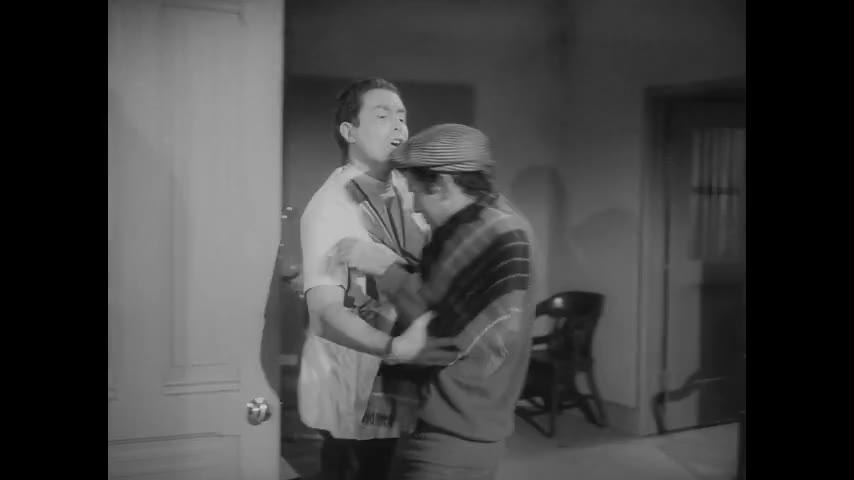
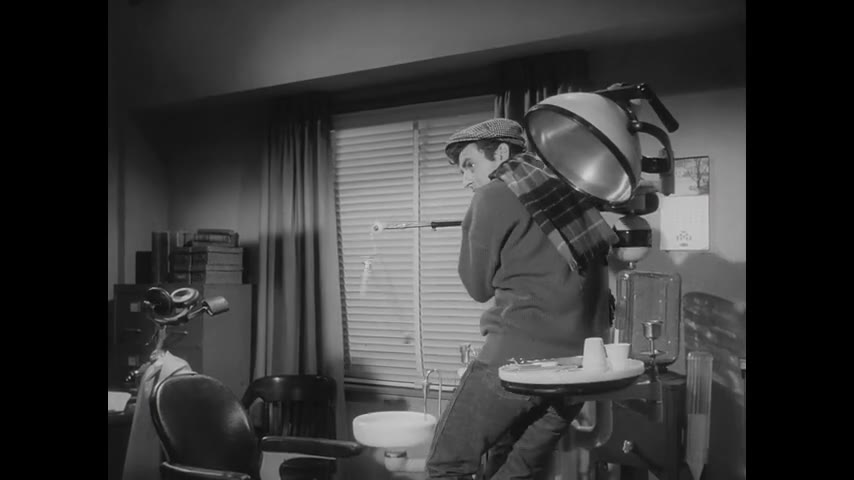
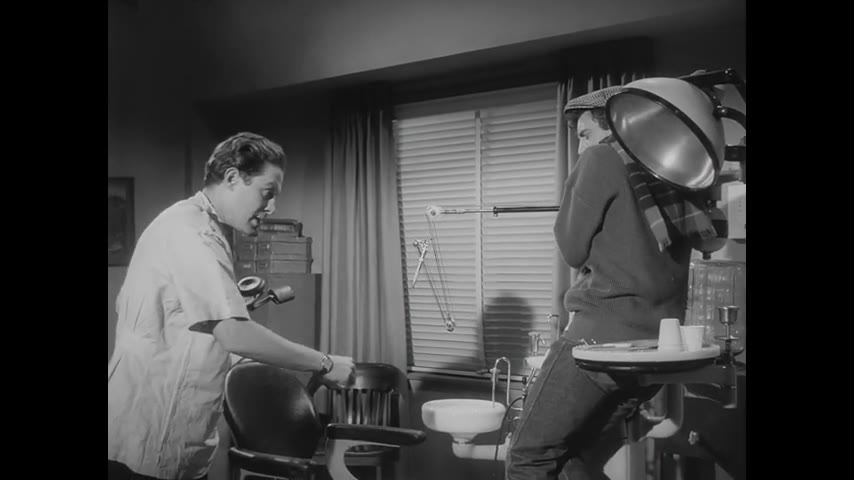
Roger Corman shot the entire film in two days and a night on sets left over from another production, mostly to test how fast a feature could be made on a bet. He never bothered securing the copyright, evidently not expecting it to have value beyond a quick theatrical run -- which is exactly why it's free to use today, while the 1986 musical remake it inspired stayed firmly copyrighted. This dental-office scene is also where a 23-year-old Jack Nicholson turns up in one of his first film roles, as the patient who shows up next and can't wait for his turn in the chair.Roger Corman shot the entire film in two days and a night on sets left over from another production, mostly to test how fast a feature could be made on a bet. He never bothered securing the copyright, evidently not expecting it to have value beyond a quick theatrical run -- which is exactly why it's free to use today, while the 1986 musical remake it inspired stayed firmly copyrighted. This dental-office scene is also where a 23-year-old Jack Nicholson turns up in one of his first film roles, as the patient who shows up next and can't wait for his turn in the chair.
Roger Corman shot the entire film in two days and a night on sets left over from another production, mostly to test how fast a feature could be made on a bet. He never bothered securing the copyright, evidently not expecting it to have value beyond a quick theatrical run -- which is exactly why it's free to use today, while the 1986 musical remake it inspired stayed firmly copyrighted. This dental-office scene is also where a 23-year-old Jack Nicholson turns up in one of his first film roles, as the patient who shows up next and can't wait for his turn in the chair.
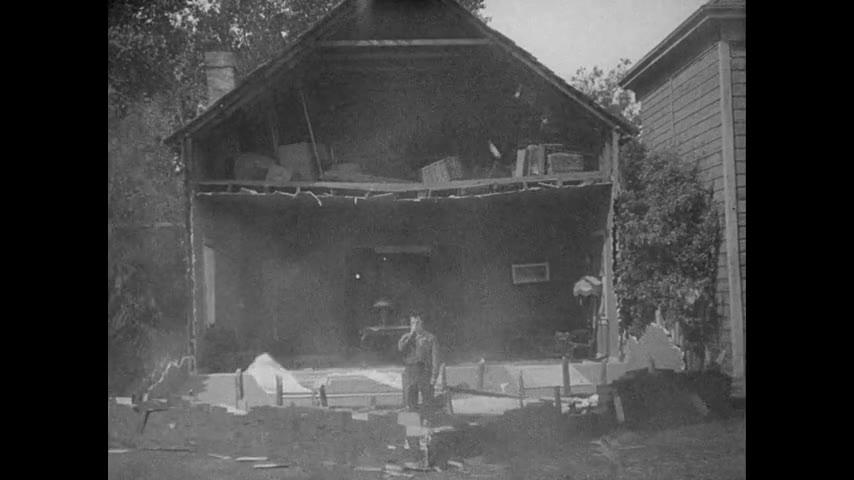
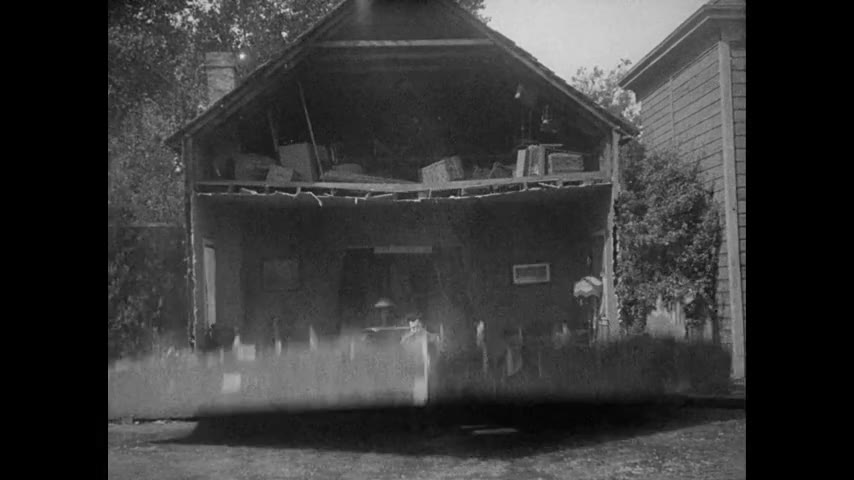
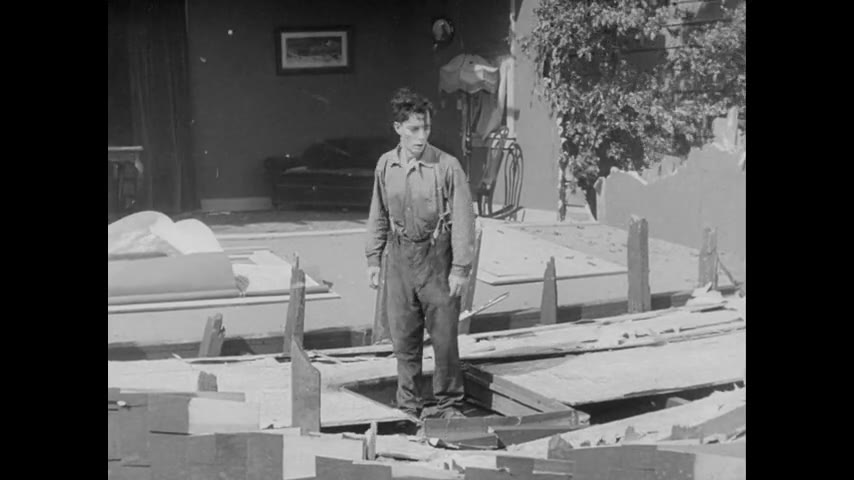
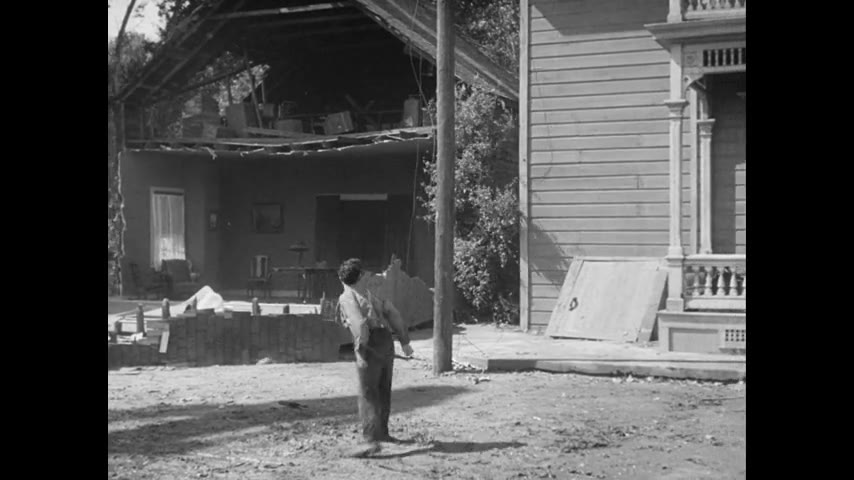
The falling building front weighed about two tons, and the attic window was sized to clear Keaton's body by only a few inches on either side -- the crew reportedly couldn't bear to watch, and Keaton insisted on doing the stunt himself, marking his exact spot on the ground beforehand. There was no trick photography: one camera, one take, and a genuinely lethal margin for error if the wind had pushed the facade even slightly off its rig. It's routinely cited as the single most dangerous shot of the silent era, and stunt coordinators still study it today.The falling building front weighed about two tons, and the attic window was sized to clear Keaton's body by only a few inches on either side -- the crew reportedly couldn't bear to watch, and Keaton insisted on doing the stunt himself, marking his exact spot on the ground beforehand. There was no trick photography: one camera, one take, and a genuinely lethal margin for error if the wind had pushed the facade even slightly off its rig. It's routinely cited as the single most dangerous shot of the silent era, and stunt coordinators still study it today.
The falling building front weighed about two tons, and the attic window was sized to clear Keaton's body by only a few inches on either side -- the crew reportedly couldn't bear to watch, and Keaton insisted on doing the stunt himself, marking his exact spot on the ground beforehand. There was no trick photography: one camera, one take, and a genuinely lethal margin for error if the wind had pushed the facade even slightly off its rig. It's routinely cited as the single most dangerous shot of the silent era, and stunt coordinators still study it today.
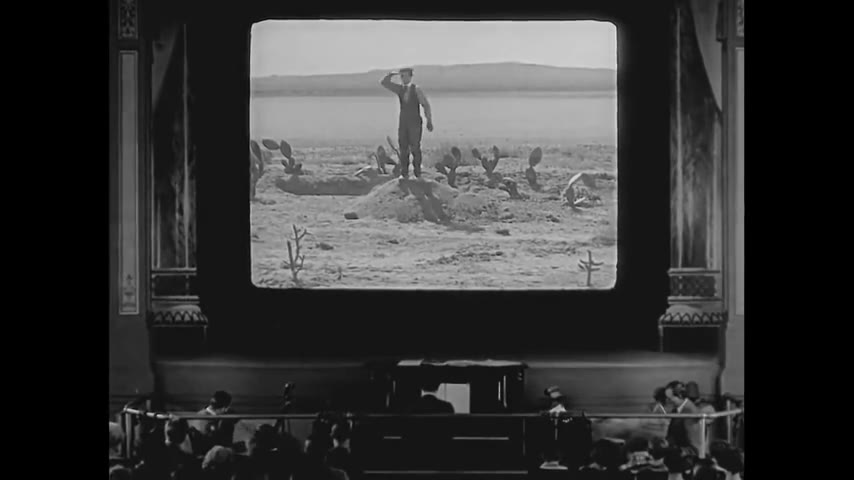
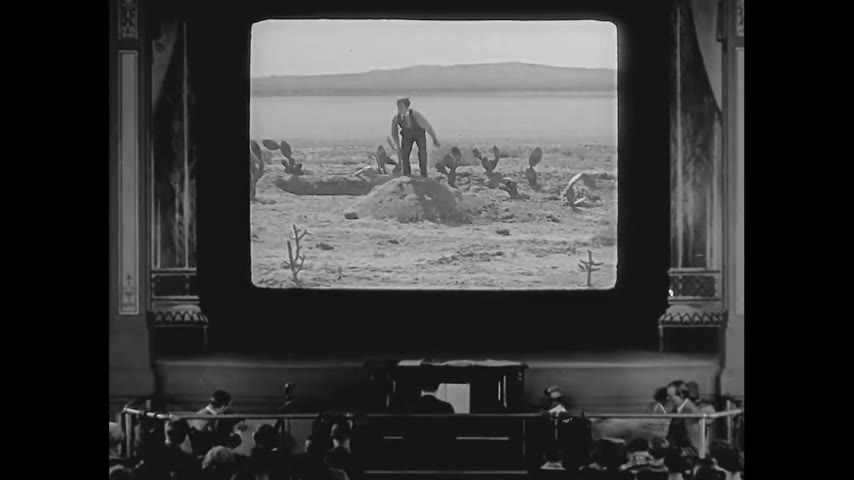
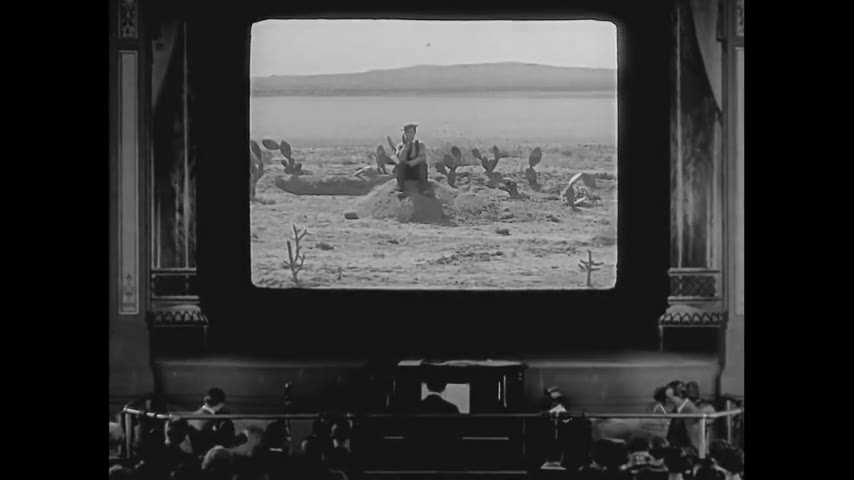
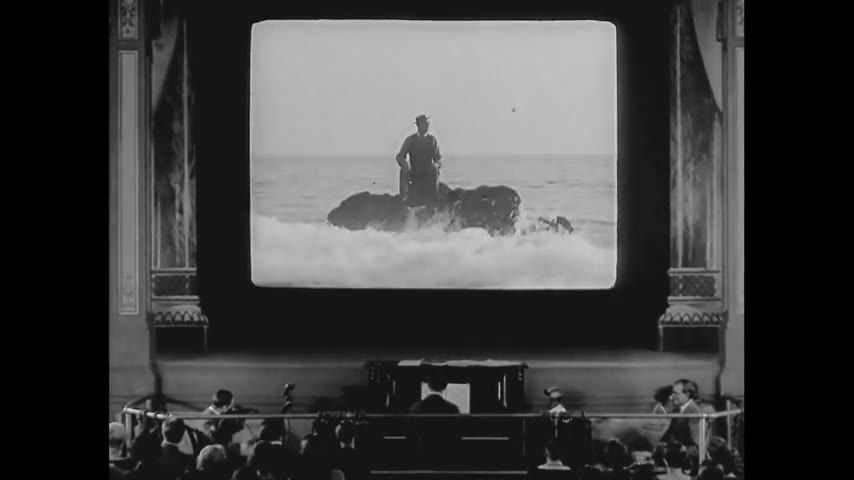
Getting Keaton to appear seamlessly inside a rapid series of environments -- a desert, a busy street, a mountain ledge, the open ocean -- required none of the compositing tools that would later make this kind of effect routine; in 1924 it meant surveying each location in advance, chalking Keaton's exact mark, and matching the camera's height, distance, and lens precisely between setups so the cut from one world to the next would land as a jolt instead of an obvious scene change. It's still cited as one of the most technically demanding effects sequences of the silent era, achieved with nothing but a tape measure and exact repetition.Getting Keaton to appear seamlessly inside a rapid series of environments -- a desert, a busy street, a mountain ledge, the open ocean -- required none of the compositing tools that would later make this kind of effect routine; in 1924 it meant surveying each location in advance, chalking Keaton's exact mark, and matching the camera's height, distance, and lens precisely between setups so the cut from one world to the next would land as a jolt instead of an obvious scene change. It's still cited as one of the most technically demanding effects sequences of the silent era, achieved with nothing but a tape measure and exact repetition.
Getting Keaton to appear seamlessly inside a rapid series of environments -- a desert, a busy street, a mountain ledge, the open ocean -- required none of the compositing tools that would later make this kind of effect routine; in 1924 it meant surveying each location in advance, chalking Keaton's exact mark, and matching the camera's height, distance, and lens precisely between setups so the cut from one world to the next would land as a jolt instead of an obvious scene change. It's still cited as one of the most technically demanding effects sequences of the silent era, achieved with nothing but a tape measure and exact repetition.
Universal built a full-scale reproduction of the Notre Dame plaza on its studio lot -- reportedly the most expensive set built in Hollywood up to that point -- and populated it with thousands of extras for the film's climactic siege. Lon Chaney designed and built his own Quasimodo makeup and body rig, including a twenty-to-thirty-pound rubber hump and harness he wore through the entire shoot in the California sun. The "sanctuary" the film's plot hinges on was real medieval law: a church genuinely could shelter a fugitive from secular arrest, at least temporarily, and that specific legal technicality is what the climax turns on.Universal built a full-scale reproduction of the Notre Dame plaza on its studio lot -- reportedly the most expensive set built in Hollywood up to that point -- and populated it with thousands of extras for the film's climactic siege. Lon Chaney designed and built his own Quasimodo makeup and body rig, including a twenty-to-thirty-pound rubber hump and harness he wore through the entire shoot in the California sun. The "sanctuary" the film's plot hinges on was real medieval law: a church genuinely could shelter a fugitive from secular arrest, at least temporarily, and that specific legal technicality is what the climax turns on.
Universal built a full-scale reproduction of the Notre Dame plaza on its studio lot -- reportedly the most expensive set built in Hollywood up to that point -- and populated it with thousands of extras for the film's climactic siege. Lon Chaney designed and built his own Quasimodo makeup and body rig, including a twenty-to-thirty-pound rubber hump and harness he wore through the entire shoot in the California sun. The "sanctuary" the film's plot hinges on was real medieval law: a church genuinely could shelter a fugitive from secular arrest, at least temporarily, and that specific legal technicality is what the climax turns on.
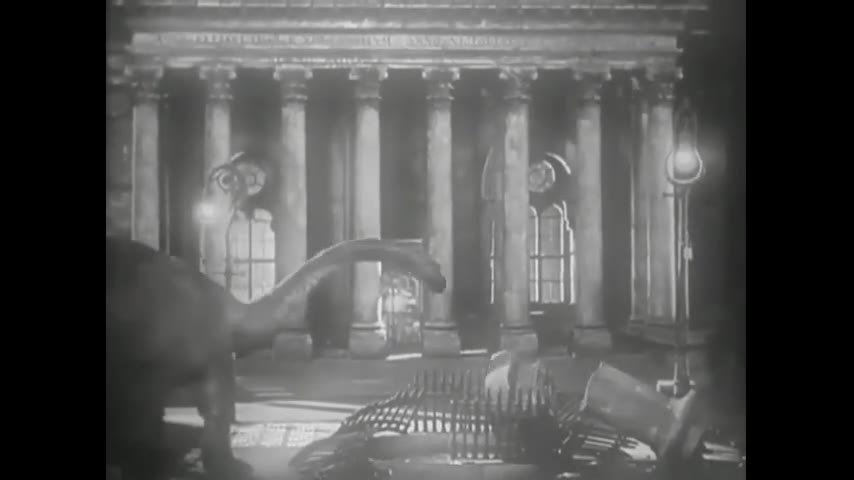
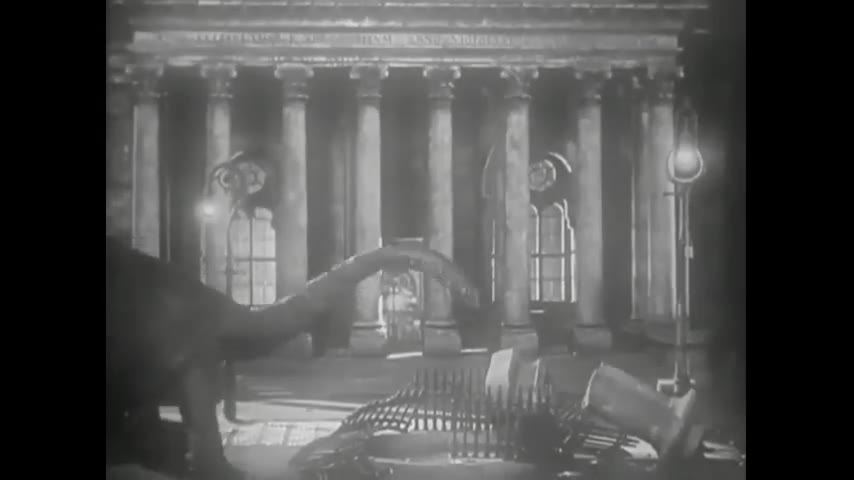
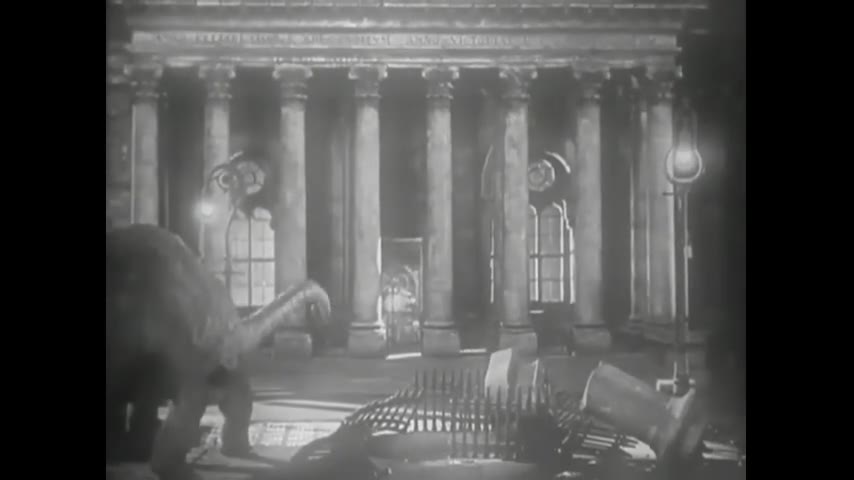
Willis O'Brien's stop-motion effects here were the first time mass audiences had seen dinosaurs move and interact with a live-action world at this scale, and the techniques he refined -- posable armature models, incremental frame-by-frame animation, miniatures matted into real footage -- became the direct blueprint for his own King Kong eight years later. Three years before the film even opened, Arthur Conan Doyle previewed O'Brien's test reel -- a Triceratops family, an Allosaurus attack, a Stegosaurus -- for a room of magicians that included Harry Houdini, coyly calling the creatures "psychic" and letting the room debate whether they'd just watched something real. In 1998 the Library of Congress added the finished film to the National Film Registry.Willis O'Brien's stop-motion effects here were the first time mass audiences had seen dinosaurs move and interact with a live-action world at this scale, and the techniques he refined -- posable armature models, incremental frame-by-frame animation, miniatures matted into real footage -- became the direct blueprint for his own King Kong eight years later. Three years before the film even opened, Arthur Conan Doyle previewed O'Brien's test reel -- a Triceratops family, an Allosaurus attack, a Stegosaurus -- for a room of magicians that included Harry Houdini, coyly calling the creatures "psychic" and letting the room debate whether they'd just watched something real. In 1998 the Library of Congress added the finished film to the National Film Registry.
Willis O'Brien's stop-motion effects here were the first time mass audiences had seen dinosaurs move and interact with a live-action world at this scale, and the techniques he refined -- posable armature models, incremental frame-by-frame animation, miniatures matted into real footage -- became the direct blueprint for his own King Kong eight years later. Three years before the film even opened, Arthur Conan Doyle previewed O'Brien's test reel -- a Triceratops family, an Allosaurus attack, a Stegosaurus -- for a room of magicians that included Harry Houdini, coyly calling the creatures "psychic" and letting the room debate whether they'd just watched something real. In 1998 the Library of Congress added the finished film to the National Film Registry.
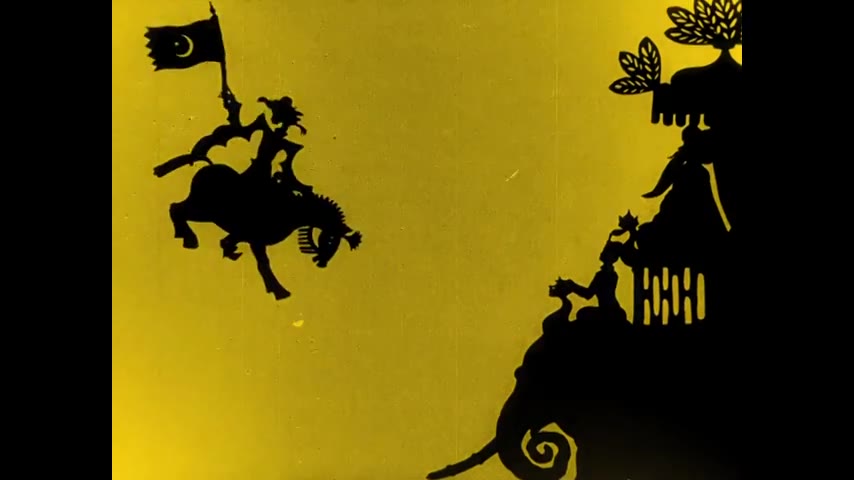
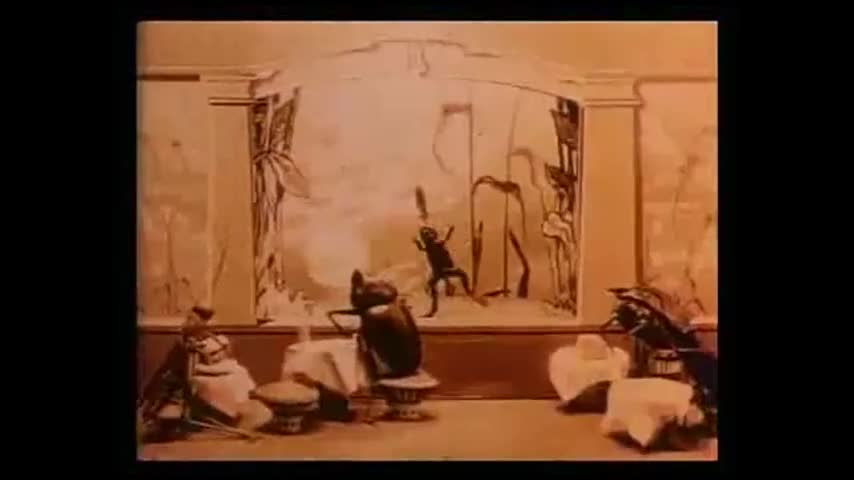
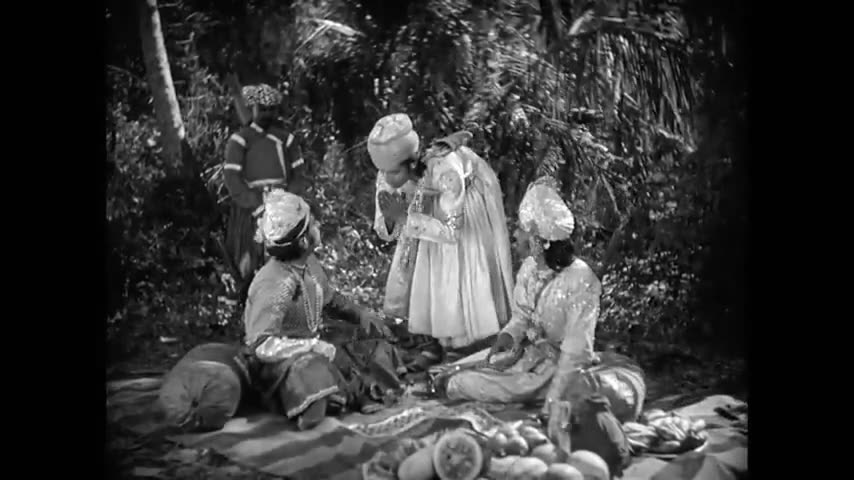
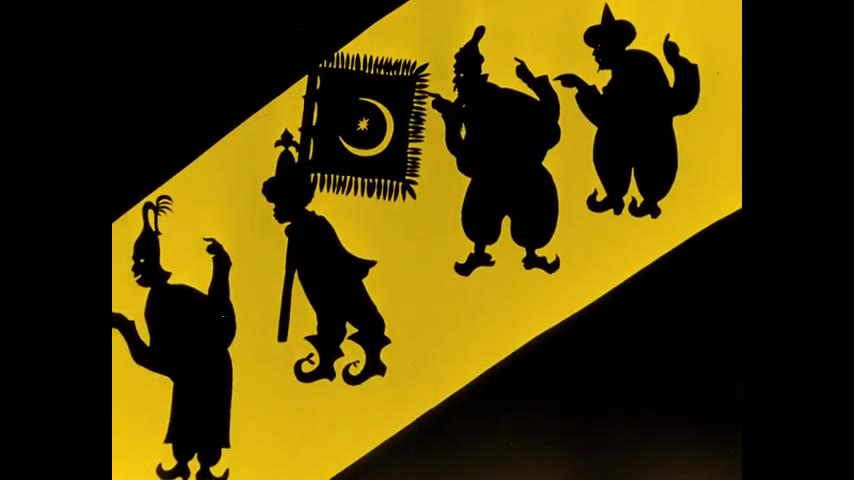
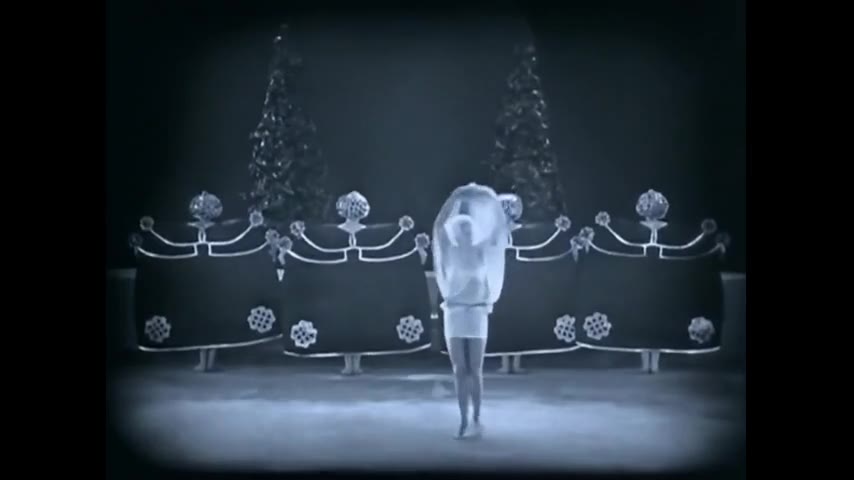
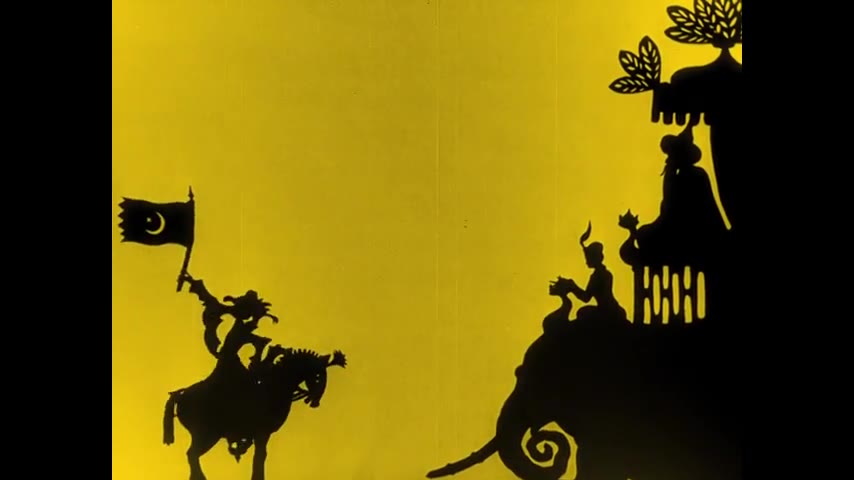
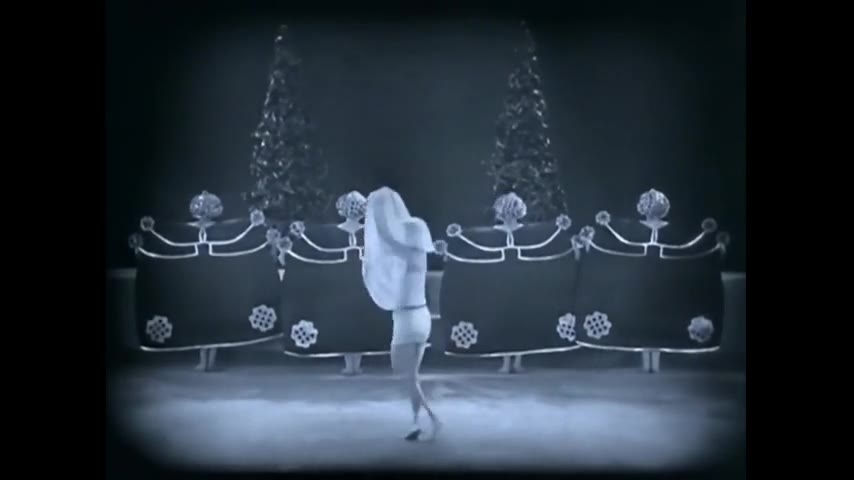
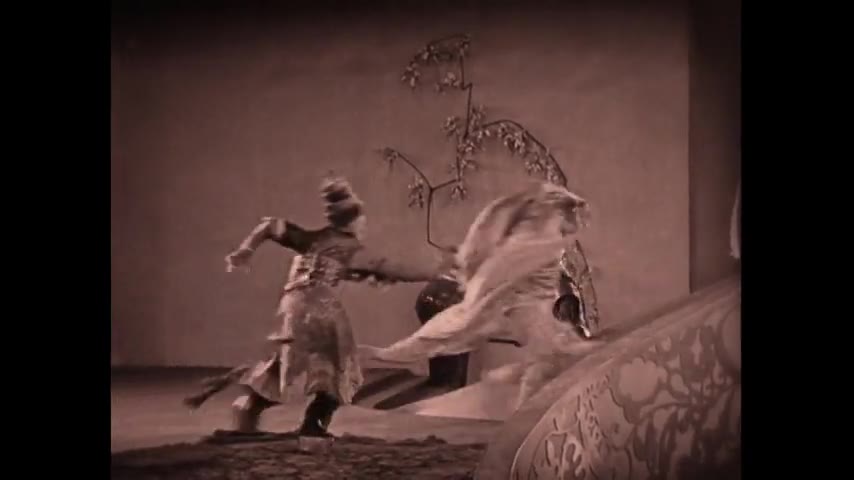
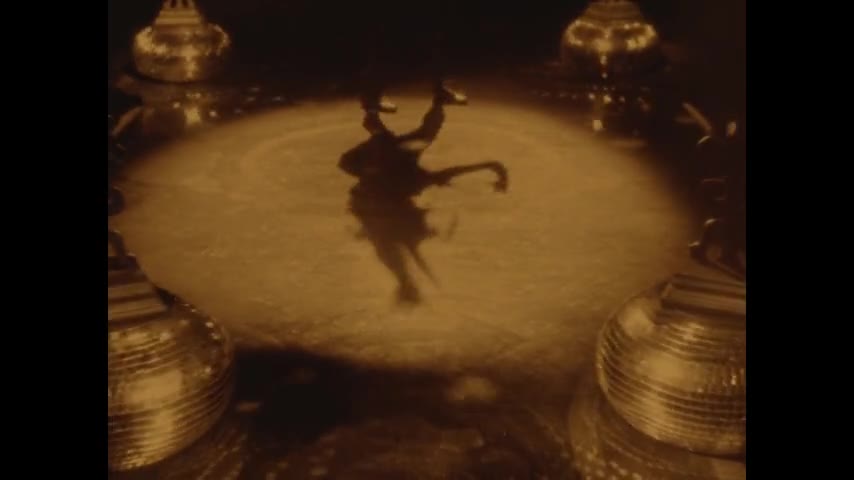
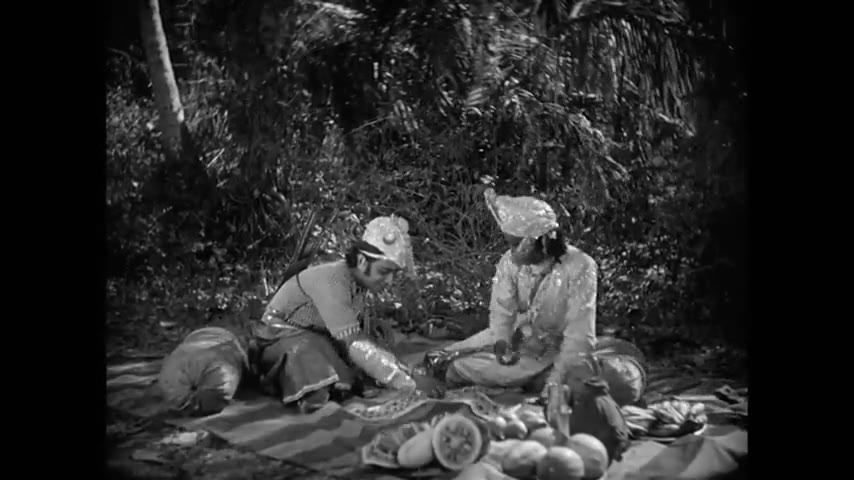
Every figure on screen is a hand-cut, hinged cardboard-and-lead-foil silhouette, animated a fraction of a millimeter at a time and shot frame by frame in a friend's garage by a crew of five. To fake real depth, Reiniger stacked her silhouettes across horizontal panes of glass at different distances from the camera and moved them independently -- a multiplane setup she worked out roughly a decade before Walt Disney's studio patented and popularized its own version. The film took about five years to complete. Because the two earlier animated features by Quirino Cristiani in Argentina no longer survive, Prince Achmed stands as the oldest surviving animated feature film.Every figure on screen is a hand-cut, hinged cardboard-and-lead-foil silhouette, animated a fraction of a millimeter at a time and shot frame by frame in a friend's garage by a crew of five. To fake real depth, Reiniger stacked her silhouettes across horizontal panes of glass at different distances from the camera and moved them independently -- a multiplane setup she worked out roughly a decade before Walt Disney's studio patented and popularized its own version. The film took about five years to complete. Because the two earlier animated features by Quirino Cristiani in Argentina no longer survive, Prince Achmed stands as the oldest surviving animated feature film.
Every figure on screen is a hand-cut, hinged cardboard-and-lead-foil silhouette, animated a fraction of a millimeter at a time and shot frame by frame in a friend's garage by a crew of five. To fake real depth, Reiniger stacked her silhouettes across horizontal panes of glass at different distances from the camera and moved them independently -- a multiplane setup she worked out roughly a decade before Walt Disney's studio patented and popularized its own version. The film took about five years to complete. Because the two earlier animated features by Quirino Cristiani in Argentina no longer survive, Prince Achmed stands as the oldest surviving animated feature film.
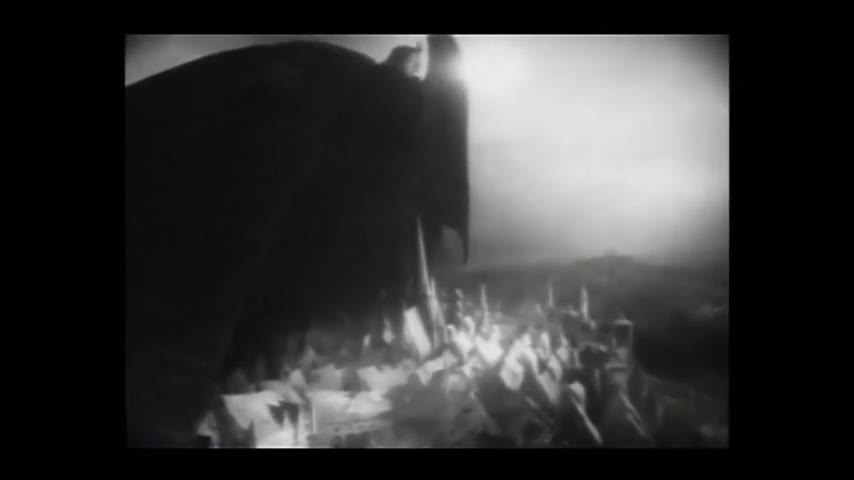
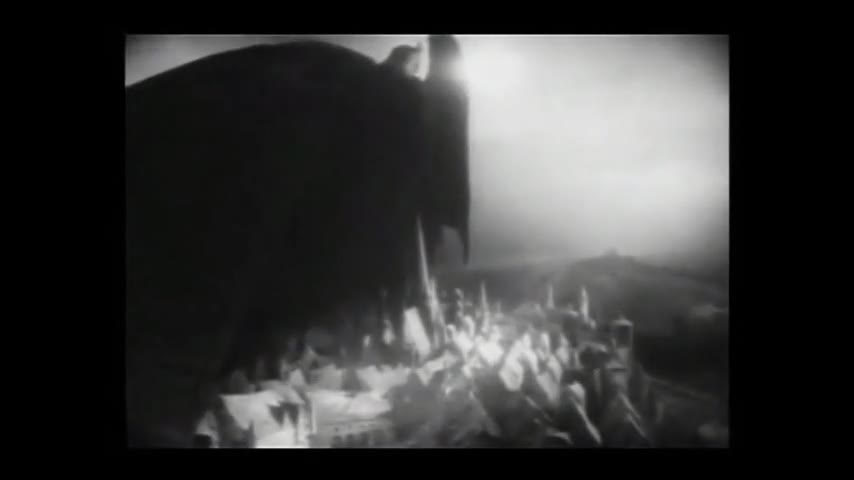
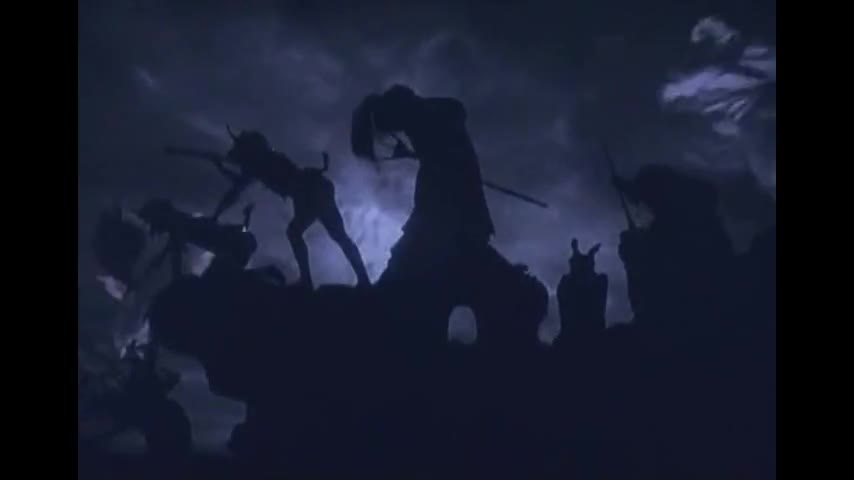
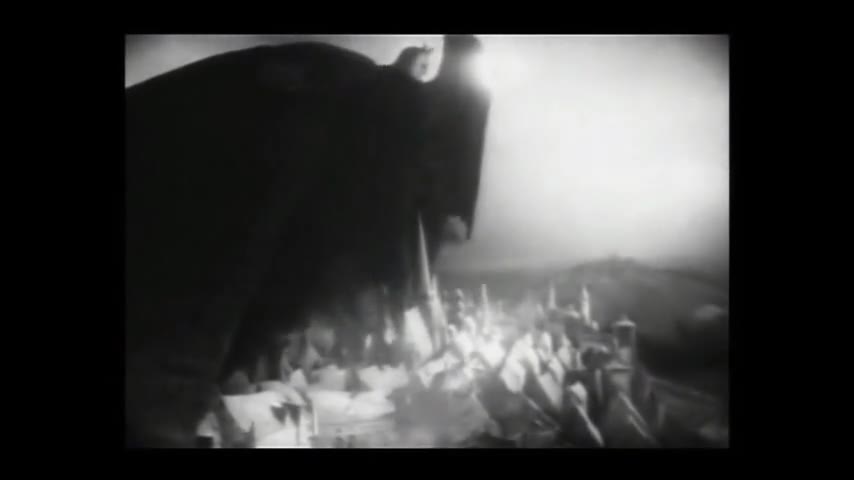
The village beneath Mephisto's wings is a miniature model, not a full-size set -- art director Robert Herlth's team built it from reeds and rushes standing in for pine trees, glass wool for clouds, and real turf glued onto plaster, with the buildings' proportions deliberately warped to read as vast, crooked distance under the demon's shadow. Emil Jannings plays Mephisto here, a few years before he'd move to Hollywood and become the first person to win the Academy Award for Best Actor, for two other films. Murnau himself considered the picture troubled -- he reshot the ending after a poor test screening -- but this looming apparition over the model village became one of the most reproduced single images of the silent era.The village beneath Mephisto's wings is a miniature model, not a full-size set -- art director Robert Herlth's team built it from reeds and rushes standing in for pine trees, glass wool for clouds, and real turf glued onto plaster, with the buildings' proportions deliberately warped to read as vast, crooked distance under the demon's shadow. Emil Jannings plays Mephisto here, a few years before he'd move to Hollywood and become the first person to win the Academy Award for Best Actor, for two other films. Murnau himself considered the picture troubled -- he reshot the ending after a poor test screening -- but this looming apparition over the model village became one of the most reproduced single images of the silent era.
The village beneath Mephisto's wings is a miniature model, not a full-size set -- art director Robert Herlth's team built it from reeds and rushes standing in for pine trees, glass wool for clouds, and real turf glued onto plaster, with the buildings' proportions deliberately warped to read as vast, crooked distance under the demon's shadow. Emil Jannings plays Mephisto here, a few years before he'd move to Hollywood and become the first person to win the Academy Award for Best Actor, for two other films. Murnau himself considered the picture troubled -- he reshot the ending after a poor test screening -- but this looming apparition over the model village became one of the most reproduced single images of the silent era.
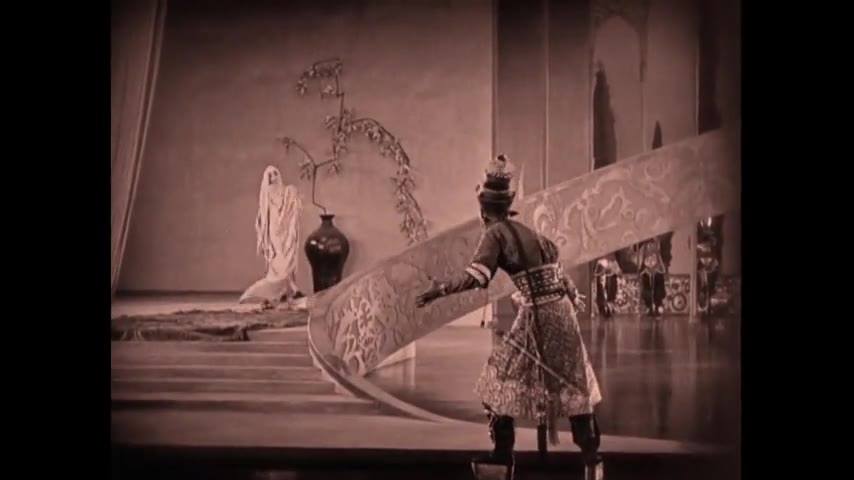
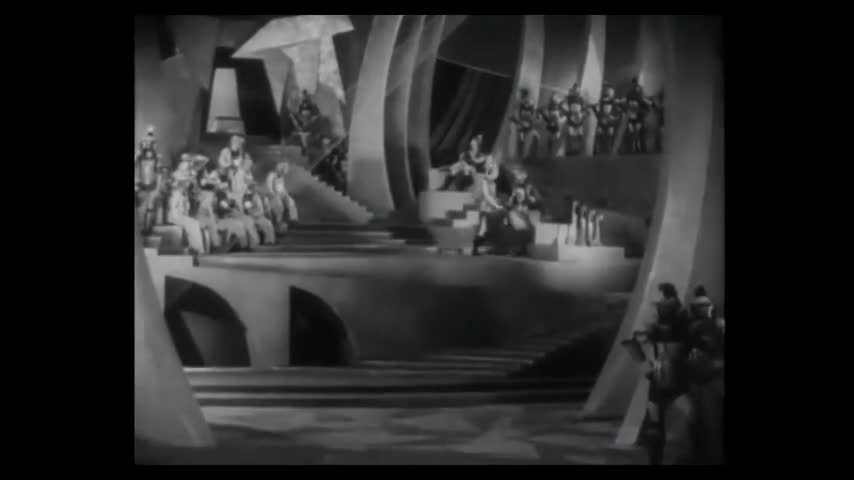
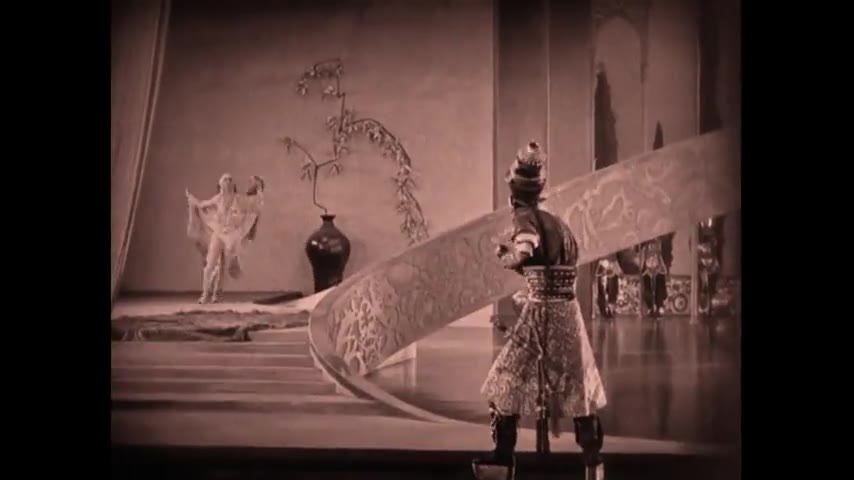
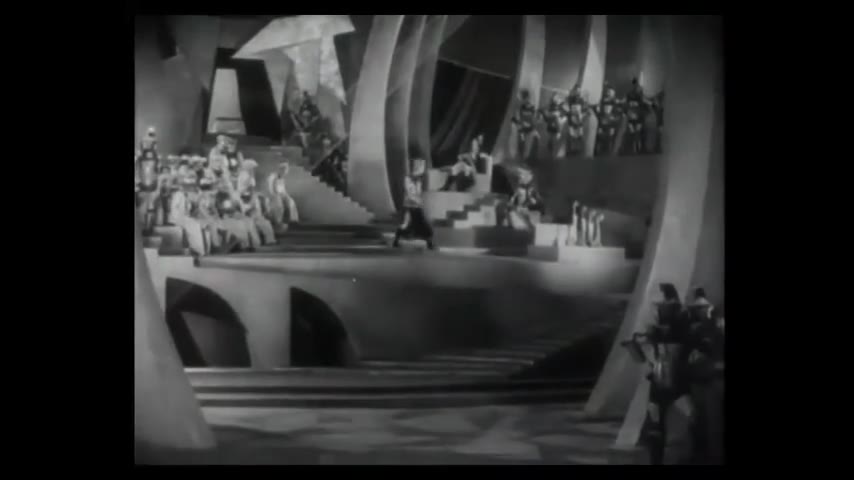
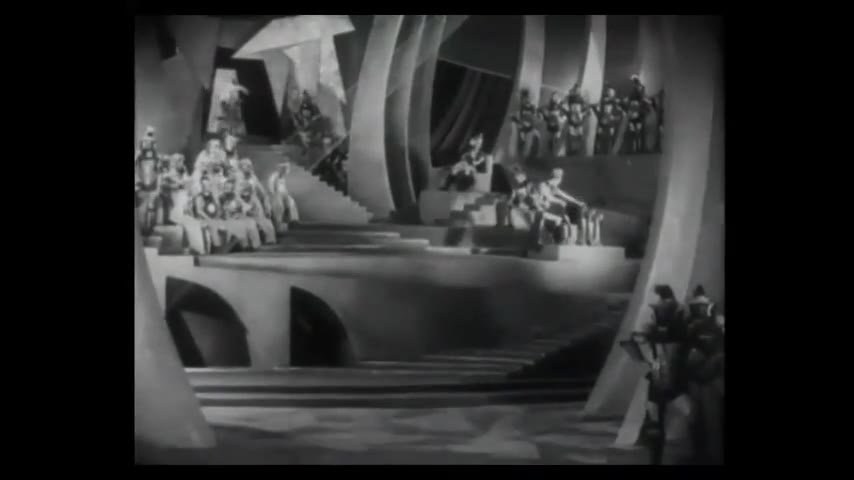
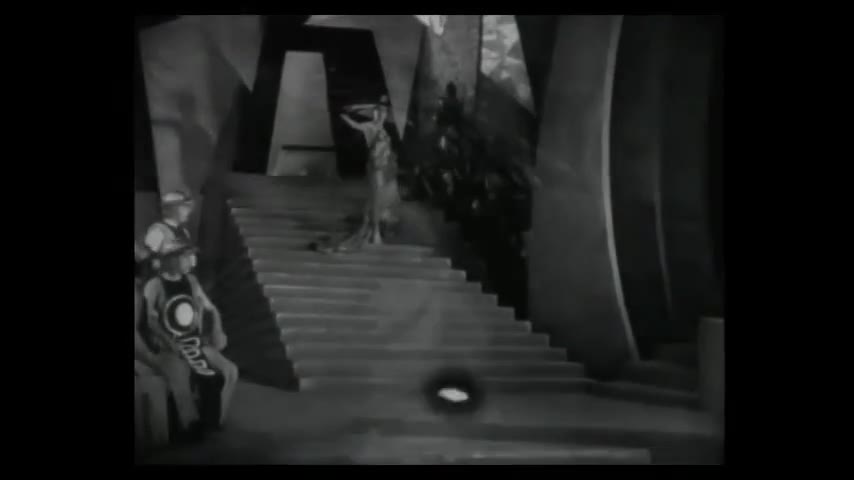
The bazaar set alone covered more than two acres on a concrete floor that had to be re-enameled several times a week, part of a production budget over $1.1 million -- an enormous sum for 1924 -- under design chief William Cameron Menzies, whose soaring, geometric sets here launched his career and helped invent what the industry would later call production design. Filming ran more than 28 weeks. Douglas Fairbanks, who produced and starred, did his own stunts and insisted on practical in-camera effects for the flying carpet and the rest of the film's magic rather than the optical trickery available at the time.The bazaar set alone covered more than two acres on a concrete floor that had to be re-enameled several times a week, part of a production budget over $1.1 million -- an enormous sum for 1924 -- under design chief William Cameron Menzies, whose soaring, geometric sets here launched his career and helped invent what the industry would later call production design. Filming ran more than 28 weeks. Douglas Fairbanks, who produced and starred, did his own stunts and insisted on practical in-camera effects for the flying carpet and the rest of the film's magic rather than the optical trickery available at the time.
The bazaar set alone covered more than two acres on a concrete floor that had to be re-enameled several times a week, part of a production budget over $1.1 million -- an enormous sum for 1924 -- under design chief William Cameron Menzies, whose soaring, geometric sets here launched his career and helped invent what the industry would later call production design. Filming ran more than 28 weeks. Douglas Fairbanks, who produced and starred, did his own stunts and insisted on practical in-camera effects for the flying carpet and the rest of the film's magic rather than the optical trickery available at the time.
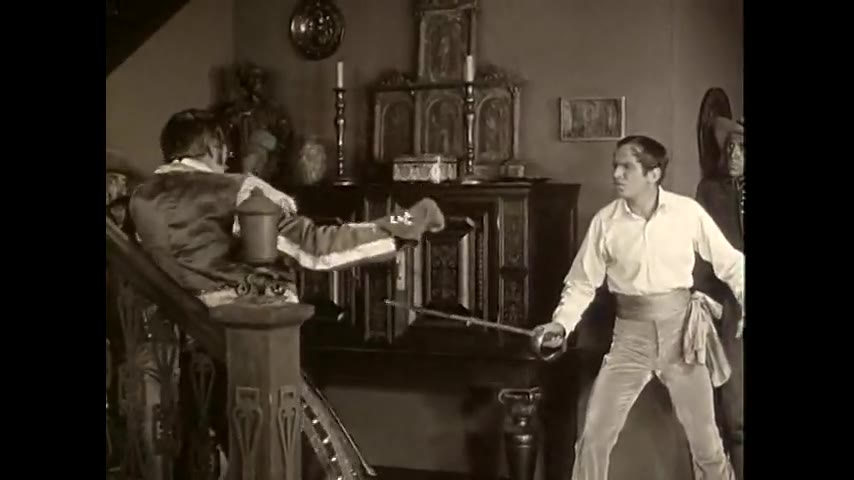
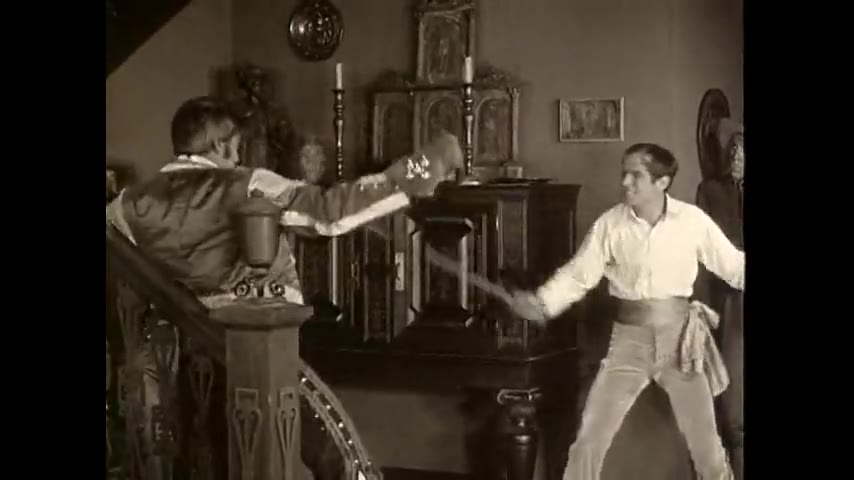
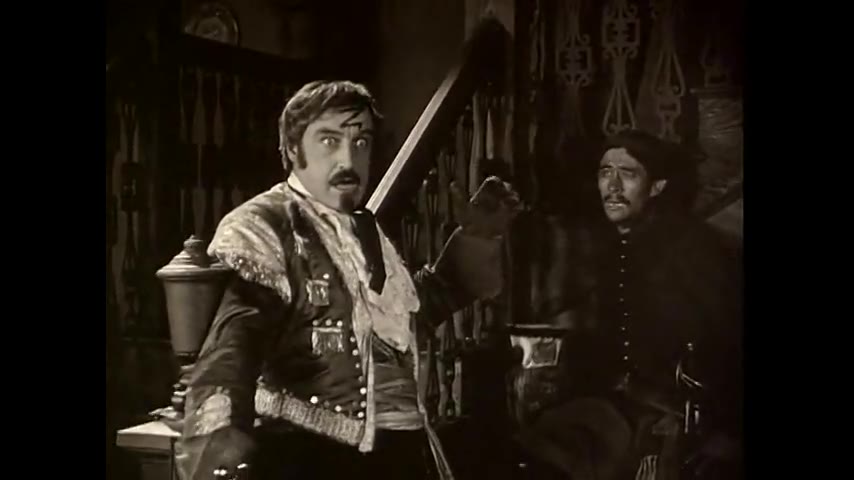
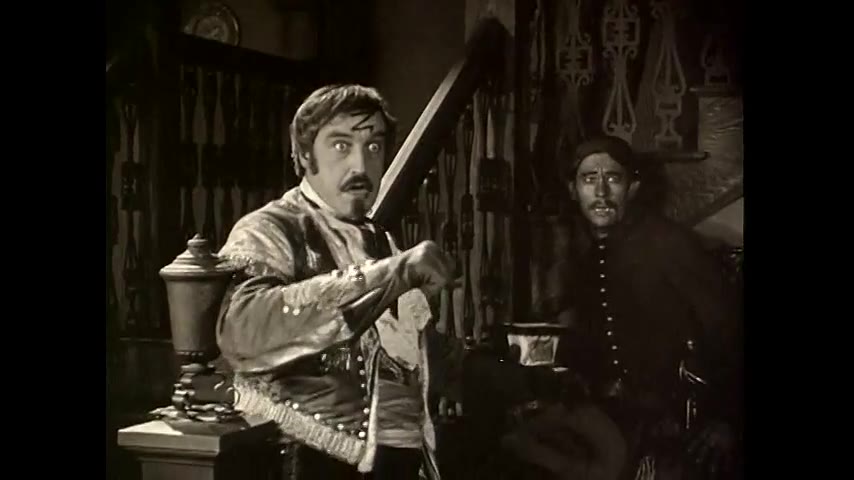
Adapted from Johnston McCulley's pulp serial "The Curse of Capistrano," this was Fairbanks's first costume swashbuckler after a decade of contemporary comedies, and its success reoriented the rest of his career toward the swordfights and derring-do he's remembered for. Fairbanks did the bulk of his own stunt work and fencing here, athletic enough that decades later Bob Kane cited this exact film -- the mask, the cape, the double identity of a foppish nobleman hiding a masked vigilante -- as a direct model for Batman.Adapted from Johnston McCulley's pulp serial "The Curse of Capistrano," this was Fairbanks's first costume swashbuckler after a decade of contemporary comedies, and its success reoriented the rest of his career toward the swordfights and derring-do he's remembered for. Fairbanks did the bulk of his own stunt work and fencing here, athletic enough that decades later Bob Kane cited this exact film -- the mask, the cape, the double identity of a foppish nobleman hiding a masked vigilante -- as a direct model for Batman.
Adapted from Johnston McCulley's pulp serial "The Curse of Capistrano," this was Fairbanks's first costume swashbuckler after a decade of contemporary comedies, and its success reoriented the rest of his career toward the swordfights and derring-do he's remembered for. Fairbanks did the bulk of his own stunt work and fencing here, athletic enough that decades later Bob Kane cited this exact film -- the mask, the cape, the double identity of a foppish nobleman hiding a masked vigilante -- as a direct model for Batman.
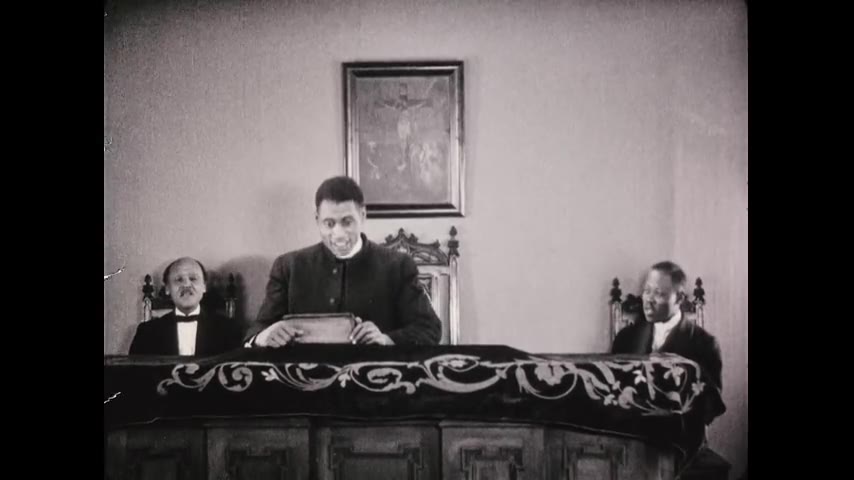
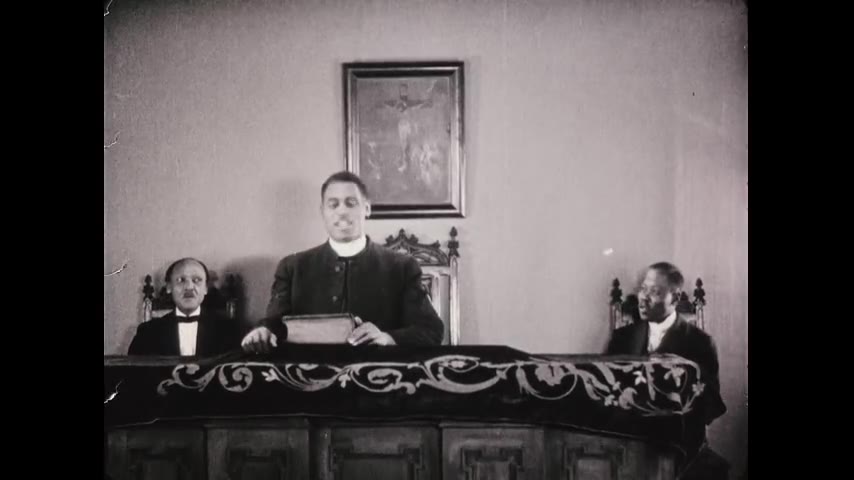
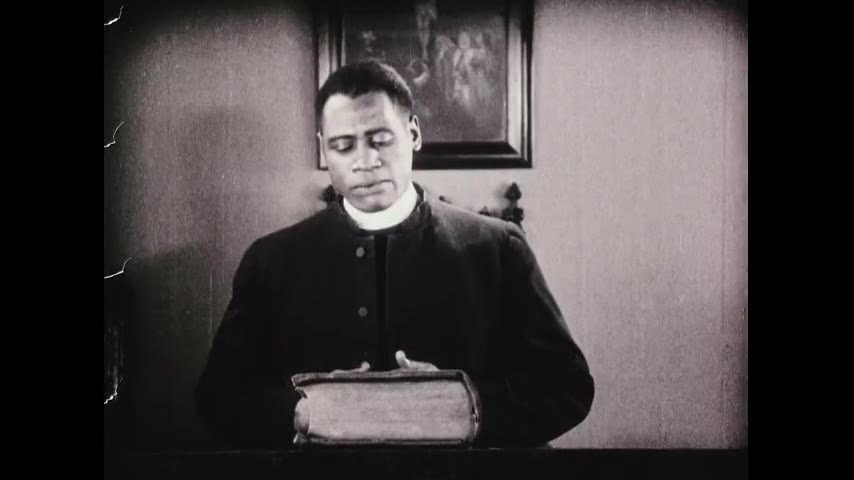
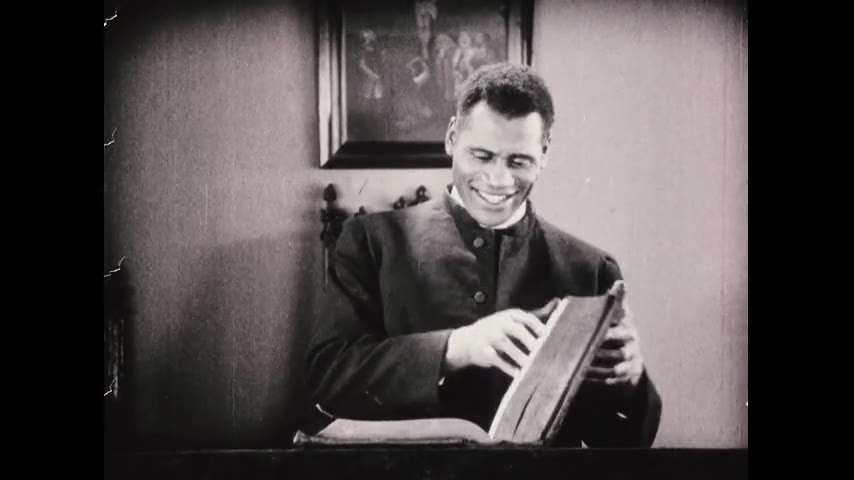
This was Paul Robeson's first film role, and he plays two parts -- the corrupt "Reverend" seen here, and that man's honest twin brother -- a dual performance Micheaux built the entire film around. Micheaux wrote, directed, produced, and distributed the picture independently outside the studio system, one of the so-called "race films" made explicitly for Black audiences at a time when most American theaters were segregated. New York's censors found its portrait of a fraudulent preacher offensive enough that they forced Micheaux to cut the original nine-reel version down to five before it could screen at all; that shortened cut is the only version known to survive.This was Paul Robeson's first film role, and he plays two parts -- the corrupt "Reverend" seen here, and that man's honest twin brother -- a dual performance Micheaux built the entire film around. Micheaux wrote, directed, produced, and distributed the picture independently outside the studio system, one of the so-called "race films" made explicitly for Black audiences at a time when most American theaters were segregated. New York's censors found its portrait of a fraudulent preacher offensive enough that they forced Micheaux to cut the original nine-reel version down to five before it could screen at all; that shortened cut is the only version known to survive.
This was Paul Robeson's first film role, and he plays two parts -- the corrupt "Reverend" seen here, and that man's honest twin brother -- a dual performance Micheaux built the entire film around. Micheaux wrote, directed, produced, and distributed the picture independently outside the studio system, one of the so-called "race films" made explicitly for Black audiences at a time when most American theaters were segregated. New York's censors found its portrait of a fraudulent preacher offensive enough that they forced Micheaux to cut the original nine-reel version down to five before it could screen at all; that shortened cut is the only version known to survive.
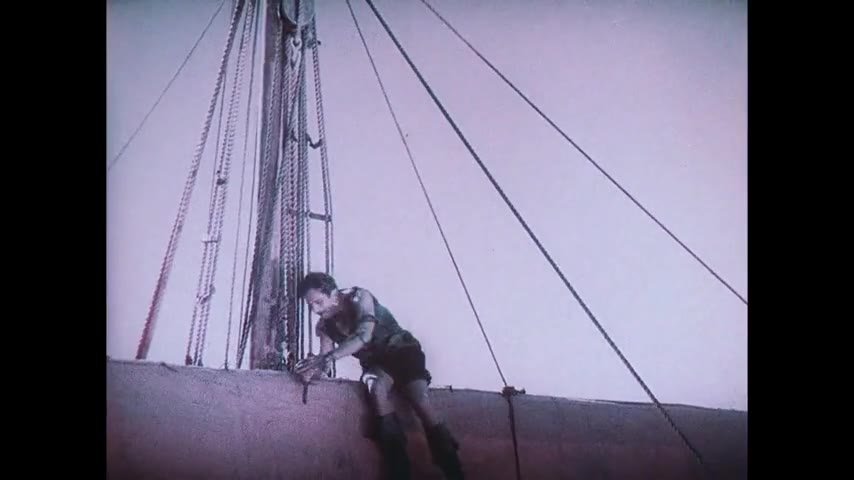
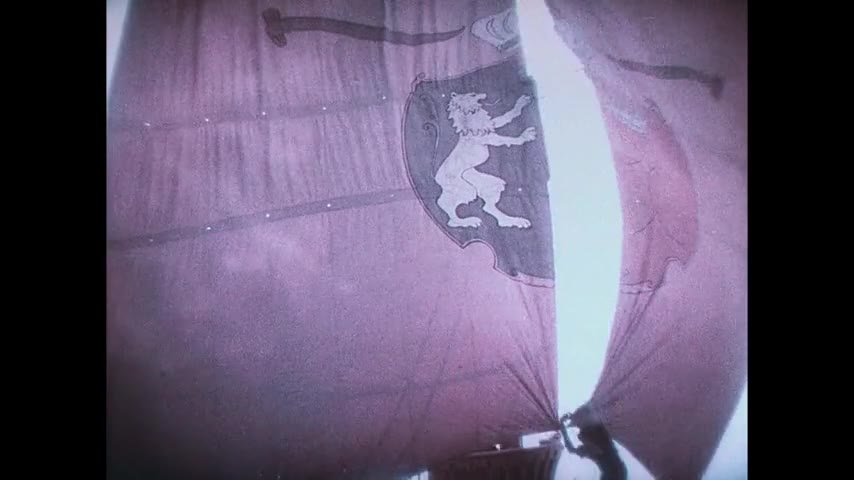
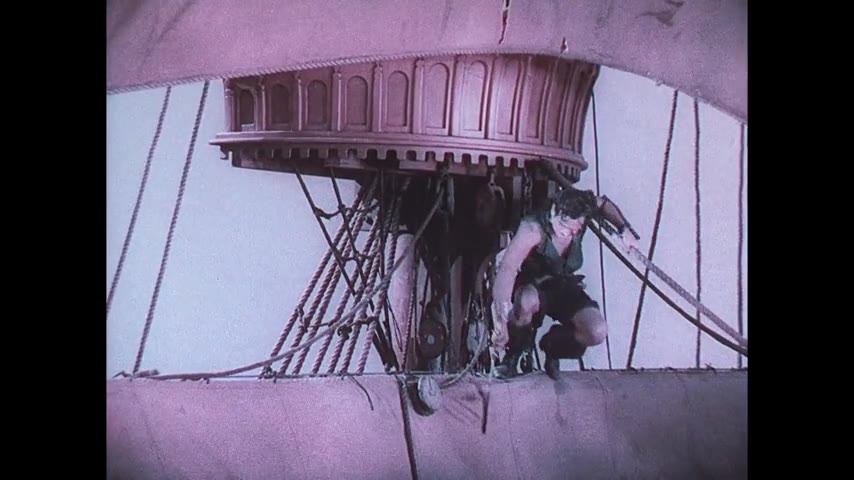
The stunt was faked, brilliantly: the sail was pre-slit, Fairbanks gripped a fixed blade rigged to a hidden pulley-and-counterbalance system his own brother Robert engineered, and his weight on the rig lowered him smoothly to the deck while the canvas tore open around him -- airplane propellers off camera billowed the sails for effect. It's also one of the very first color feature films: shot entirely in an early two-strip Technicolor process, only the third feature ever to use it, requiring two strips of film fused back-to-back, so thick and heat-sensitive the picture would warp out of focus during projection. Fairbanks, in his forties by then, still did the stunt work himself, taping his arms and legs to avoid rope burns.The stunt was faked, brilliantly: the sail was pre-slit, Fairbanks gripped a fixed blade rigged to a hidden pulley-and-counterbalance system his own brother Robert engineered, and his weight on the rig lowered him smoothly to the deck while the canvas tore open around him -- airplane propellers off camera billowed the sails for effect. It's also one of the very first color feature films: shot entirely in an early two-strip Technicolor process, only the third feature ever to use it, requiring two strips of film fused back-to-back, so thick and heat-sensitive the picture would warp out of focus during projection. Fairbanks, in his forties by then, still did the stunt work himself, taping his arms and legs to avoid rope burns.
The stunt was faked, brilliantly: the sail was pre-slit, Fairbanks gripped a fixed blade rigged to a hidden pulley-and-counterbalance system his own brother Robert engineered, and his weight on the rig lowered him smoothly to the deck while the canvas tore open around him -- airplane propellers off camera billowed the sails for effect. It's also one of the very first color feature films: shot entirely in an early two-strip Technicolor process, only the third feature ever to use it, requiring two strips of film fused back-to-back, so thick and heat-sensitive the picture would warp out of focus during projection. Fairbanks, in his forties by then, still did the stunt work himself, taping his arms and legs to avoid rope burns.
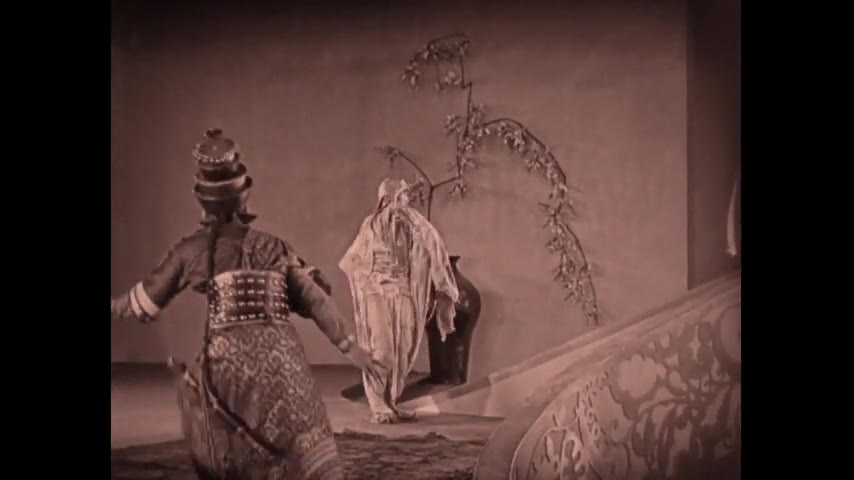
Alla Nazimova produced this herself and, though her husband Charles Bryant received the director's credit, most who worked on it -- and most historians since -- consider Nazimova its real director. A persistent rumor holds she cast the entire production with gay and bisexual performers as a tribute to Oscar Wilde; one extra later said gay cast members were indeed present, just not an unusual number of them, let alone all. Costume and set designer Natacha Rambova built every frame directly from Aubrey Beardsley's scandalous 1890s illustrations for Wilde's play -- the film's own opening credits bill her work as "after Aubrey Beardsley." It flopped on release and effectively ended Nazimova's career as a major studio star; it's since been reclaimed as a cult classic.Alla Nazimova produced this herself and, though her husband Charles Bryant received the director's credit, most who worked on it -- and most historians since -- consider Nazimova its real director. A persistent rumor holds she cast the entire production with gay and bisexual performers as a tribute to Oscar Wilde; one extra later said gay cast members were indeed present, just not an unusual number of them, let alone all. Costume and set designer Natacha Rambova built every frame directly from Aubrey Beardsley's scandalous 1890s illustrations for Wilde's play -- the film's own opening credits bill her work as "after Aubrey Beardsley." It flopped on release and effectively ended Nazimova's career as a major studio star; it's since been reclaimed as a cult classic.
Alla Nazimova produced this herself and, though her husband Charles Bryant received the director's credit, most who worked on it -- and most historians since -- consider Nazimova its real director. A persistent rumor holds she cast the entire production with gay and bisexual performers as a tribute to Oscar Wilde; one extra later said gay cast members were indeed present, just not an unusual number of them, let alone all. Costume and set designer Natacha Rambova built every frame directly from Aubrey Beardsley's scandalous 1890s illustrations for Wilde's play -- the film's own opening credits bill her work as "after Aubrey Beardsley." It flopped on release and effectively ended Nazimova's career as a major studio star; it's since been reclaimed as a cult classic.
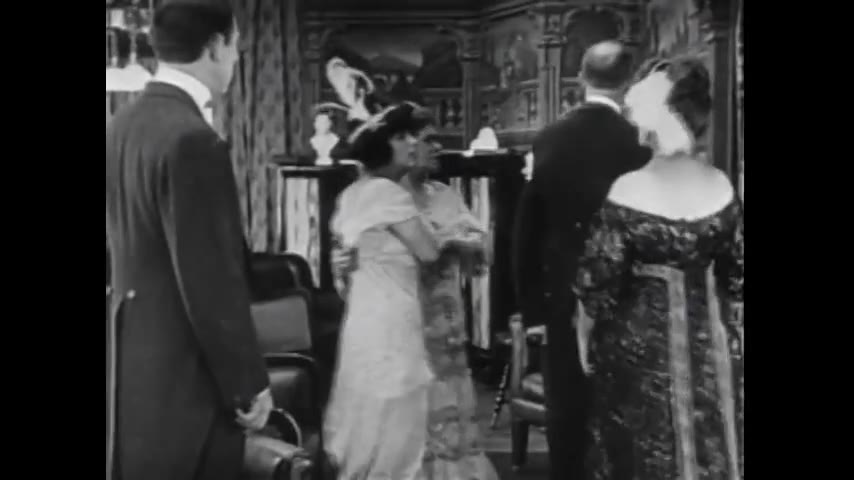
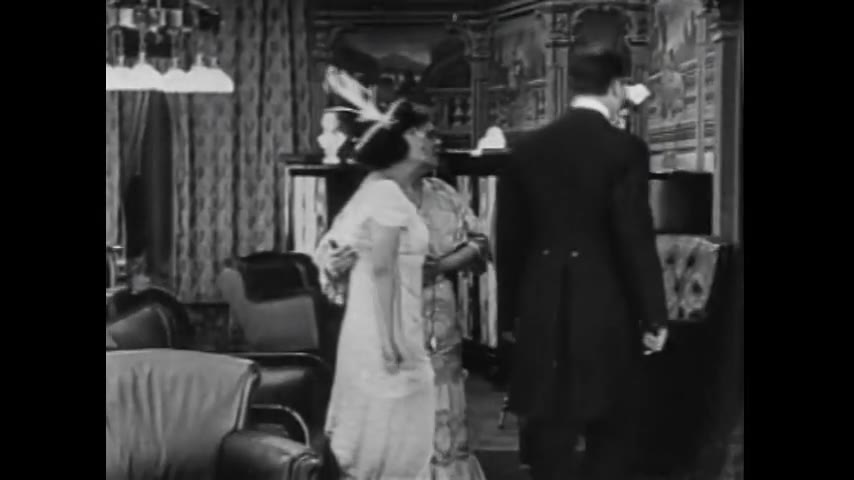
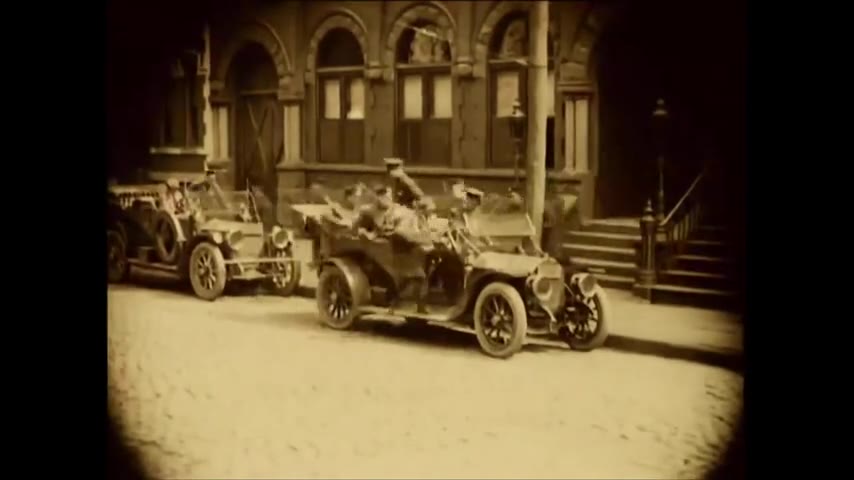
Made for about $5,700 and grossing roughly $450,000, this was the film that established Universal as a major studio. Its plot turns on an early piece of surveillance fiction: the missing girl's father, a deaf inventor, has built a phonographic recording device, and his daughter uses it to secretly capture the trafficking ring's own voices as evidence against them. Marketed as an exposé of the real "white slavery" panic gripping American cities at the time, it was a sensation on release, drawing both audiences and moral reformers -- one of the earliest American feature films built explicitly as a message picture. The Library of Congress added it to the National Film Registry in 2006.Made for about $5,700 and grossing roughly $450,000, this was the film that established Universal as a major studio. Its plot turns on an early piece of surveillance fiction: the missing girl's father, a deaf inventor, has built a phonographic recording device, and his daughter uses it to secretly capture the trafficking ring's own voices as evidence against them. Marketed as an exposé of the real "white slavery" panic gripping American cities at the time, it was a sensation on release, drawing both audiences and moral reformers -- one of the earliest American feature films built explicitly as a message picture. The Library of Congress added it to the National Film Registry in 2006.
Made for about $5,700 and grossing roughly $450,000, this was the film that established Universal as a major studio. Its plot turns on an early piece of surveillance fiction: the missing girl's father, a deaf inventor, has built a phonographic recording device, and his daughter uses it to secretly capture the trafficking ring's own voices as evidence against them. Marketed as an exposé of the real "white slavery" panic gripping American cities at the time, it was a sensation on release, drawing both audiences and moral reformers -- one of the earliest American feature films built explicitly as a message picture. The Library of Congress added it to the National Film Registry in 2006.
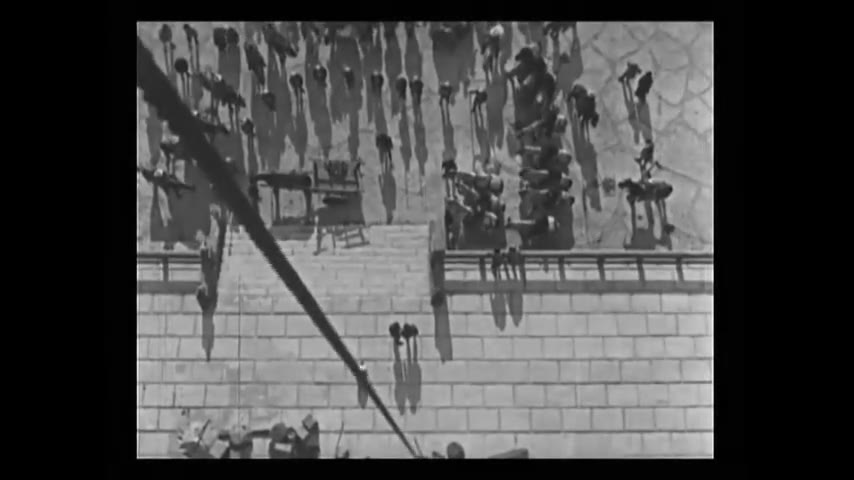
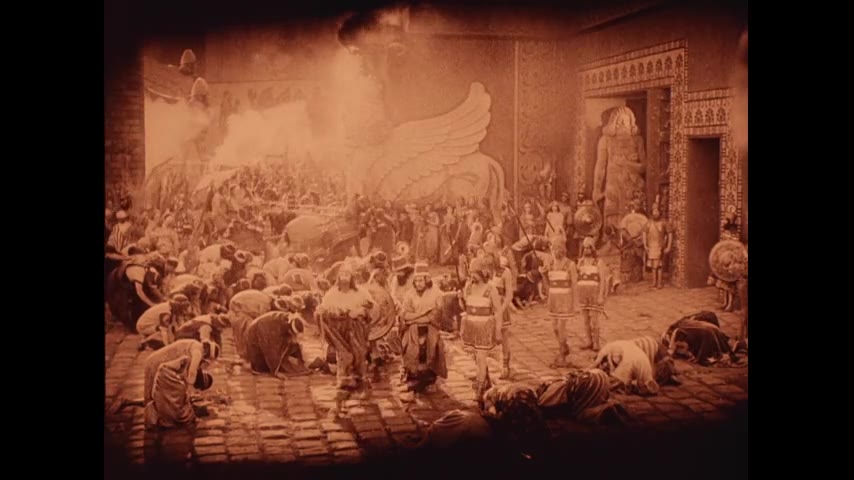
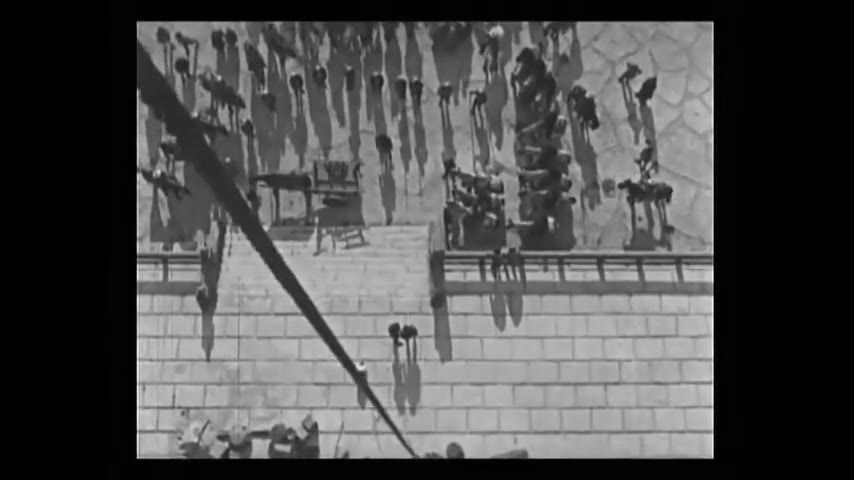
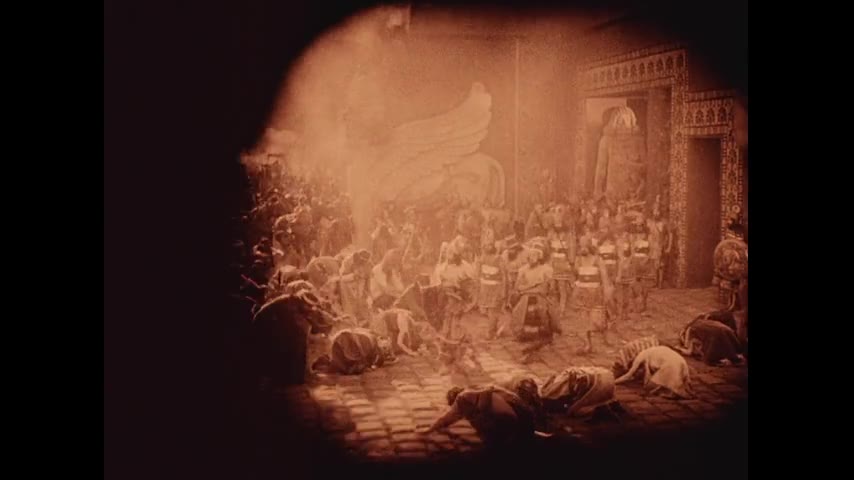
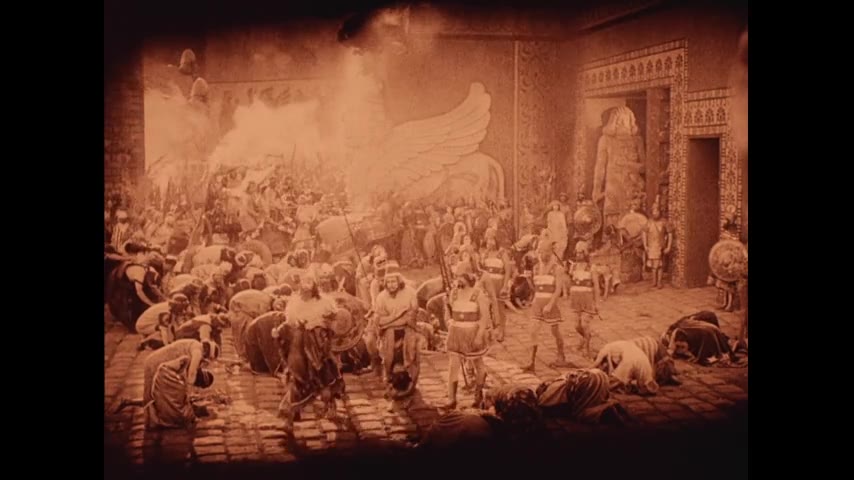
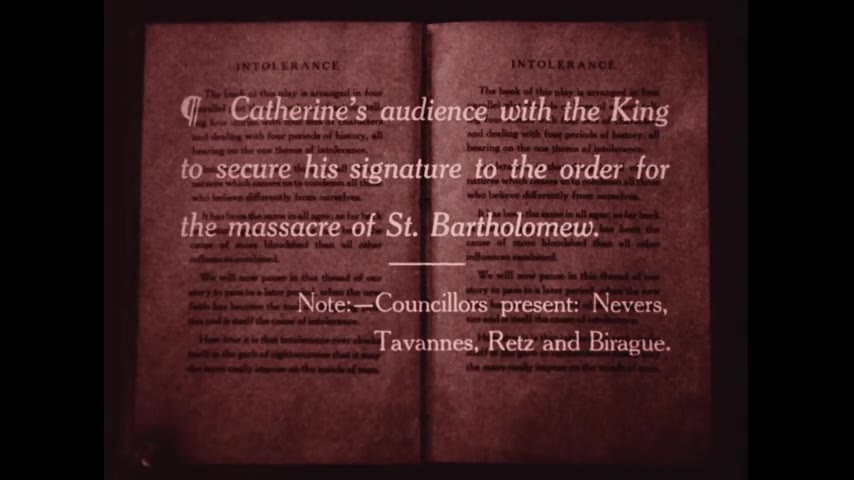
Griffith built this Babylon set to a scale nothing in film had attempted before -- walls and towering statuary reportedly visible for miles across Hollywood, populated with some 3,000 extras for its crowd scenes, standing for years afterward as a local landmark before it was finally torn down. He made the film partly as his answer to the firestorm of criticism over his previous picture, The Birth of a Nation: an epic about the destructive cost of intolerance across four different eras of history, crosscut together in a way virtually no one had tried at feature length before. It was a costly commercial failure on release and contributed to Griffith's later financial troubles, but its editing techniques went on to influence nearly every filmmaker who saw it.Griffith built this Babylon set to a scale nothing in film had attempted before -- walls and towering statuary reportedly visible for miles across Hollywood, populated with some 3,000 extras for its crowd scenes, standing for years afterward as a local landmark before it was finally torn down. He made the film partly as his answer to the firestorm of criticism over his previous picture, The Birth of a Nation: an epic about the destructive cost of intolerance across four different eras of history, crosscut together in a way virtually no one had tried at feature length before. It was a costly commercial failure on release and contributed to Griffith's later financial troubles, but its editing techniques went on to influence nearly every filmmaker who saw it.
Griffith built this Babylon set to a scale nothing in film had attempted before -- walls and towering statuary reportedly visible for miles across Hollywood, populated with some 3,000 extras for its crowd scenes, standing for years afterward as a local landmark before it was finally torn down. He made the film partly as his answer to the firestorm of criticism over his previous picture, The Birth of a Nation: an epic about the destructive cost of intolerance across four different eras of history, crosscut together in a way virtually no one had tried at feature length before. It was a costly commercial failure on release and contributed to Griffith's later financial troubles, but its editing techniques went on to influence nearly every filmmaker who saw it.
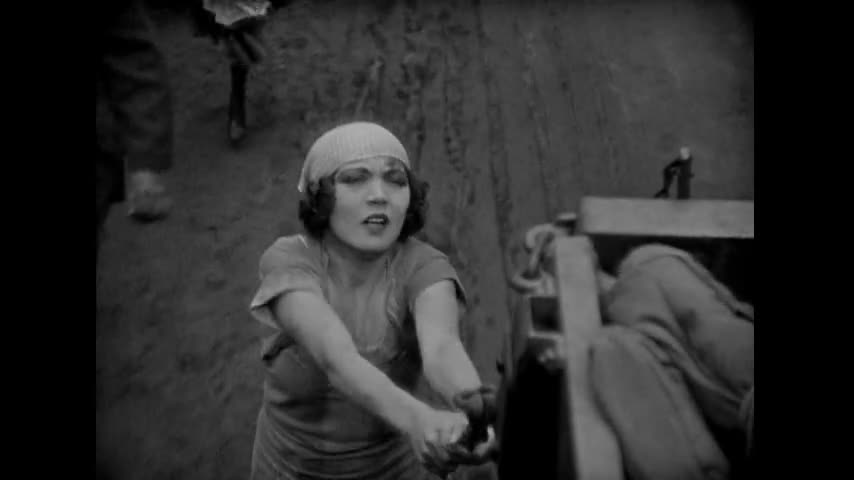
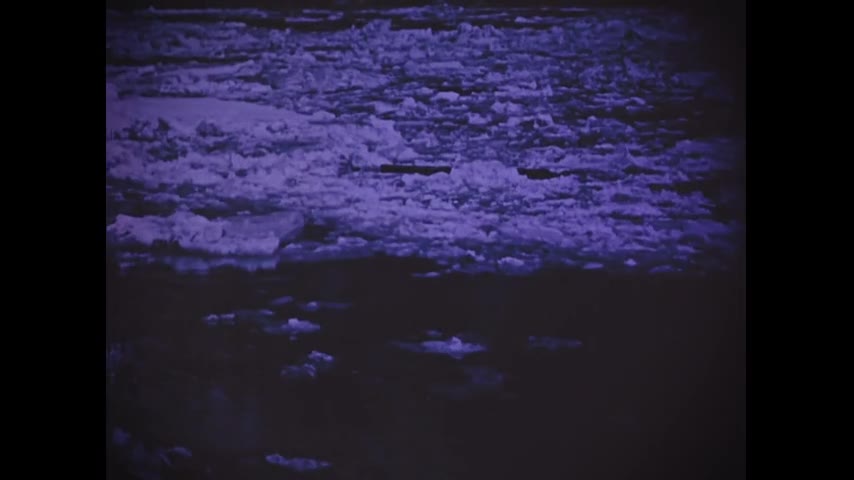
Lillian Gish did her own stunts here, no double, on real breaking ice during a New England blizzard in temperatures below zero -- about twenty takes a day for three weeks left her with frostbitten fingers and nerve damage in the hand she trailed in the freezing water, feeling she said she never fully got back. Griffith himself was frostbitten on one side of his face directing the scene. Gish had spent the weeks beforehand taking daily ice baths and walking the streets coatless to prepare her body for the cold. None of it was faked: the ice really was breaking apart under them as the cameras rolled.Lillian Gish did her own stunts here, no double, on real breaking ice during a New England blizzard in temperatures below zero -- about twenty takes a day for three weeks left her with frostbitten fingers and nerve damage in the hand she trailed in the freezing water, feeling she said she never fully got back. Griffith himself was frostbitten on one side of his face directing the scene. Gish had spent the weeks beforehand taking daily ice baths and walking the streets coatless to prepare her body for the cold. None of it was faked: the ice really was breaking apart under them as the cameras rolled.
Lillian Gish did her own stunts here, no double, on real breaking ice during a New England blizzard in temperatures below zero -- about twenty takes a day for three weeks left her with frostbitten fingers and nerve damage in the hand she trailed in the freezing water, feeling she said she never fully got back. Griffith himself was frostbitten on one side of his face directing the scene. Gish had spent the weeks beforehand taking daily ice baths and walking the streets coatless to prepare her body for the cold. None of it was faked: the ice really was breaking apart under them as the cameras rolled.
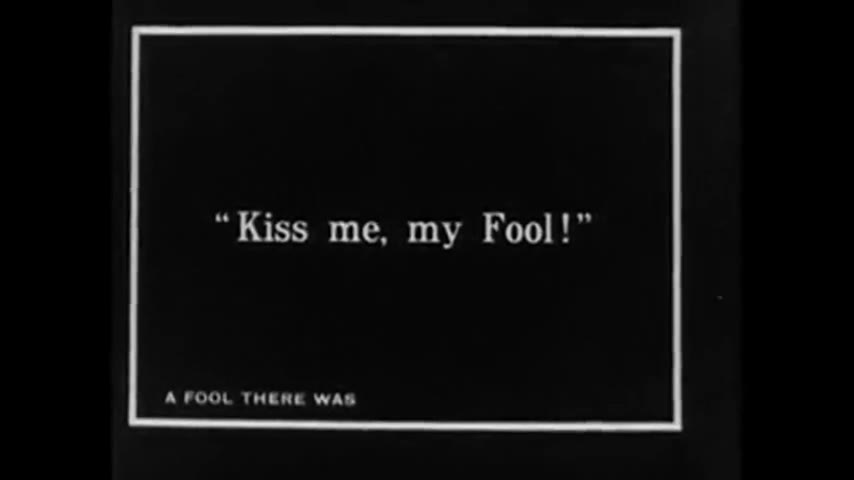
Theda Bara plays "The Vampire" -- never given an actual name -- and the film made her one of the first manufactured movie stars, complete with a fabricated backstory claiming she was born in the shadow of the Sphinx to a French artist and an Arabian princess (she was actually from Cincinnati). Its intertitle "Kiss me, my fool!" became one of the most quoted lines of the silent era, endlessly repeated and misquoted as "kiss me, you fool" for decades after. The film adapts a 1909 Broadway play, itself inspired by Rudyard Kipling's poem "The Vampire," and it's largely responsible for popularizing the word "vamp" as shorthand for a seductive femme fatale.Theda Bara plays "The Vampire" -- never given an actual name -- and the film made her one of the first manufactured movie stars, complete with a fabricated backstory claiming she was born in the shadow of the Sphinx to a French artist and an Arabian princess (she was actually from Cincinnati). Its intertitle "Kiss me, my fool!" became one of the most quoted lines of the silent era, endlessly repeated and misquoted as "kiss me, you fool" for decades after. The film adapts a 1909 Broadway play, itself inspired by Rudyard Kipling's poem "The Vampire," and it's largely responsible for popularizing the word "vamp" as shorthand for a seductive femme fatale.
Theda Bara plays "The Vampire" -- never given an actual name -- and the film made her one of the first manufactured movie stars, complete with a fabricated backstory claiming she was born in the shadow of the Sphinx to a French artist and an Arabian princess (she was actually from Cincinnati). Its intertitle "Kiss me, my fool!" became one of the most quoted lines of the silent era, endlessly repeated and misquoted as "kiss me, you fool" for decades after. The film adapts a 1909 Broadway play, itself inspired by Rudyard Kipling's poem "The Vampire," and it's largely responsible for popularizing the word "vamp" as shorthand for a seductive femme fatale.
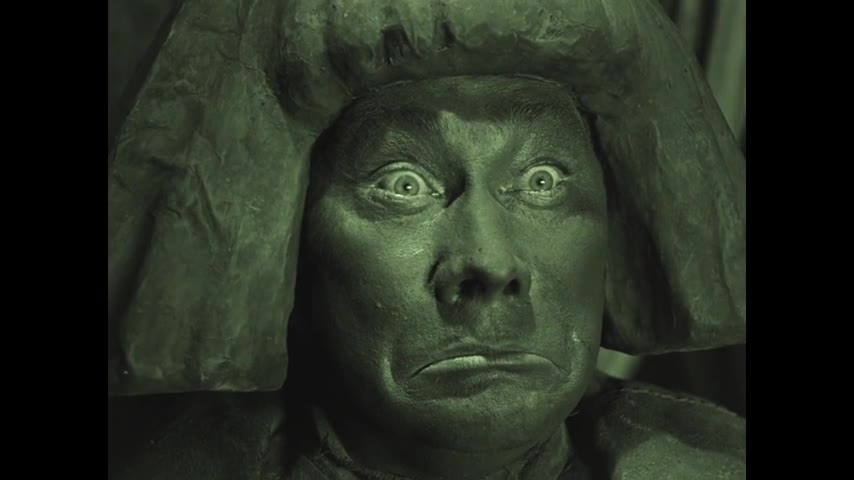
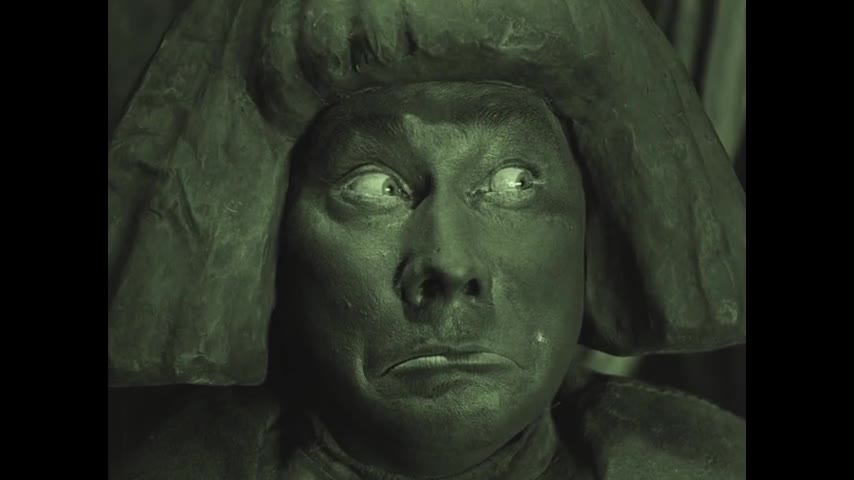
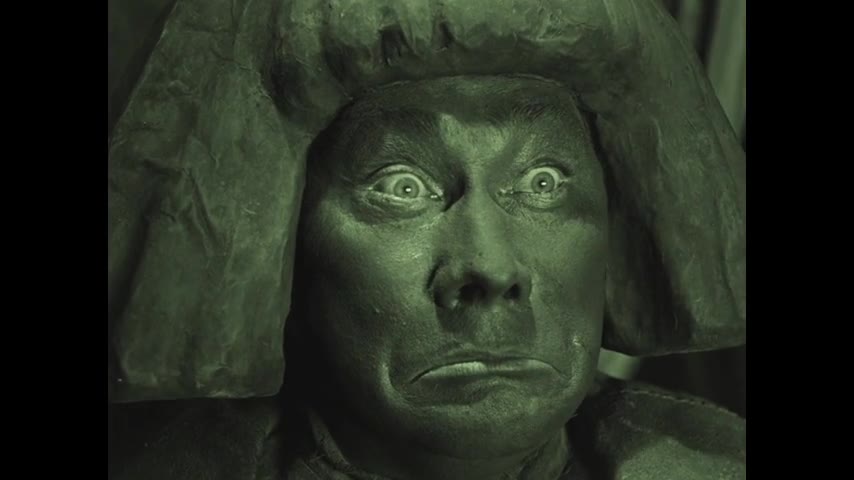
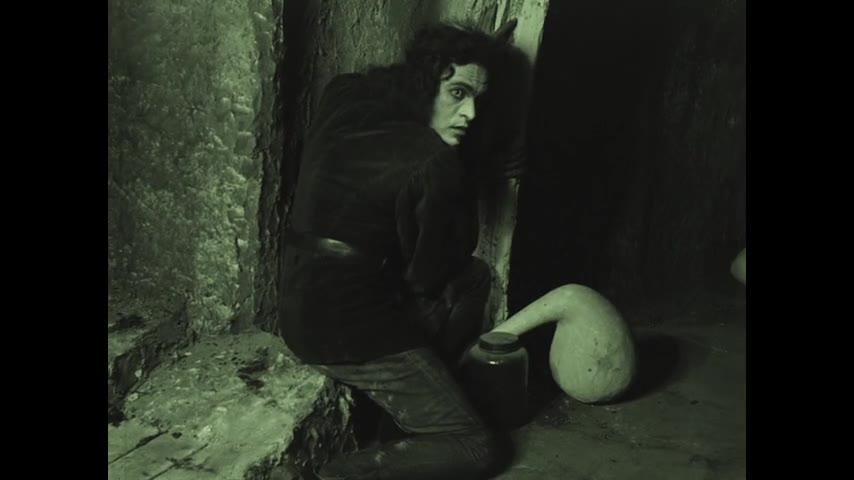
Paul Wegener not only co-directed but plays the Golem himself, under makeup and a heavy clay-textured suit designed by Expressionist architect Hans Poelzig. The film is a prequel to two earlier Golem films Wegener had already made and lost, and it's the one that survives complete. Its blocky, jagged medieval-ghetto sets and the Golem's own lumbering, silent menace fed directly into Hollywood horror a decade later -- Boris Karloff's Frankenstein's Monster owes a visible debt to Wegener's performance and silhouette.Paul Wegener not only co-directed but plays the Golem himself, under makeup and a heavy clay-textured suit designed by Expressionist architect Hans Poelzig. The film is a prequel to two earlier Golem films Wegener had already made and lost, and it's the one that survives complete. Its blocky, jagged medieval-ghetto sets and the Golem's own lumbering, silent menace fed directly into Hollywood horror a decade later -- Boris Karloff's Frankenstein's Monster owes a visible debt to Wegener's performance and silhouette.
Paul Wegener, Carl Boese — Germany — Horror / Fantasy
"Aemaet" -- the Golem opens its eyes
Paul Wegener not only co-directed but plays the Golem himself, under makeup and a heavy clay-textured suit designed by Expressionist architect Hans Poelzig. The film is a prequel to two earlier Golem films Wegener had already made and lost, and it's the one that survives complete. Its blocky, jagged medieval-ghetto sets and the Golem's own lumbering, silent menace fed directly into Hollywood horror a decade later -- Boris Karloff's Frankenstein's Monster owes a visible debt to Wegener's performance and silhouette.
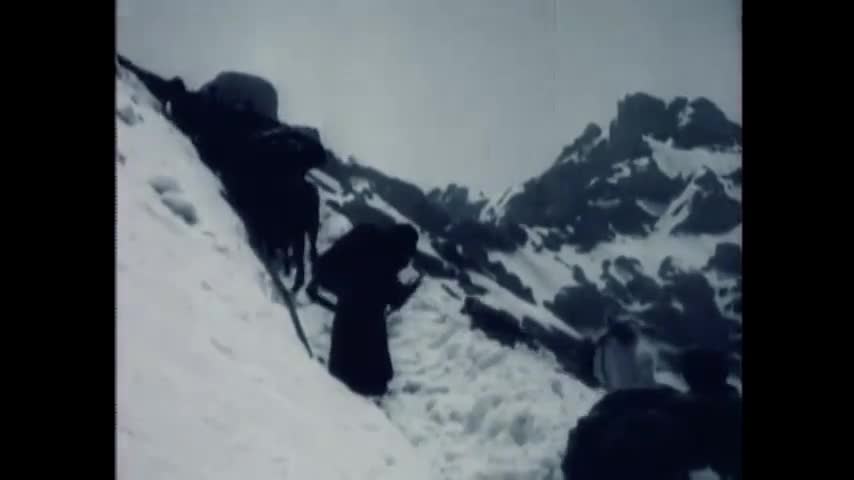
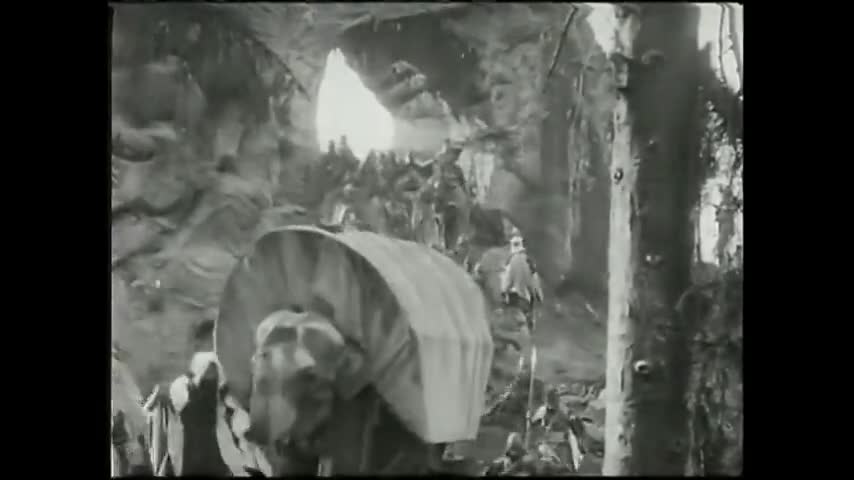
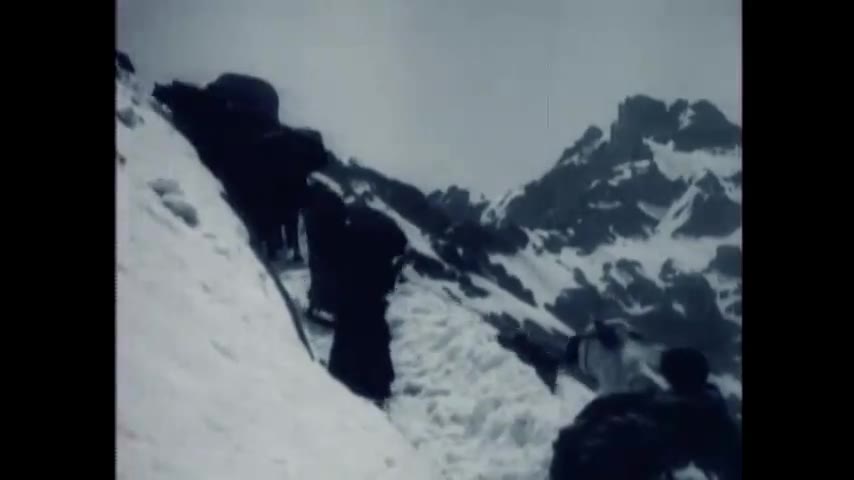
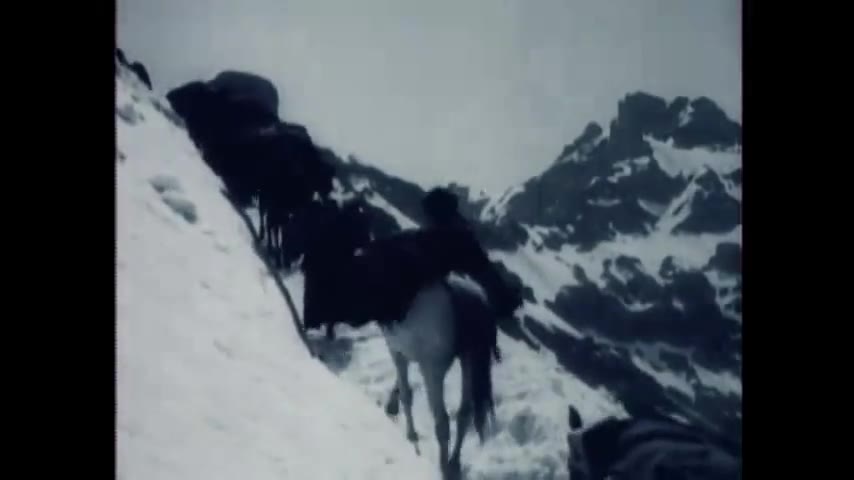
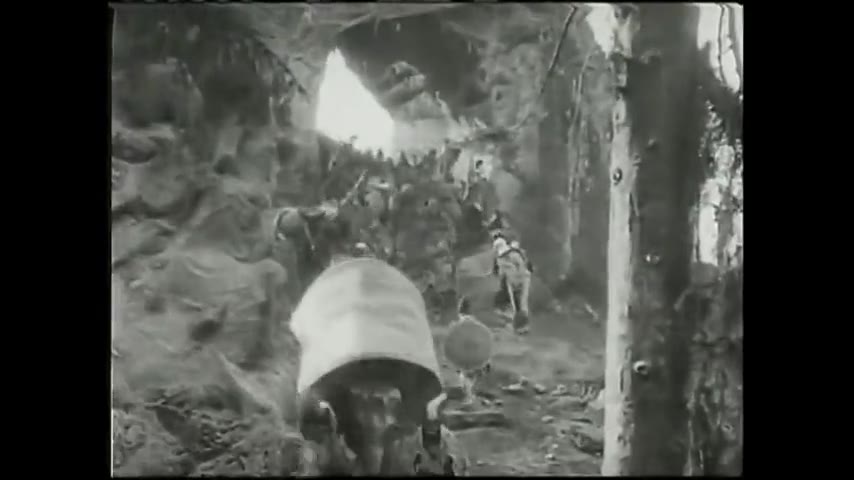
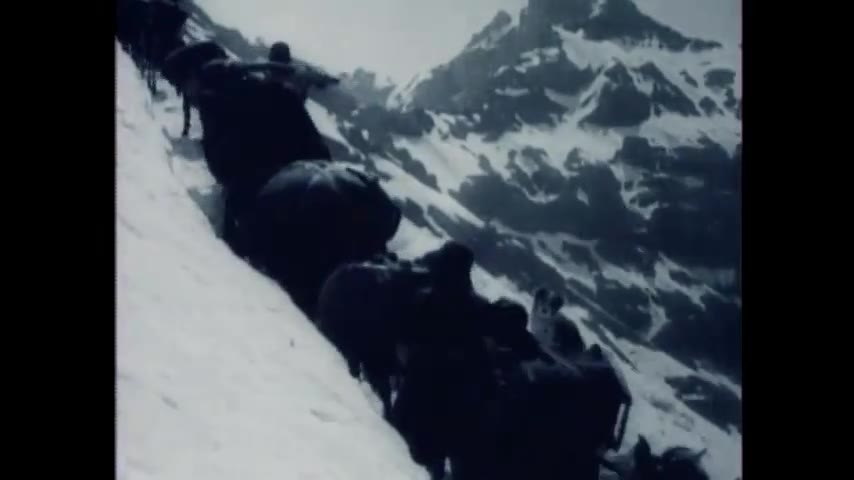
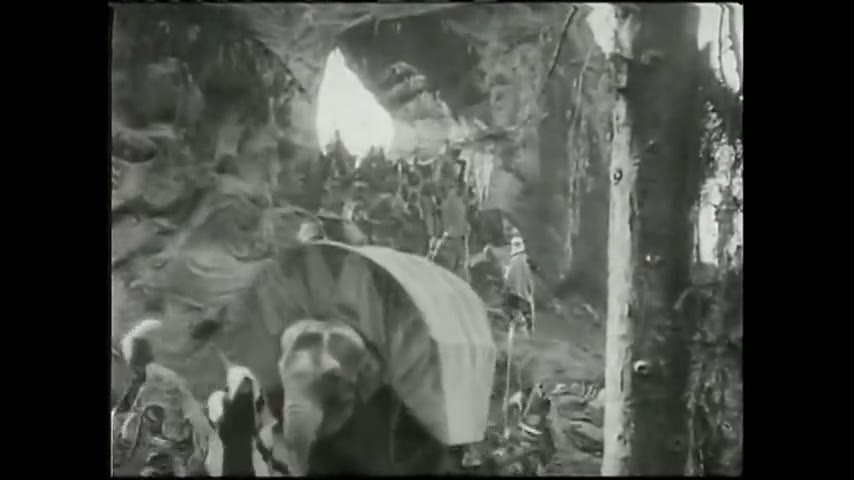
Cooper and Schoedsack shot this with no actors, no script, and barely any budget, following the Bakhtiari people of Persia on their real, brutal migration over the Zagros Mountains in search of grazing land -- fording an icy river and then climbing an near-vertical, snowbound pass, on foot, with their herds. The two filmmakers were so taken with adventure filmmaking after this that they went on to make King Kong together eight years later. Grass is now preserved in the National Film Registry as one of the earliest feature-length documentaries.Cooper and Schoedsack shot this with no actors, no script, and barely any budget, following the Bakhtiari people of Persia on their real, brutal migration over the Zagros Mountains in search of grazing land -- fording an icy river and then climbing an near-vertical, snowbound pass, on foot, with their herds. The two filmmakers were so taken with adventure filmmaking after this that they went on to make King Kong together eight years later. Grass is now preserved in the National Film Registry as one of the earliest feature-length documentaries.
Merian C. Cooper, Ernest B. Schoedsack — USA — Documentary
"Zardeh Kuh is conquered!"
Cooper and Schoedsack shot this with no actors, no script, and barely any budget, following the Bakhtiari people of Persia on their real, brutal migration over the Zagros Mountains in search of grazing land -- fording an icy river and then climbing an near-vertical, snowbound pass, on foot, with their herds. The two filmmakers were so taken with adventure filmmaking after this that they went on to make King Kong together eight years later. Grass is now preserved in the National Film Registry as one of the earliest feature-length documentaries.
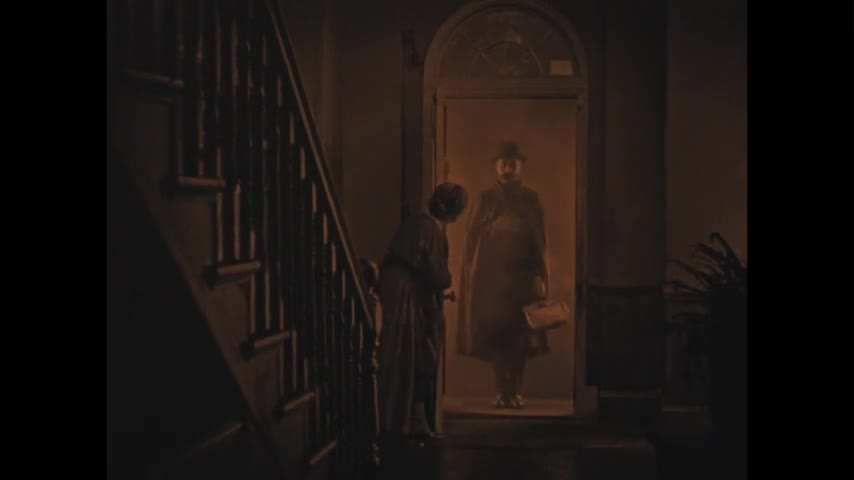
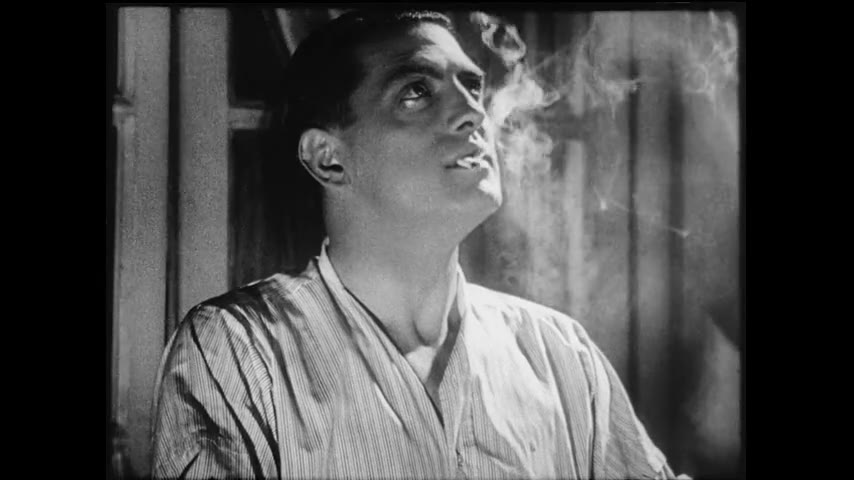
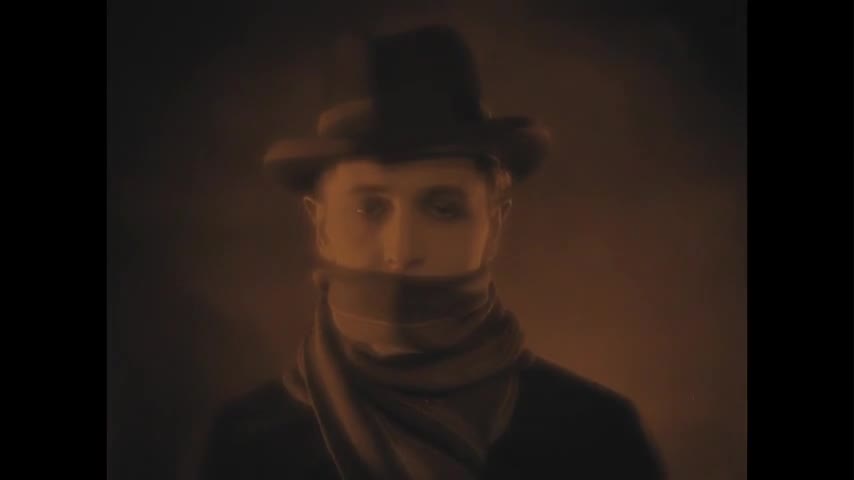
Hitchcock always called this his first true film -- the first to show "the Hitchcock touch." He was 27, working from a novel loosely inspired by Jack the Ripper, and already reaching for the visual tricks that would define his career: a glass floor built into the set so the camera could look straight up through the ceiling at the lodger's pacing feet, and a wrongly-suspected man at the center of the plot, a theme Hitchcock would return to again and again over the next five decades. Star Ivor Novello was already a matinee idol, which forced the studio to soften the ending so its heartthrob couldn't turn out to be the killer.Hitchcock always called this his first true film -- the first to show "the Hitchcock touch." He was 27, working from a novel loosely inspired by Jack the Ripper, and already reaching for the visual tricks that would define his career: a glass floor built into the set so the camera could look straight up through the ceiling at the lodger's pacing feet, and a wrongly-suspected man at the center of the plot, a theme Hitchcock would return to again and again over the next five decades. Star Ivor Novello was already a matinee idol, which forced the studio to soften the ending so its heartthrob couldn't turn out to be the killer.
Hitchcock always called this his first true film -- the first to show "the Hitchcock touch." He was 27, working from a novel loosely inspired by Jack the Ripper, and already reaching for the visual tricks that would define his career: a glass floor built into the set so the camera could look straight up through the ceiling at the lodger's pacing feet, and a wrongly-suspected man at the center of the plot, a theme Hitchcock would return to again and again over the next five decades. Star Ivor Novello was already a matinee idol, which forced the studio to soften the ending so its heartthrob couldn't turn out to be the killer.
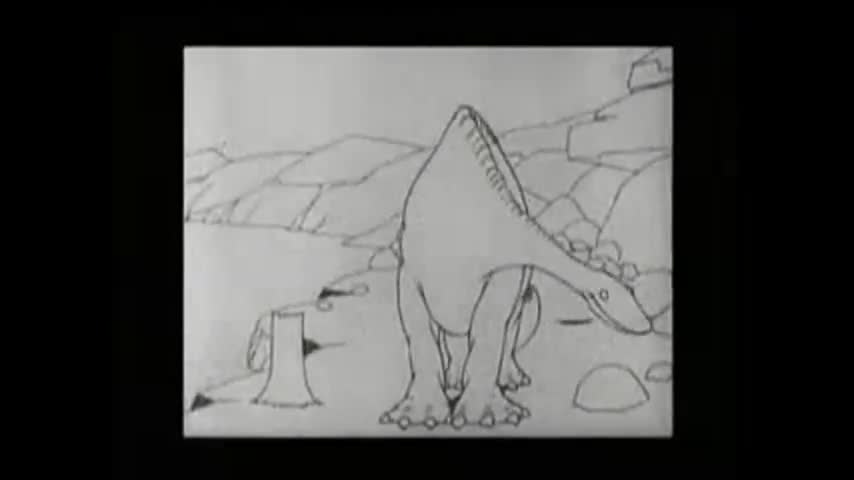
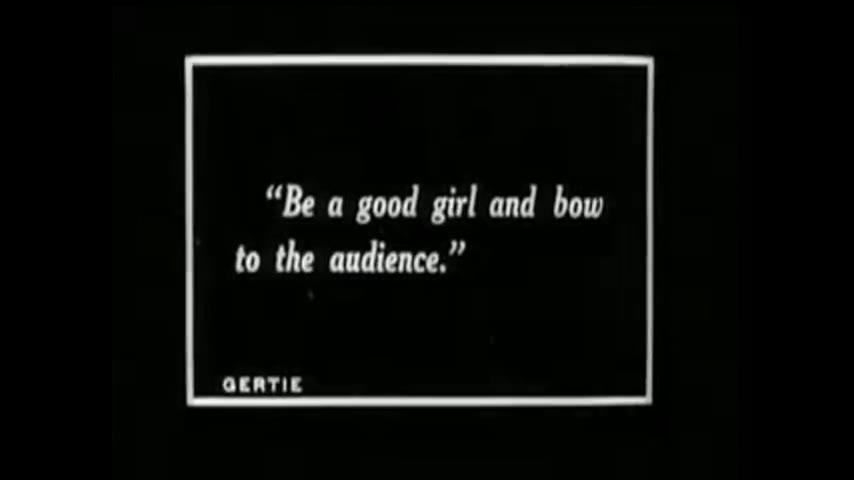
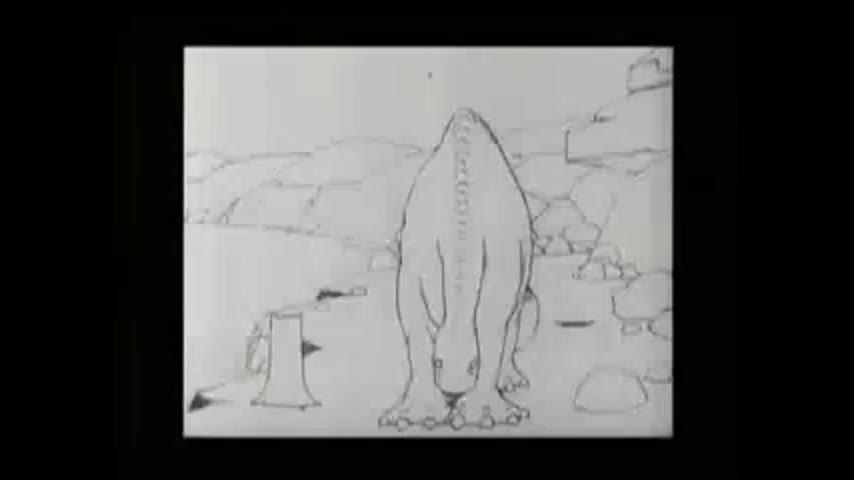
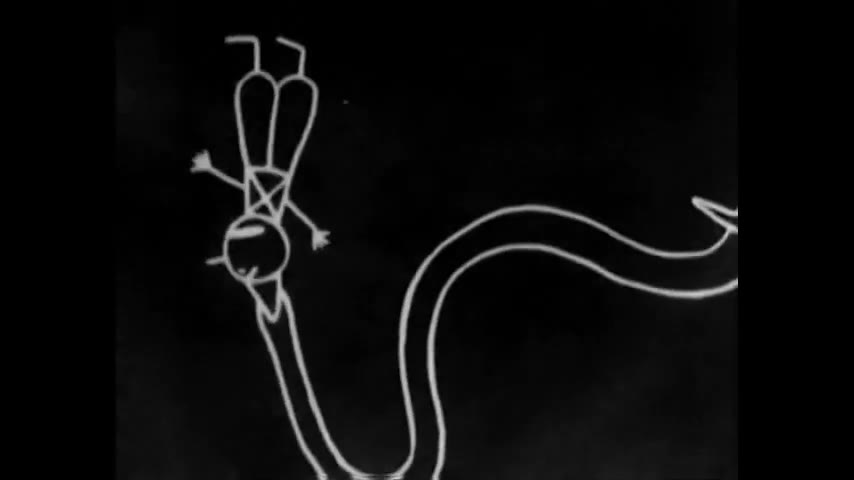
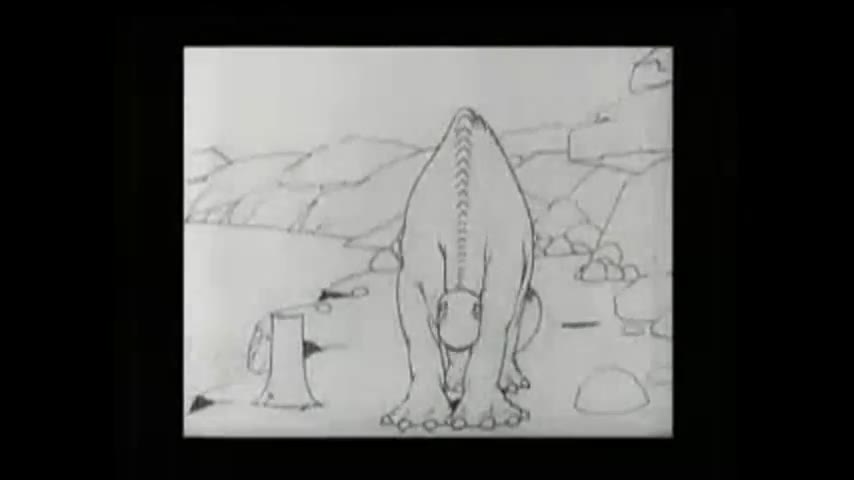
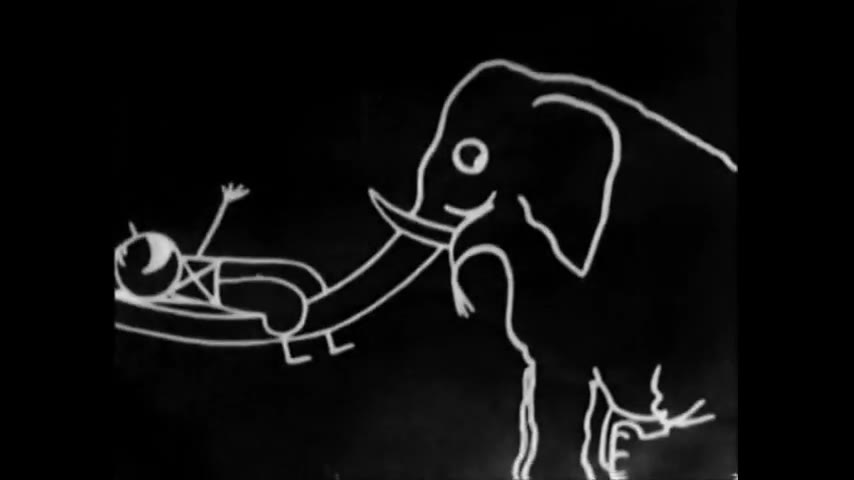
McCay, already famous for the comic strip Little Nemo, hand-drew every one of Gertie's roughly 10,000 frames himself and originally performed the film live on vaudeville stages, standing beside the screen with a whip, "commanding" Gertie to bow, dance, and cry on cue as if she were really responding to him. She was the first animated character ever given a distinct, appealing personality rather than just a gag-delivery device, which makes Gertie the direct ancestor of every cartoon character with a face audiences actually cared about, from Mickey Mouse onward.McCay, already famous for the comic strip Little Nemo, hand-drew every one of Gertie's roughly 10,000 frames himself and originally performed the film live on vaudeville stages, standing beside the screen with a whip, "commanding" Gertie to bow, dance, and cry on cue as if she were really responding to him. She was the first animated character ever given a distinct, appealing personality rather than just a gag-delivery device, which makes Gertie the direct ancestor of every cartoon character with a face audiences actually cared about, from Mickey Mouse onward.
McCay, already famous for the comic strip Little Nemo, hand-drew every one of Gertie's roughly 10,000 frames himself and originally performed the film live on vaudeville stages, standing beside the screen with a whip, "commanding" Gertie to bow, dance, and cry on cue as if she were really responding to him. She was the first animated character ever given a distinct, appealing personality rather than just a gag-delivery device, which makes Gertie the direct ancestor of every cartoon character with a face audiences actually cared about, from Mickey Mouse onward.
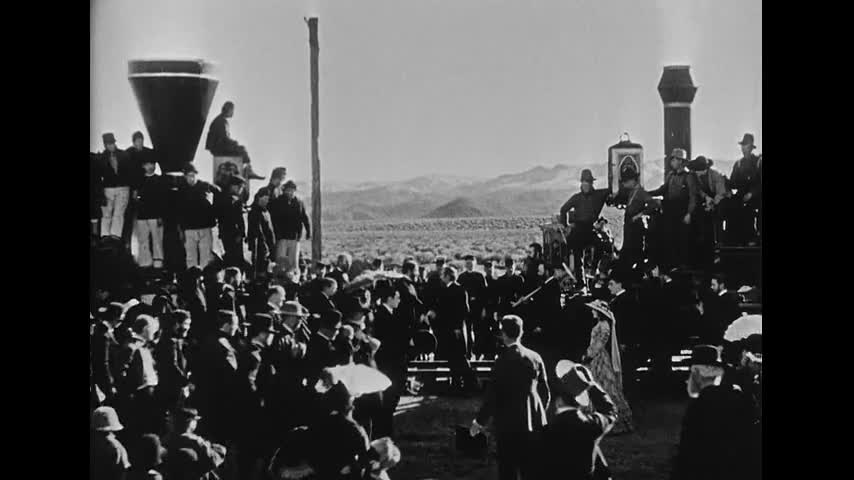
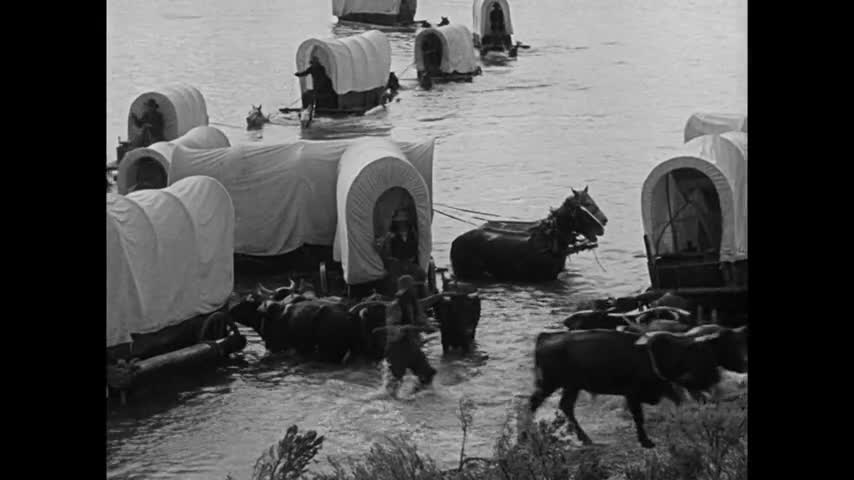
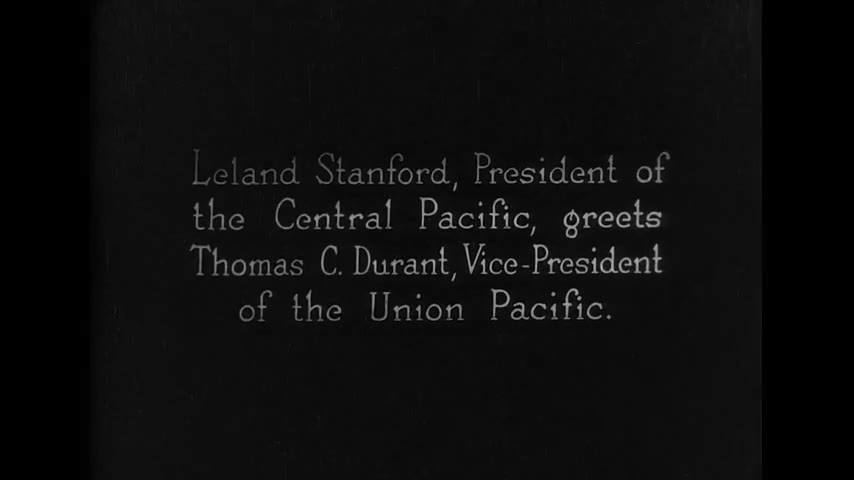
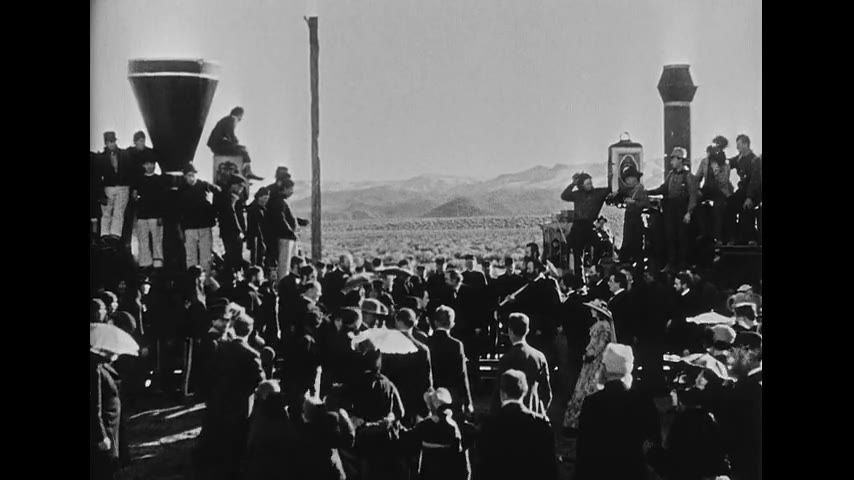
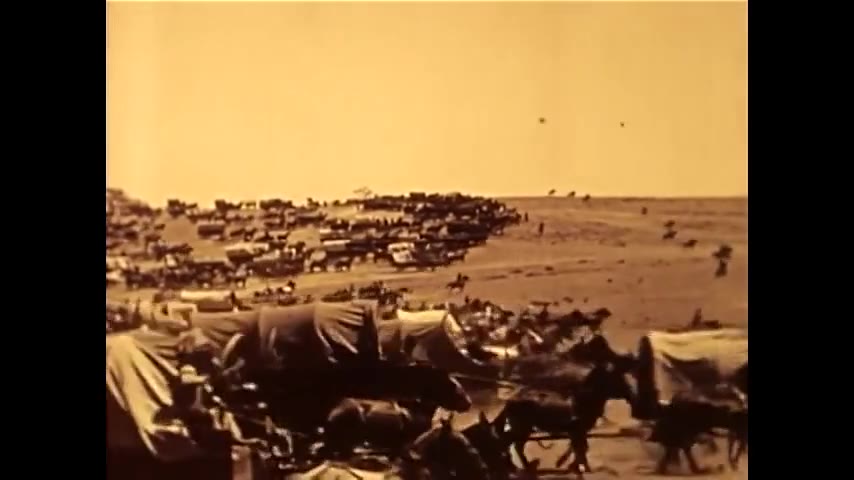
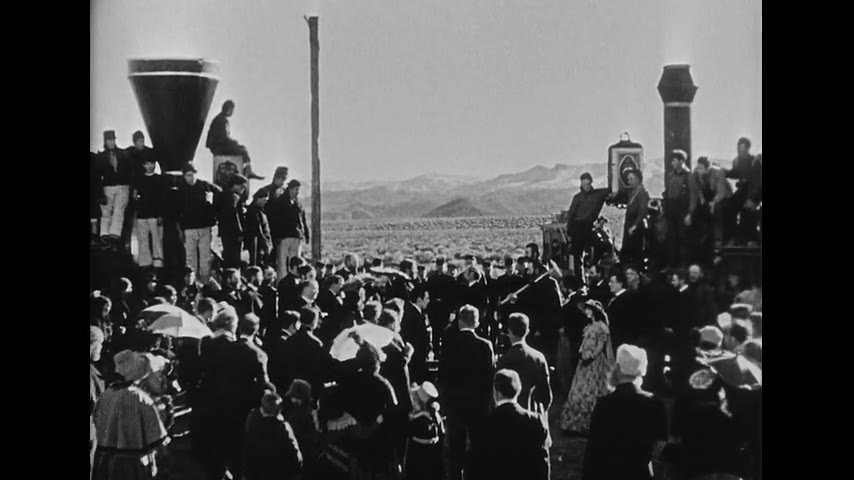
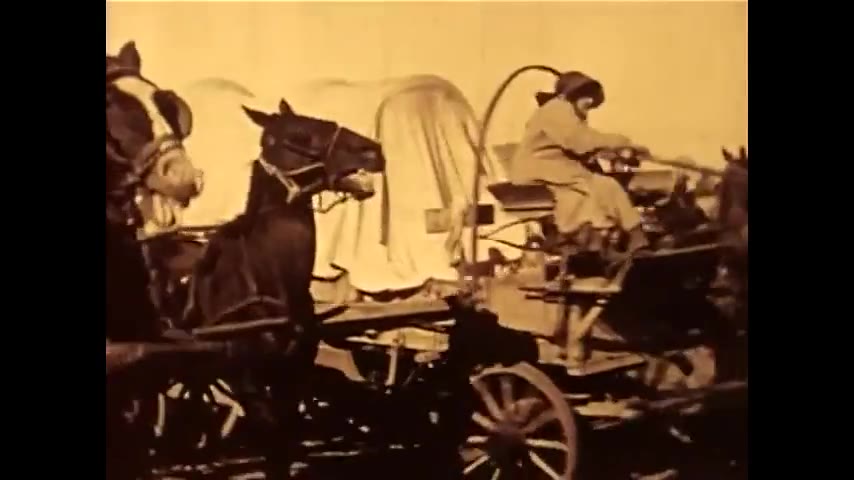
This was John Ford's first big-budget epic, made when he was still in his twenties, and Fox threw real resources at it: thousands of extras, cavalry, Chinese and Irish laborers, herds of buffalo, and two replica locomotives built to match the original Jupiter and No. 119 engines down to the rivets. Ford shot much of it on location in the Nevada desert in brutal winter conditions, and the finished film helped define the Western epic as a genre a full generation before Ford's own Stagecoach.This was John Ford's first big-budget epic, made when he was still in his twenties, and Fox threw real resources at it: thousands of extras, cavalry, Chinese and Irish laborers, herds of buffalo, and two replica locomotives built to match the original Jupiter and No. 119 engines down to the rivets. Ford shot much of it on location in the Nevada desert in brutal winter conditions, and the finished film helped define the Western epic as a genre a full generation before Ford's own Stagecoach.
This was John Ford's first big-budget epic, made when he was still in his twenties, and Fox threw real resources at it: thousands of extras, cavalry, Chinese and Irish laborers, herds of buffalo, and two replica locomotives built to match the original Jupiter and No. 119 engines down to the rivets. Ford shot much of it on location in the Nevada desert in brutal winter conditions, and the finished film helped define the Western epic as a genre a full generation before Ford's own Stagecoach.
Wings won the first-ever Academy Award for Best Picture and remains the only fully silent film to do so. Director William Wellman, a World War I combat pilot himself, insisted on shooting real aerial combat with cameras mounted directly on the planes rather than using models, which meant training his stars, including Clara Bow and a young, then-unknown Gary Cooper in a small early role, to fly. The production borrowed actual Army Air Corps pilots and aircraft, and several stunt fliers were injured during filming chasing shots no one had attempted before.Wings won the first-ever Academy Award for Best Picture and remains the only fully silent film to do so. Director William Wellman, a World War I combat pilot himself, insisted on shooting real aerial combat with cameras mounted directly on the planes rather than using models, which meant training his stars, including Clara Bow and a young, then-unknown Gary Cooper in a small early role, to fly. The production borrowed actual Army Air Corps pilots and aircraft, and several stunt fliers were injured during filming chasing shots no one had attempted before.
Wings won the first-ever Academy Award for Best Picture and remains the only fully silent film to do so. Director William Wellman, a World War I combat pilot himself, insisted on shooting real aerial combat with cameras mounted directly on the planes rather than using models, which meant training his stars, including Clara Bow and a young, then-unknown Gary Cooper in a small early role, to fly. The production borrowed actual Army Air Corps pilots and aircraft, and several stunt fliers were injured during filming chasing shots no one had attempted before.
The Covered Wagon was the picture that proved the Western could be an event, not just a two-reel programmer. Paramount sent director James Cruze and a full production unit deep into Utah and Nevada to shoot with real wagon trains, real livestock, and hundreds of extras fording an actual river rather than a studio tank, and audiences in 1923 had never seen anything like it. It became one of the biggest box-office hits of the silent era and set the template every big-budget Western since, from Wagon Master to Red River, has followed.The Covered Wagon was the picture that proved the Western could be an event, not just a two-reel programmer. Paramount sent director James Cruze and a full production unit deep into Utah and Nevada to shoot with real wagon trains, real livestock, and hundreds of extras fording an actual river rather than a studio tank, and audiences in 1923 had never seen anything like it. It became one of the biggest box-office hits of the silent era and set the template every big-budget Western since, from Wagon Master to Red River, has followed.
The Covered Wagon was the picture that proved the Western could be an event, not just a two-reel programmer. Paramount sent director James Cruze and a full production unit deep into Utah and Nevada to shoot with real wagon trains, real livestock, and hundreds of extras fording an actual river rather than a studio tank, and audiences in 1923 had never seen anything like it. It became one of the biggest box-office hits of the silent era and set the template every big-budget Western since, from Wagon Master to Red River, has followed.
The Big Parade was the film that made King Vidor a top-tier director and John Gilbert a superstar, and it stayed MGM's highest-grossing silent picture for years. Vidor shot the farewell sequence, a French village girl clinging to a departing supply truck as her soldier sweetheart is hauled away to the front, almost entirely with actors and extras rather than trick photography, and it became one of the most reproduced images of the silent era. The film's unsentimental battle scenes, filmed with Army cooperation and real veterans as extras, were as influential on later war pictures as its romance was on every farewell scene that followed.The Big Parade was the film that made King Vidor a top-tier director and John Gilbert a superstar, and it stayed MGM's highest-grossing silent picture for years. Vidor shot the farewell sequence, a French village girl clinging to a departing supply truck as her soldier sweetheart is hauled away to the front, almost entirely with actors and extras rather than trick photography, and it became one of the most reproduced images of the silent era. The film's unsentimental battle scenes, filmed with Army cooperation and real veterans as extras, were as influential on later war pictures as its romance was on every farewell scene that followed.
The Big Parade was the film that made King Vidor a top-tier director and John Gilbert a superstar, and it stayed MGM's highest-grossing silent picture for years. Vidor shot the farewell sequence, a French village girl clinging to a departing supply truck as her soldier sweetheart is hauled away to the front, almost entirely with actors and extras rather than trick photography, and it became one of the most reproduced images of the silent era. The film's unsentimental battle scenes, filmed with Army cooperation and real veterans as extras, were as influential on later war pictures as its romance was on every farewell scene that followed.
This is the first-ever film adaptation of Frankenstein, made by Thomas Edison's own studio just twelve years after cinema itself was born. Director J. Searle Dawley created the monster's creation scene by burning a papier-mache dummy in a controlled fire and filming it, then running that footage in reverse, so the creature appears to assemble itself out of smoke and flame rather than fall apart. It's one of the earliest documented in-camera special effects in film history, and the only surviving print for decades was a private collector's copy, not rediscovered by the public until the 1970s.This is the first-ever film adaptation of Frankenstein, made by Thomas Edison's own studio just twelve years after cinema itself was born. Director J. Searle Dawley created the monster's creation scene by burning a papier-mache dummy in a controlled fire and filming it, then running that footage in reverse, so the creature appears to assemble itself out of smoke and flame rather than fall apart. It's one of the earliest documented in-camera special effects in film history, and the only surviving print for decades was a private collector's copy, not rediscovered by the public until the 1970s.
This is the first-ever film adaptation of Frankenstein, made by Thomas Edison's own studio just twelve years after cinema itself was born. Director J. Searle Dawley created the monster's creation scene by burning a papier-mache dummy in a controlled fire and filming it, then running that footage in reverse, so the creature appears to assemble itself out of smoke and flame rather than fall apart. It's one of the earliest documented in-camera special effects in film history, and the only surviving print for decades was a private collector's copy, not rediscovered by the public until the 1970s.
He Who Gets Slapped was the very first film released by the newly formed Metro-Goldwyn-Mayer, and it made Lon Chaney one of the studio's defining stars before he ever put on the makeup he's best remembered for. Chaney plays a humiliated scientist who reinvents himself as a circus clown whose entire act is being slapped in the face by his fellow performers while the audience howls, a running bit that Chaney plays as pure showmanship on the surface and quiet devastation underneath. The image of the laughing-on-the-outside tragic clown, endlessly reproduced since, traces directly back to this performance.He Who Gets Slapped was the very first film released by the newly formed Metro-Goldwyn-Mayer, and it made Lon Chaney one of the studio's defining stars before he ever put on the makeup he's best remembered for. Chaney plays a humiliated scientist who reinvents himself as a circus clown whose entire act is being slapped in the face by his fellow performers while the audience howls, a running bit that Chaney plays as pure showmanship on the surface and quiet devastation underneath. The image of the laughing-on-the-outside tragic clown, endlessly reproduced since, traces directly back to this performance.
He Who Gets Slapped was the very first film released by the newly formed Metro-Goldwyn-Mayer, and it made Lon Chaney one of the studio's defining stars before he ever put on the makeup he's best remembered for. Chaney plays a humiliated scientist who reinvents himself as a circus clown whose entire act is being slapped in the face by his fellow performers while the audience howls, a running bit that Chaney plays as pure showmanship on the surface and quiet devastation underneath. The image of the laughing-on-the-outside tragic clown, endlessly reproduced since, traces directly back to this performance.
Seven Chances closes with one of the most celebrated physical sequences in silent comedy: Buster Keaton, fleeing an ever-growing mob, stumbles into a real avalanche of boulders and has to outrun them down an actual hillside. Keaton did the stunt himself with no safety rigging, dodging a mix of real rocks and oversized papier-mache boulders built to roll convincingly at speed, and the sequence was reportedly added only after a test screening got a bigger laugh from an accidental rockslide than anything else in the film. It's been cited by directors from Jackie Chan to Edgar Wright as a benchmark for what practical stunt comedy can do.Seven Chances closes with one of the most celebrated physical sequences in silent comedy: Buster Keaton, fleeing an ever-growing mob, stumbles into a real avalanche of boulders and has to outrun them down an actual hillside. Keaton did the stunt himself with no safety rigging, dodging a mix of real rocks and oversized papier-mache boulders built to roll convincingly at speed, and the sequence was reportedly added only after a test screening got a bigger laugh from an accidental rockslide than anything else in the film. It's been cited by directors from Jackie Chan to Edgar Wright as a benchmark for what practical stunt comedy can do.
Seven Chances closes with one of the most celebrated physical sequences in silent comedy: Buster Keaton, fleeing an ever-growing mob, stumbles into a real avalanche of boulders and has to outrun them down an actual hillside. Keaton did the stunt himself with no safety rigging, dodging a mix of real rocks and oversized papier-mache boulders built to roll convincingly at speed, and the sequence was reportedly added only after a test screening got a bigger laugh from an accidental rockslide than anything else in the film. It's been cited by directors from Jackie Chan to Edgar Wright as a benchmark for what practical stunt comedy can do.
Man with a Movie Camera is a city-symphony documentary with no actors, no sets, and no intertitles, built entirely from a single day in Soviet urban life and Dziga Vertov's belief that the camera could see truth the human eye couldn't. This opening image, a cameraman dwarfed atop his own giant apparatus, announces the film's constant self-awareness: it shows its own editor at work, its own audience watching it, and its own camera being carried into traffic and up factory scaffolding to get the shot. It topped Sight & Sound's directors' and critics' polls decades later as one of the greatest documentaries ever made.Man with a Movie Camera is a city-symphony documentary with no actors, no sets, and no intertitles, built entirely from a single day in Soviet urban life and Dziga Vertov's belief that the camera could see truth the human eye couldn't. This opening image, a cameraman dwarfed atop his own giant apparatus, announces the film's constant self-awareness: it shows its own editor at work, its own audience watching it, and its own camera being carried into traffic and up factory scaffolding to get the shot. It topped Sight & Sound's directors' and critics' polls decades later as one of the greatest documentaries ever made.
Dziga Vertov — Soviet Union — Documentary / Experimental
The cameraman atop his own camera
Man with a Movie Camera is a city-symphony documentary with no actors, no sets, and no intertitles, built entirely from a single day in Soviet urban life and Dziga Vertov's belief that the camera could see truth the human eye couldn't. This opening image, a cameraman dwarfed atop his own giant apparatus, announces the film's constant self-awareness: it shows its own editor at work, its own audience watching it, and its own camera being carried into traffic and up factory scaffolding to get the shot. It topped Sight & Sound's directors' and critics' polls decades later as one of the greatest documentaries ever made.
Cabiria was the era's defining spectacle picture, an internationally distributed sensation that directly shaped D.W. Griffith's Intolerance and set the template for every 'cast of thousands' epic that followed. Director Giovanni Pastrone staged Hannibal's crossing of the Alps with real elephants and hundreds of extras on an actual mountainside rather than a studio backlot, and the film's title cards were reportedly the first to credit a poet, Gabriele D'Annunzio, giving the production literary prestige it used to market itself worldwide. It also introduced Maciste, one of cinema's first recurring action heroes, who went on to star in dozens of his own films.Cabiria was the era's defining spectacle picture, an internationally distributed sensation that directly shaped D.W. Griffith's Intolerance and set the template for every 'cast of thousands' epic that followed. Director Giovanni Pastrone staged Hannibal's crossing of the Alps with real elephants and hundreds of extras on an actual mountainside rather than a studio backlot, and the film's title cards were reportedly the first to credit a poet, Gabriele D'Annunzio, giving the production literary prestige it used to market itself worldwide. It also introduced Maciste, one of cinema's first recurring action heroes, who went on to star in dozens of his own films.
Cabiria was the era's defining spectacle picture, an internationally distributed sensation that directly shaped D.W. Griffith's Intolerance and set the template for every 'cast of thousands' epic that followed. Director Giovanni Pastrone staged Hannibal's crossing of the Alps with real elephants and hundreds of extras on an actual mountainside rather than a studio backlot, and the film's title cards were reportedly the first to credit a poet, Gabriele D'Annunzio, giving the production literary prestige it used to market itself worldwide. It also introduced Maciste, one of cinema's first recurring action heroes, who went on to star in dozens of his own films.
Aelita: Queen of Mars was Soviet cinema's first venture into science fiction, built around a Martian civilization designed by Constructivist artist Alexandra Exter, whose jutting geometric sets and armor-plated costumes drew directly on Cubist and Suprematist theory rather than anything from earlier fantasy filmmaking. The angular, alien production design is frequently cited as a direct visual precursor to Metropolis, released three years later. Its box-office success made the queen played by Yuliya Solntseva, an enduring image of Soviet-era science fiction, reproduced on posters and book covers for decades after.Aelita: Queen of Mars was Soviet cinema's first venture into science fiction, built around a Martian civilization designed by Constructivist artist Alexandra Exter, whose jutting geometric sets and armor-plated costumes drew directly on Cubist and Suprematist theory rather than anything from earlier fantasy filmmaking. The angular, alien production design is frequently cited as a direct visual precursor to Metropolis, released three years later. Its box-office success made the queen played by Yuliya Solntseva, an enduring image of Soviet-era science fiction, reproduced on posters and book covers for decades after.
Aelita: Queen of Mars was Soviet cinema's first venture into science fiction, built around a Martian civilization designed by Constructivist artist Alexandra Exter, whose jutting geometric sets and armor-plated costumes drew directly on Cubist and Suprematist theory rather than anything from earlier fantasy filmmaking. The angular, alien production design is frequently cited as a direct visual precursor to Metropolis, released three years later. Its box-office success made the queen played by Yuliya Solntseva, an enduring image of Soviet-era science fiction, reproduced on posters and book covers for decades after.
Gulliver's Travels was Fleischer Studios' answer to Disney's Snow White, and only the second animated feature ever released, rushed into production specifically to prove Max and Dave Fleischer could compete at feature length. The waking-on-the-beach sequence, Gulliver dwarfing an entire kingdom's worth of tiny staked-down ropes, became the single most reproduced image from the film and the one most audiences still remember. Its copyright was never renewed at the required interval, a lapse that also freed Popeye and Superman's earliest Fleischer cartoons decades later, though this is the studio's only full animated feature to fall into the public domain this way.Gulliver's Travels was Fleischer Studios' answer to Disney's Snow White, and only the second animated feature ever released, rushed into production specifically to prove Max and Dave Fleischer could compete at feature length. The waking-on-the-beach sequence, Gulliver dwarfing an entire kingdom's worth of tiny staked-down ropes, became the single most reproduced image from the film and the one most audiences still remember. Its copyright was never renewed at the required interval, a lapse that also freed Popeye and Superman's earliest Fleischer cartoons decades later, though this is the studio's only full animated feature to fall into the public domain this way.
Gulliver's Travels was Fleischer Studios' answer to Disney's Snow White, and only the second animated feature ever released, rushed into production specifically to prove Max and Dave Fleischer could compete at feature length. The waking-on-the-beach sequence, Gulliver dwarfing an entire kingdom's worth of tiny staked-down ropes, became the single most reproduced image from the film and the one most audiences still remember. Its copyright was never renewed at the required interval, a lapse that also freed Popeye and Superman's earliest Fleischer cartoons decades later, though this is the studio's only full animated feature to fall into the public domain this way.
The Passion of Joan of Arc is built almost entirely out of faces in extreme close-up, an approach so radical for 1928 that Carl Dreyer had sets built and then largely refused to show them, trusting Renee Jeanne Falconetti's performance to carry the film alone. She reportedly never acted again after this role, and film historians still debate how much of her visible anguish was performance versus Dreyer's famously punishing directing methods. The film was thought lost for decades until a nearly pristine print turned up in a Norwegian mental institution's closet in 1981.The Passion of Joan of Arc is built almost entirely out of faces in extreme close-up, an approach so radical for 1928 that Carl Dreyer had sets built and then largely refused to show them, trusting Renee Jeanne Falconetti's performance to carry the film alone. She reportedly never acted again after this role, and film historians still debate how much of her visible anguish was performance versus Dreyer's famously punishing directing methods. The film was thought lost for decades until a nearly pristine print turned up in a Norwegian mental institution's closet in 1981.
The Passion of Joan of Arc is built almost entirely out of faces in extreme close-up, an approach so radical for 1928 that Carl Dreyer had sets built and then largely refused to show them, trusting Renee Jeanne Falconetti's performance to carry the film alone. She reportedly never acted again after this role, and film historians still debate how much of her visible anguish was performance versus Dreyer's famously punishing directing methods. The film was thought lost for decades until a nearly pristine print turned up in a Norwegian mental institution's closet in 1981.
A Page of Madness has no intertitles at all, telling its story entirely through Teinosuke Kinugasa's rapid-fire editing, double exposures, and expressionist staging, a technique closer to European avant-garde cinema than anything else being made in Japan at the time. The film was believed lost for over 40 years until Kinugasa found a surviving print in his own storehouse in 1971. It remains one of the only widely available windows into 1920s Japanese avant-garde film, a movement almost entirely wiped out by the reels lost in the following decades.A Page of Madness has no intertitles at all, telling its story entirely through Teinosuke Kinugasa's rapid-fire editing, double exposures, and expressionist staging, a technique closer to European avant-garde cinema than anything else being made in Japan at the time. The film was believed lost for over 40 years until Kinugasa found a surviving print in his own storehouse in 1971. It remains one of the only widely available windows into 1920s Japanese avant-garde film, a movement almost entirely wiped out by the reels lost in the following decades.
A Page of Madness has no intertitles at all, telling its story entirely through Teinosuke Kinugasa's rapid-fire editing, double exposures, and expressionist staging, a technique closer to European avant-garde cinema than anything else being made in Japan at the time. The film was believed lost for over 40 years until Kinugasa found a surviving print in his own storehouse in 1971. It remains one of the only widely available windows into 1920s Japanese avant-garde film, a movement almost entirely wiped out by the reels lost in the following decades.
Carnival of Souls was made on a shoestring budget by an industrial-film director, Herk Harvey, who financed it himself and shot it in three weeks using a cast of mostly local actors. It flopped on release and was barely seen again until it turned up on late-night television in the 1970s, where its dreamlike dread found the cult audience the theatrical run never did. Directors from George Romero to David Lynch have cited it as a direct influence, and the film's copyright lapsed into the public domain almost immediately after release when the required renewal was never filed.Carnival of Souls was made on a shoestring budget by an industrial-film director, Herk Harvey, who financed it himself and shot it in three weeks using a cast of mostly local actors. It flopped on release and was barely seen again until it turned up on late-night television in the 1970s, where its dreamlike dread found the cult audience the theatrical run never did. Directors from George Romero to David Lynch have cited it as a direct influence, and the film's copyright lapsed into the public domain almost immediately after release when the required renewal was never filed.
Carnival of Souls was made on a shoestring budget by an industrial-film director, Herk Harvey, who financed it himself and shot it in three weeks using a cast of mostly local actors. It flopped on release and was barely seen again until it turned up on late-night television in the 1970s, where its dreamlike dread found the cult audience the theatrical run never did. Directors from George Romero to David Lynch have cited it as a direct influence, and the film's copyright lapsed into the public domain almost immediately after release when the required renewal was never filed.
The Immigrant is one of Chaplin's most acclaimed Mutual shorts, added to the National Film Registry in 1998 for its blend of physical comedy and genuine sympathy for the immigrant experience it depicts. The ship-set opening was filmed on a set mechanically rigged to rock back and forth, sending Chaplin, his fellow actors, and their soup sliding in unison, a practical effect that took real engineering to pull off in 1917. It remains one of the clearest early showcases of Chaplin's gift for turning physical discomfort into pure comic rhythm.The Immigrant is one of Chaplin's most acclaimed Mutual shorts, added to the National Film Registry in 1998 for its blend of physical comedy and genuine sympathy for the immigrant experience it depicts. The ship-set opening was filmed on a set mechanically rigged to rock back and forth, sending Chaplin, his fellow actors, and their soup sliding in unison, a practical effect that took real engineering to pull off in 1917. It remains one of the clearest early showcases of Chaplin's gift for turning physical discomfort into pure comic rhythm.
The Immigrant is one of Chaplin's most acclaimed Mutual shorts, added to the National Film Registry in 1998 for its blend of physical comedy and genuine sympathy for the immigrant experience it depicts. The ship-set opening was filmed on a set mechanically rigged to rock back and forth, sending Chaplin, his fellow actors, and their soup sliding in unison, a practical effect that took real engineering to pull off in 1917. It remains one of the clearest early showcases of Chaplin's gift for turning physical discomfort into pure comic rhythm.
Speedy was Harold Lloyd's last silent film, shot largely on real New York City streets rather than a studio backlot, giving it an almost documentary quality of 1920s Manhattan that few other films of the era captured. Babe Ruth appears as himself in a genuine cameo, playing along with the joke that his own reckless cab ride to Yankee Stadium is nearly as thrilling as anything he does on the field. The location shoot reportedly drew real crowds who had no idea they were watching a movie being made, some of whom ended up in the finished film.Speedy was Harold Lloyd's last silent film, shot largely on real New York City streets rather than a studio backlot, giving it an almost documentary quality of 1920s Manhattan that few other films of the era captured. Babe Ruth appears as himself in a genuine cameo, playing along with the joke that his own reckless cab ride to Yankee Stadium is nearly as thrilling as anything he does on the field. The location shoot reportedly drew real crowds who had no idea they were watching a movie being made, some of whom ended up in the finished film.
Speedy was Harold Lloyd's last silent film, shot largely on real New York City streets rather than a studio backlot, giving it an almost documentary quality of 1920s Manhattan that few other films of the era captured. Babe Ruth appears as himself in a genuine cameo, playing along with the joke that his own reckless cab ride to Yankee Stadium is nearly as thrilling as anything he does on the field. The location shoot reportedly drew real crowds who had no idea they were watching a movie being made, some of whom ended up in the finished film.
Blackmail was Britain's first sound feature, and Alfred Hitchcock famously shot it as a silent film and then, mid-production, reshot key scenes with dialogue once talkies became unavoidable, making it a genuine hybrid of two eras of cinema. The climactic chase across the British Museum's Reading Room dome combined real location footage with matte paintings and miniature work, an early example of the composite trickery Hitchcock would keep refining for the rest of his career. It's routinely cited as the moment his visual signature, vertiginous heights, silhouettes, landmark set pieces, first fully arrived.Blackmail was Britain's first sound feature, and Alfred Hitchcock famously shot it as a silent film and then, mid-production, reshot key scenes with dialogue once talkies became unavoidable, making it a genuine hybrid of two eras of cinema. The climactic chase across the British Museum's Reading Room dome combined real location footage with matte paintings and miniature work, an early example of the composite trickery Hitchcock would keep refining for the rest of his career. It's routinely cited as the moment his visual signature, vertiginous heights, silhouettes, landmark set pieces, first fully arrived.
Blackmail was Britain's first sound feature, and Alfred Hitchcock famously shot it as a silent film and then, mid-production, reshot key scenes with dialogue once talkies became unavoidable, making it a genuine hybrid of two eras of cinema. The climactic chase across the British Museum's Reading Room dome combined real location footage with matte paintings and miniature work, an early example of the composite trickery Hitchcock would keep refining for the rest of his career. It's routinely cited as the moment his visual signature, vertiginous heights, silhouettes, landmark set pieces, first fully arrived.
Feline Follies is the film where Felix the Cat effectively began, released under the name Master Tom a year before the character was rebranded and became one of the first cartoon characters to achieve real global fame, predating Mickey Mouse by nearly a decade. Animator Otto Messmer worked under producer Pat Sullivan's name, a common arrangement in the era's animation studios, and it would be decades before Messmer's authorship of Felix was widely credited. The character's rubbery, expressive movement style set the template for cartoon animals that Disney and others would build on through the rest of the silent era.Feline Follies is the film where Felix the Cat effectively began, released under the name Master Tom a year before the character was rebranded and became one of the first cartoon characters to achieve real global fame, predating Mickey Mouse by nearly a decade. Animator Otto Messmer worked under producer Pat Sullivan's name, a common arrangement in the era's animation studios, and it would be decades before Messmer's authorship of Felix was widely credited. The character's rubbery, expressive movement style set the template for cartoon animals that Disney and others would build on through the rest of the silent era.
Feline Follies is the film where Felix the Cat effectively began, released under the name Master Tom a year before the character was rebranded and became one of the first cartoon characters to achieve real global fame, predating Mickey Mouse by nearly a decade. Animator Otto Messmer worked under producer Pat Sullivan's name, a common arrangement in the era's animation studios, and it would be decades before Messmer's authorship of Felix was widely credited. The character's rubbery, expressive movement style set the template for cartoon animals that Disney and others would build on through the rest of the silent era.
Ladislas Starevich made this entirely with dead insects rigged into articulated stop-motion puppets, reportedly a workaround after his live beetles refused to perform under studio lights. The technique was so far ahead of anything else being attempted with animation that some contemporary audiences assumed the insects had been trained rather than animated frame by frame, and Starevich never fully explained his methods. It stands as one of the earliest and strangest examples of stop-motion character animation, made in Moscow a full generation before King Kong or the Rankin-Bass holiday specials it quietly anticipates.Ladislas Starevich made this entirely with dead insects rigged into articulated stop-motion puppets, reportedly a workaround after his live beetles refused to perform under studio lights. The technique was so far ahead of anything else being attempted with animation that some contemporary audiences assumed the insects had been trained rather than animated frame by frame, and Starevich never fully explained his methods. It stands as one of the earliest and strangest examples of stop-motion character animation, made in Moscow a full generation before King Kong or the Rankin-Bass holiday specials it quietly anticipates.
Ladislas Starevich — Russian Empire — Animated Short / Stop-Motion
The cabaret dancer at the Gay Dragonfly
Ladislas Starevich made this entirely with dead insects rigged into articulated stop-motion puppets, reportedly a workaround after his live beetles refused to perform under studio lights. The technique was so far ahead of anything else being attempted with animation that some contemporary audiences assumed the insects had been trained rather than animated frame by frame, and Starevich never fully explained his methods. It stands as one of the earliest and strangest examples of stop-motion character animation, made in Moscow a full generation before King Kong or the Rankin-Bass holiday specials it quietly anticipates.
Segundo de Chomon is often called the Spanish Melies, and The Electric Hotel is his best-known surviving trick film, built almost entirely from stop-motion effects where luggage packs itself, boots lace themselves, and hair styles itself with no operator ever entering the frame. Working independently of Melies's own studio, Chomon achieved some of the era's most convincing object animation through frame-by-frame pixilation, painstakingly repositioning each item a fraction at a time between exposures. The film's premise, an imaginary hotel where every mundane task happens automatically, reads almost like an accidental prediction of a century of home-automation advertising.Segundo de Chomon is often called the Spanish Melies, and The Electric Hotel is his best-known surviving trick film, built almost entirely from stop-motion effects where luggage packs itself, boots lace themselves, and hair styles itself with no operator ever entering the frame. Working independently of Melies's own studio, Chomon achieved some of the era's most convincing object animation through frame-by-frame pixilation, painstakingly repositioning each item a fraction at a time between exposures. The film's premise, an imaginary hotel where every mundane task happens automatically, reads almost like an accidental prediction of a century of home-automation advertising.
Segundo de Chomon — Spain / France — Fantasy / Trick Film
The hair styles itself
Segundo de Chomon is often called the Spanish Melies, and The Electric Hotel is his best-known surviving trick film, built almost entirely from stop-motion effects where luggage packs itself, boots lace themselves, and hair styles itself with no operator ever entering the frame. Working independently of Melies's own studio, Chomon achieved some of the era's most convincing object animation through frame-by-frame pixilation, painstakingly repositioning each item a fraction at a time between exposures. The film's premise, an imaginary hotel where every mundane task happens automatically, reads almost like an accidental prediction of a century of home-automation advertising.
Master of the House is Dreyer at his most disciplined: nearly the entire film unfolds inside one cramped Copenhagen apartment, and he insisted on building it as a real, fully wired flat rather than a set, so his actors could move through it the way people actually move through a home they have lived in for years. The film's real subject is housework itself, filmed with the same patient attention Dreyer would later bring to Falconetti's face in The Passion of Joan of Arc, and it was a massive hit in Denmark precisely because audiences recognized the unglamorous domestic labor nobody else was bothering to point a camera at.Master of the House is Dreyer at his most disciplined: nearly the entire film unfolds inside one cramped Copenhagen apartment, and he insisted on building it as a real, fully wired flat rather than a set, so his actors could move through it the way people actually move through a home they have lived in for years. The film's real subject is housework itself, filmed with the same patient attention Dreyer would later bring to Falconetti's face in The Passion of Joan of Arc, and it was a massive hit in Denmark precisely because audiences recognized the unglamorous domestic labor nobody else was bothering to point a camera at.
Master of the House is Dreyer at his most disciplined: nearly the entire film unfolds inside one cramped Copenhagen apartment, and he insisted on building it as a real, fully wired flat rather than a set, so his actors could move through it the way people actually move through a home they have lived in for years. The film's real subject is housework itself, filmed with the same patient attention Dreyer would later bring to Falconetti's face in The Passion of Joan of Arc, and it was a massive hit in Denmark precisely because audiences recognized the unglamorous domestic labor nobody else was bothering to point a camera at.
This is the silent, biblical-prologue half of DeMille's first Ten Commandments, made three decades before his own more famous 1956 remake with Charlton Heston, and the Red Sea effect here was achieved by combining footage of real waves with a giant tank and traveling matte work that was considered borderline miraculous in 1923. DeMille buried an entire full-scale Egyptian city set, sphinxes and all, in the Guadalupe-Nipomo Dunes in California after filming wrapped rather than pay to haul it out, and archaeologists have spent decades since digging pieces of it back up.This is the silent, biblical-prologue half of DeMille's first Ten Commandments, made three decades before his own more famous 1956 remake with Charlton Heston, and the Red Sea effect here was achieved by combining footage of real waves with a giant tank and traveling matte work that was considered borderline miraculous in 1923. DeMille buried an entire full-scale Egyptian city set, sphinxes and all, in the Guadalupe-Nipomo Dunes in California after filming wrapped rather than pay to haul it out, and archaeologists have spent decades since digging pieces of it back up.
This is the silent, biblical-prologue half of DeMille's first Ten Commandments, made three decades before his own more famous 1956 remake with Charlton Heston, and the Red Sea effect here was achieved by combining footage of real waves with a giant tank and traveling matte work that was considered borderline miraculous in 1923. DeMille buried an entire full-scale Egyptian city set, sphinxes and all, in the Guadalupe-Nipomo Dunes in California after filming wrapped rather than pay to haul it out, and archaeologists have spent decades since digging pieces of it back up.
Applause was one of the first sound films to break out of the static, camera-locked-in-a-booth phase early talkies were stuck in, since Mamoulian insisted on a moving camera and even rigged two separate soundtracks so dialogue and singing could overlap, something the studio's engineers told him was technically impossible. He came to Hollywood straight from directing Broadway, and it shows in how the film treats the stage number itself as the point rather than as a scene to cut away from, holding wide on the full house the way a live audience actually would have seen it.Applause was one of the first sound films to break out of the static, camera-locked-in-a-booth phase early talkies were stuck in, since Mamoulian insisted on a moving camera and even rigged two separate soundtracks so dialogue and singing could overlap, something the studio's engineers told him was technically impossible. He came to Hollywood straight from directing Broadway, and it shows in how the film treats the stage number itself as the point rather than as a scene to cut away from, holding wide on the full house the way a live audience actually would have seen it.
Applause was one of the first sound films to break out of the static, camera-locked-in-a-booth phase early talkies were stuck in, since Mamoulian insisted on a moving camera and even rigged two separate soundtracks so dialogue and singing could overlap, something the studio's engineers told him was technically impossible. He came to Hollywood straight from directing Broadway, and it shows in how the film treats the stage number itself as the point rather than as a scene to cut away from, holding wide on the full house the way a live audience actually would have seen it.
Lubitsch later pointed to this film as the birth of what critics would call the Lubitsch touch, his knack for turning a sight gag into social satire. He was a German director who had never been to America, yet built this farce entirely around mocking American nouveau-riche excess, with a heroine whose father is introduced as the Cotton King and then, a title card later, corrected to the Potash King. The film's real showpiece is a later ensemble dance number so wild it required its own choreographer, but this staircase run captures the same manic, joyful energy in miniature.Lubitsch later pointed to this film as the birth of what critics would call the Lubitsch touch, his knack for turning a sight gag into social satire. He was a German director who had never been to America, yet built this farce entirely around mocking American nouveau-riche excess, with a heroine whose father is introduced as the Cotton King and then, a title card later, corrected to the Potash King. The film's real showpiece is a later ensemble dance number so wild it required its own choreographer, but this staircase run captures the same manic, joyful energy in miniature.
Lubitsch later pointed to this film as the birth of what critics would call the Lubitsch touch, his knack for turning a sight gag into social satire. He was a German director who had never been to America, yet built this farce entirely around mocking American nouveau-riche excess, with a heroine whose father is introduced as the Cotton King and then, a title card later, corrected to the Potash King. The film's real showpiece is a later ensemble dance number so wild it required its own choreographer, but this staircase run captures the same manic, joyful energy in miniature.
A young Luis Bunuel co-wrote this and worked on the production before quitting partway through over a dispute with Epstein about how faithfully to follow Poe. The following year Bunuel made Un Chien Andalou with Salvador Dali instead, a film already sitting elsewhere on this site, which makes this one something like its more patient, more formal older cousin. Epstein shot much of it with a wind machine and multiple exposures decades before that kind of layering had a name, using slow motion and superimposition for mood rather than shock in a way that reads as strikingly modern for 1928.A young Luis Bunuel co-wrote this and worked on the production before quitting partway through over a dispute with Epstein about how faithfully to follow Poe. The following year Bunuel made Un Chien Andalou with Salvador Dali instead, a film already sitting elsewhere on this site, which makes this one something like its more patient, more formal older cousin. Epstein shot much of it with a wind machine and multiple exposures decades before that kind of layering had a name, using slow motion and superimposition for mood rather than shock in a way that reads as strikingly modern for 1928.
A young Luis Bunuel co-wrote this and worked on the production before quitting partway through over a dispute with Epstein about how faithfully to follow Poe. The following year Bunuel made Un Chien Andalou with Salvador Dali instead, a film already sitting elsewhere on this site, which makes this one something like its more patient, more formal older cousin. Epstein shot much of it with a wind machine and multiple exposures decades before that kind of layering had a name, using slow motion and superimposition for mood rather than shock in a way that reads as strikingly modern for 1928.
This was the original cliffhanger blockbuster, a serial popular enough that William Randolph Hearst ran a matching newspaper serialization alongside it, an early and deliberate cross-media marketing stunt. Star Pearl White did her own stunts and nearly paid for this one for real: the balloon in this sequence broke loose during filming and carried her across the Hudson River into a storm before it could be brought down. Most of the original negatives were later lost, so what survives today is largely a European re-edit, which makes any clean surviving footage of it a little bit of a rarity in itself.This was the original cliffhanger blockbuster, a serial popular enough that William Randolph Hearst ran a matching newspaper serialization alongside it, an early and deliberate cross-media marketing stunt. Star Pearl White did her own stunts and nearly paid for this one for real: the balloon in this sequence broke loose during filming and carried her across the Hudson River into a storm before it could be brought down. Most of the original negatives were later lost, so what survives today is largely a European re-edit, which makes any clean surviving footage of it a little bit of a rarity in itself.
Louis J. Gasnier, Donald MacKenzie — USA — Action / Adventure Serial
The balloon lifts off
This was the original cliffhanger blockbuster, a serial popular enough that William Randolph Hearst ran a matching newspaper serialization alongside it, an early and deliberate cross-media marketing stunt. Star Pearl White did her own stunts and nearly paid for this one for real: the balloon in this sequence broke loose during filming and carried her across the Hudson River into a storm before it could be brought down. Most of the original negatives were later lost, so what survives today is largely a European re-edit, which makes any clean surviving footage of it a little bit of a rarity in itself.
Paul Leni was a German Expressionist import, fresh off directing Waxworks in Berlin, and this was his American debut, a film now credited with more or less inventing the old-dark-house genre: heirs gathered for a will reading, a hooded killer, comic relief undercutting the dread. The template got reused constantly afterward, from The Old Dark House in 1932 through the 1939 Bob Hope remake and beyond. Leni died just two years after making this, only four years after arriving in Hollywood, so this stands as one of the clearest surviving records of a genuinely important but tragically short American career.Paul Leni was a German Expressionist import, fresh off directing Waxworks in Berlin, and this was his American debut, a film now credited with more or less inventing the old-dark-house genre: heirs gathered for a will reading, a hooded killer, comic relief undercutting the dread. The template got reused constantly afterward, from The Old Dark House in 1932 through the 1939 Bob Hope remake and beyond. Leni died just two years after making this, only four years after arriving in Hollywood, so this stands as one of the clearest surviving records of a genuinely important but tragically short American career.
Paul Leni was a German Expressionist import, fresh off directing Waxworks in Berlin, and this was his American debut, a film now credited with more or less inventing the old-dark-house genre: heirs gathered for a will reading, a hooded killer, comic relief undercutting the dread. The template got reused constantly afterward, from The Old Dark House in 1932 through the 1939 Bob Hope remake and beyond. Leni died just two years after making this, only four years after arriving in Hollywood, so this stands as one of the clearest surviving records of a genuinely important but tragically short American career.
Piccadilly gave Anna May Wong one of the only true leading roles a major studio handed a Chinese-American actress in this era, casting her as a scullery maid who becomes a nightclub's sensation. The interracial romance at the story's center was genuinely controversial for 1929, and the film is now regarded as a landmark of early Chinese-American screen representation. Cinematographer Werner Brandes shot the nightclub sequences with a level of Art Deco polish that made this one of the most visually celebrated British silents of its decade, restored decades later by the BFI as a landmark of the era.Piccadilly gave Anna May Wong one of the only true leading roles a major studio handed a Chinese-American actress in this era, casting her as a scullery maid who becomes a nightclub's sensation. The interracial romance at the story's center was genuinely controversial for 1929, and the film is now regarded as a landmark of early Chinese-American screen representation. Cinematographer Werner Brandes shot the nightclub sequences with a level of Art Deco polish that made this one of the most visually celebrated British silents of its decade, restored decades later by the BFI as a landmark of the era.
E.A. Dupont — United Kingdom — Melodrama / Backstage Drama
Shosho's spotlight dance
Piccadilly gave Anna May Wong one of the only true leading roles a major studio handed a Chinese-American actress in this era, casting her as a scullery maid who becomes a nightclub's sensation. The interracial romance at the story's center was genuinely controversial for 1929, and the film is now regarded as a landmark of early Chinese-American screen representation. Cinematographer Werner Brandes shot the nightclub sequences with a level of Art Deco polish that made this one of the most visually celebrated British silents of its decade, restored decades later by the BFI as a landmark of the era.
Earth regularly turns up on critics' all-time-greatest-films lists, which is a strange fate for something the Soviet state commissioned as straightforward collectivization propaganda. Dovzhenko instead delivered an almost pantheistic hymn to nature and rural life, so lyrical and ambiguous that Soviet authorities were reportedly unsettled by it and partly suppressed it at home even as it was celebrated abroad. Its rhythmic montage of extreme close-ups, a single apple, sunflowers, rippling wheat, became hugely influential on poetic and art cinema well beyond the Soviet Union.Earth regularly turns up on critics' all-time-greatest-films lists, which is a strange fate for something the Soviet state commissioned as straightforward collectivization propaganda. Dovzhenko instead delivered an almost pantheistic hymn to nature and rural life, so lyrical and ambiguous that Soviet authorities were reportedly unsettled by it and partly suppressed it at home even as it was celebrated abroad. Its rhythmic montage of extreme close-ups, a single apple, sunflowers, rippling wheat, became hugely influential on poetic and art cinema well beyond the Soviet Union.
Alexander Dovzhenko — Soviet Union (Ukrainian SSR) — Poetic Realism / Drama
"It's coming!" — the village celebrates
Earth regularly turns up on critics' all-time-greatest-films lists, which is a strange fate for something the Soviet state commissioned as straightforward collectivization propaganda. Dovzhenko instead delivered an almost pantheistic hymn to nature and rural life, so lyrical and ambiguous that Soviet authorities were reportedly unsettled by it and partly suppressed it at home even as it was celebrated abroad. Its rhythmic montage of extreme close-ups, a single apple, sunflowers, rippling wheat, became hugely influential on poetic and art cinema well beyond the Soviet Union.
This was only the second Technicolor film ever made and the first Technicolor feature shot in Hollywood, and unlike the earlier The Gulf Between, which survives only in fragments, this one exists complete. It was also Anna May Wong's first leading role, taken at seventeen, on her way to becoming the first Chinese-American star Hollywood ever built around. The two-strip color process could only reproduce reds and greens, which is exactly why this garden setting, all jade robes and red roses, was chosen: it is a film built specifically to show off what the new color technology could do.This was only the second Technicolor film ever made and the first Technicolor feature shot in Hollywood, and unlike the earlier The Gulf Between, which survives only in fragments, this one exists complete. It was also Anna May Wong's first leading role, taken at seventeen, on her way to becoming the first Chinese-American star Hollywood ever built around. The two-strip color process could only reproduce reds and greens, which is exactly why this garden setting, all jade robes and red roses, was chosen: it is a film built specifically to show off what the new color technology could do.
This was only the second Technicolor film ever made and the first Technicolor feature shot in Hollywood, and unlike the earlier The Gulf Between, which survives only in fragments, this one exists complete. It was also Anna May Wong's first leading role, taken at seventeen, on her way to becoming the first Chinese-American star Hollywood ever built around. The two-strip color process could only reproduce reds and greens, which is exactly why this garden setting, all jade robes and red roses, was chosen: it is a film built specifically to show off what the new color technology could do.
This is the first Indian production on RetroClips, a lavish silent super-production shot entirely on Indian locations for a British studio, with a German director, Franz Osten, working alongside Indian producer and star Himansu Rai. Contemporary accounts describe roughly ten thousand extras, a thousand horses, and dozens of decorated elephants across the production, a scale rarely attempted outside Hollywood at the time. The dice game at its center is not just a plot device but the whole reason for the English title: a rigged wager between two rival kings that decides a kingdom.This is the first Indian production on RetroClips, a lavish silent super-production shot entirely on Indian locations for a British studio, with a German director, Franz Osten, working alongside Indian producer and star Himansu Rai. Contemporary accounts describe roughly ten thousand extras, a thousand horses, and dozens of decorated elephants across the production, a scale rarely attempted outside Hollywood at the time. The dice game at its center is not just a plot device but the whole reason for the English title: a rigged wager between two rival kings that decides a kingdom.
Franz Osten — India / United Kingdom — Adventure / Epic Spectacle
A throw of dice
This is the first Indian production on RetroClips, a lavish silent super-production shot entirely on Indian locations for a British studio, with a German director, Franz Osten, working alongside Indian producer and star Himansu Rai. Contemporary accounts describe roughly ten thousand extras, a thousand horses, and dozens of decorated elephants across the production, a scale rarely attempted outside Hollywood at the time. The dice game at its center is not just a plot device but the whole reason for the English title: a rigged wager between two rival kings that decides a kingdom.
This was John Wayne's first film as a producer, the debut release of his own production company, and a deliberately unusual choice for that debut: Wayne plays a wounded gunslinger nursed back to health by a Quaker family, in a story that argues for pacifism winning out over gunplay. It's the first sound-era Western on this site, next to a run of silent ones, and one of the more openly gentle films Wayne ever made his name on.This was John Wayne's first film as a producer, the debut release of his own production company, and a deliberately unusual choice for that debut: Wayne plays a wounded gunslinger nursed back to health by a Quaker family, in a story that argues for pacifism winning out over gunplay. It's the first sound-era Western on this site, next to a run of silent ones, and one of the more openly gentle films Wayne ever made his name on.
This was John Wayne's first film as a producer, the debut release of his own production company, and a deliberately unusual choice for that debut: Wayne plays a wounded gunslinger nursed back to health by a Quaker family, in a story that argues for pacifism winning out over gunplay. It's the first sound-era Western on this site, next to a run of silent ones, and one of the more openly gentle films Wayne ever made his name on.
Lois Weber was the highest-paid, most prolific director in Hollywood by the mid-1910s and arguably America's first major filmmaking star behind the camera, yet she's largely been written out of the standard silent-film canon. Suspense is a genuine piece of film-grammar innovation: it uses a triangular split-screen to show three lines of action happening at once, plus an early subjective point-of-view shot from inside a speeding car, techniques that were still considered daring decades later. The whole film runs about ten minutes and was made on what was, even by 1913 standards, a shoestring budget.Lois Weber was the highest-paid, most prolific director in Hollywood by the mid-1910s and arguably America's first major filmmaking star behind the camera, yet she's largely been written out of the standard silent-film canon. Suspense is a genuine piece of film-grammar innovation: it uses a triangular split-screen to show three lines of action happening at once, plus an early subjective point-of-view shot from inside a speeding car, techniques that were still considered daring decades later. The whole film runs about ten minutes and was made on what was, even by 1913 standards, a shoestring budget.
Lois Weber was the highest-paid, most prolific director in Hollywood by the mid-1910s and arguably America's first major filmmaking star behind the camera, yet she's largely been written out of the standard silent-film canon. Suspense is a genuine piece of film-grammar innovation: it uses a triangular split-screen to show three lines of action happening at once, plus an early subjective point-of-view shot from inside a speeding car, techniques that were still considered daring decades later. The whole film runs about ten minutes and was made on what was, even by 1913 standards, a shoestring budget.
The Flying Ace was made by Norman Studios in Jacksonville, one of the only Black-owned film production companies of the silent era, and it's the studio's only surviving complete feature, added to the National Film Registry in 2021. The best piece of trivia here is the trick behind the trick: despite being marketed as 'the greatest airplane thriller ever filmed,' the production reportedly used almost no real in-flight photography at all, the biplane was bolted to the ground the whole time, tilted and shot against a moving-cloud backdrop with wind machines doing the rest of the work.The Flying Ace was made by Norman Studios in Jacksonville, one of the only Black-owned film production companies of the silent era, and it's the studio's only surviving complete feature, added to the National Film Registry in 2021. The best piece of trivia here is the trick behind the trick: despite being marketed as 'the greatest airplane thriller ever filmed,' the production reportedly used almost no real in-flight photography at all, the biplane was bolted to the ground the whole time, tilted and shot against a moving-cloud backdrop with wind machines doing the rest of the work.
The Flying Ace was made by Norman Studios in Jacksonville, one of the only Black-owned film production companies of the silent era, and it's the studio's only surviving complete feature, added to the National Film Registry in 2021. The best piece of trivia here is the trick behind the trick: despite being marketed as 'the greatest airplane thriller ever filmed,' the production reportedly used almost no real in-flight photography at all, the biplane was bolted to the ground the whole time, tilted and shot against a moving-cloud backdrop with wind machines doing the rest of the work.
It is the film that put the phrase 'It Girl' into permanent circulation, adapted from a novella by Elinor Glyn, who appears in the film in person to explain exactly what 'It' means (magnetic, unselfconscious charm, in case anyone was wondering). It turned Clara Bow into the defining flapper icon of the Jazz Age almost overnight, and the term she embodied has outlived nearly everyone who used it unironically at the time. This is Hollywood's original influencer-marketing moment: a studio built an entire star, and a whole cultural vocabulary, around one word.It is the film that put the phrase 'It Girl' into permanent circulation, adapted from a novella by Elinor Glyn, who appears in the film in person to explain exactly what 'It' means (magnetic, unselfconscious charm, in case anyone was wondering). It turned Clara Bow into the defining flapper icon of the Jazz Age almost overnight, and the term she embodied has outlived nearly everyone who used it unironically at the time. This is Hollywood's original influencer-marketing moment: a studio built an entire star, and a whole cultural vocabulary, around one word.
It is the film that put the phrase 'It Girl' into permanent circulation, adapted from a novella by Elinor Glyn, who appears in the film in person to explain exactly what 'It' means (magnetic, unselfconscious charm, in case anyone was wondering). It turned Clara Bow into the defining flapper icon of the Jazz Age almost overnight, and the term she embodied has outlived nearly everyone who used it unironically at the time. This is Hollywood's original influencer-marketing moment: a studio built an entire star, and a whole cultural vocabulary, around one word.
Foolish Wives is often cited as the first film to cost over a million dollars, and most of that budget went into having Universal build a full-scale replica of Monte Carlo's central plaza, casino, cafe, and all, on the studio backlot rather than shoot on location. Erich von Stroheim directed, wrote, and starred as a fake Russian count preying on wealthy women, and became notorious enough for the excess of his original six-hour cut that the studio took the film away from him and re-edited it down to under two hours without his approval.Foolish Wives is often cited as the first film to cost over a million dollars, and most of that budget went into having Universal build a full-scale replica of Monte Carlo's central plaza, casino, cafe, and all, on the studio backlot rather than shoot on location. Erich von Stroheim directed, wrote, and starred as a fake Russian count preying on wealthy women, and became notorious enough for the excess of his original six-hour cut that the studio took the film away from him and re-edited it down to under two hours without his approval.
Foolish Wives is often cited as the first film to cost over a million dollars, and most of that budget went into having Universal build a full-scale replica of Monte Carlo's central plaza, casino, cafe, and all, on the studio backlot rather than shoot on location. Erich von Stroheim directed, wrote, and starred as a fake Russian count preying on wealthy women, and became notorious enough for the excess of his original six-hour cut that the studio took the film away from him and re-edited it down to under two hours without his approval.
The Smiling Madame Beudet is widely cited as one of the first feminist films and a landmark of French avant-garde cinema, using superimposition, slow motion, and distorting lenses to put a trapped housewife's fantasy life directly on screen decades before that kind of subjective imagery became common. Germaine Dulac was one of the first major women directors in film history, at a time when the role was almost entirely closed to women, and she later became a leading theorist of what she called pure or 'integral' cinema.The Smiling Madame Beudet is widely cited as one of the first feminist films and a landmark of French avant-garde cinema, using superimposition, slow motion, and distorting lenses to put a trapped housewife's fantasy life directly on screen decades before that kind of subjective imagery became common. Germaine Dulac was one of the first major women directors in film history, at a time when the role was almost entirely closed to women, and she later became a leading theorist of what she called pure or 'integral' cinema.
The Smiling Madame Beudet is widely cited as one of the first feminist films and a landmark of French avant-garde cinema, using superimposition, slow motion, and distorting lenses to put a trapped housewife's fantasy life directly on screen decades before that kind of subjective imagery became common. Germaine Dulac was one of the first major women directors in film history, at a time when the role was almost entirely closed to women, and she later became a leading theorist of what she called pure or 'integral' cinema.
Big Business is one of Laurel and Hardy's most acclaimed shorts, added to the National Film Registry in 1992, built entirely on a tit-for-tat escalation structure: they're selling Christmas trees door to door in the middle of summer, and one uncooperative customer sets off a slow-motion war of attrition against their car and his house. It was directed by James W. Horne but supervised by Leo McCarey, the Hal Roach Studios producer who paired Laurel and Hardy together in the first place and effectively invented their on-screen chemistry.Big Business is one of Laurel and Hardy's most acclaimed shorts, added to the National Film Registry in 1992, built entirely on a tit-for-tat escalation structure: they're selling Christmas trees door to door in the middle of summer, and one uncooperative customer sets off a slow-motion war of attrition against their car and his house. It was directed by James W. Horne but supervised by Leo McCarey, the Hal Roach Studios producer who paired Laurel and Hardy together in the first place and effectively invented their on-screen chemistry.
Big Business is one of Laurel and Hardy's most acclaimed shorts, added to the National Film Registry in 1992, built entirely on a tit-for-tat escalation structure: they're selling Christmas trees door to door in the middle of summer, and one uncooperative customer sets off a slow-motion war of attrition against their car and his house. It was directed by James W. Horne but supervised by Leo McCarey, the Hal Roach Studios producer who paired Laurel and Hardy together in the first place and effectively invented their on-screen chemistry.
Alice Guy-Blache is arguably the first-ever narrative film director in cinema history, directing at Gaumont in France from 1896, years before D.W. Griffith is usually credited with inventing film grammar, and she went on to make well over a thousand films across her career. Almost none of them survive intact, which makes Falling Leaves a rare, precious exception. Its premise, a little girl who overhears a doctor say her sister will die when the last leaf falls and so ties the fallen leaves back onto the tree with string to cheat death, shares its central idea with O. Henry's short story The Last Leaf, published five years earlier.Alice Guy-Blache is arguably the first-ever narrative film director in cinema history, directing at Gaumont in France from 1896, years before D.W. Griffith is usually credited with inventing film grammar, and she went on to make well over a thousand films across her career. Almost none of them survive intact, which makes Falling Leaves a rare, precious exception. Its premise, a little girl who overhears a doctor say her sister will die when the last leaf falls and so ties the fallen leaves back onto the tree with string to cheat death, shares its central idea with O. Henry's short story The Last Leaf, published five years earlier.
Alice Guy-Blache is arguably the first-ever narrative film director in cinema history, directing at Gaumont in France from 1896, years before D.W. Griffith is usually credited with inventing film grammar, and she went on to make well over a thousand films across her career. Almost none of them survive intact, which makes Falling Leaves a rare, precious exception. Its premise, a little girl who overhears a doctor say her sister will die when the last leaf falls and so ties the fallen leaves back onto the tree with string to cheat death, shares its central idea with O. Henry's short story The Last Leaf, published five years earlier.
Erotikon is one of the great Continental sex comedies, a frank and witty film about an open marriage played for elegance rather than melodrama, made decades before Hollywood's Production Code would have allowed anything like it. Film historians widely credit it as a direct stylistic forerunner of what became known as the Lubitsch touch, the light, sly sophistication that Ernst Lubitsch later brought to Hollywood. Mauritz Stiller would shortly afterward discover and mentor a young Swedish actress named Greta Garbo, bringing her with him when he was hired away to America.Erotikon is one of the great Continental sex comedies, a frank and witty film about an open marriage played for elegance rather than melodrama, made decades before Hollywood's Production Code would have allowed anything like it. Film historians widely credit it as a direct stylistic forerunner of what became known as the Lubitsch touch, the light, sly sophistication that Ernst Lubitsch later brought to Hollywood. Mauritz Stiller would shortly afterward discover and mentor a young Swedish actress named Greta Garbo, bringing her with him when he was hired away to America.
Erotikon is one of the great Continental sex comedies, a frank and witty film about an open marriage played for elegance rather than melodrama, made decades before Hollywood's Production Code would have allowed anything like it. Film historians widely credit it as a direct stylistic forerunner of what became known as the Lubitsch touch, the light, sly sophistication that Ernst Lubitsch later brought to Hollywood. Mauritz Stiller would shortly afterward discover and mentor a young Swedish actress named Greta Garbo, bringing her with him when he was hired away to America.
This is one of the founding works of American avant-garde cinema, reportedly made for around 97 dollars using cigar boxes, tin cans, and toy trains as miniature studio sets, shot largely by two aspiring filmmakers with borrowed equipment and no major-studio backing. It's widely credited with importing German Expressionist visual technique into American independent film, and co-director Slavko Vorkapich went on to invent the rapid-cut transition sequence that became a Golden Age Hollywood editing staple, still known in the industry as a Vorkapich montage.This is one of the founding works of American avant-garde cinema, reportedly made for around 97 dollars using cigar boxes, tin cans, and toy trains as miniature studio sets, shot largely by two aspiring filmmakers with borrowed equipment and no major-studio backing. It's widely credited with importing German Expressionist visual technique into American independent film, and co-director Slavko Vorkapich went on to invent the rapid-cut transition sequence that became a Golden Age Hollywood editing staple, still known in the industry as a Vorkapich montage.
Robert Florey, Slavko Vorkapich — USA — Avant-garde
Branded on arrival
This is one of the founding works of American avant-garde cinema, reportedly made for around 97 dollars using cigar boxes, tin cans, and toy trains as miniature studio sets, shot largely by two aspiring filmmakers with borrowed equipment and no major-studio backing. It's widely credited with importing German Expressionist visual technique into American independent film, and co-director Slavko Vorkapich went on to invent the rapid-cut transition sequence that became a Golden Age Hollywood editing staple, still known in the industry as a Vorkapich montage.
Manhatta is widely credited as the first American avant-garde film and the direct model for the city symphony genre that followed, its clearest descendant being Dziga Vertov's Man with a Movie Camera, already on this site. It was the only film collaboration between photographer Paul Strand and Precisionist painter Charles Sheeler, and its intertitles are lines lifted straight from Walt Whitman's poem Mannahatta, pairing 1921 New York with 1860s verse about the same city.Manhatta is widely credited as the first American avant-garde film and the direct model for the city symphony genre that followed, its clearest descendant being Dziga Vertov's Man with a Movie Camera, already on this site. It was the only film collaboration between photographer Paul Strand and Precisionist painter Charles Sheeler, and its intertitles are lines lifted straight from Walt Whitman's poem Mannahatta, pairing 1921 New York with 1860s verse about the same city.
Charles Sheeler, Paul Strand — USA — Avant-garde Documentary
The ferry brings the city home
Manhatta is widely credited as the first American avant-garde film and the direct model for the city symphony genre that followed, its clearest descendant being Dziga Vertov's Man with a Movie Camera, already on this site. It was the only film collaboration between photographer Paul Strand and Precisionist painter Charles Sheeler, and its intertitles are lines lifted straight from Walt Whitman's poem Mannahatta, pairing 1921 New York with 1860s verse about the same city.
The Extra Girl was Mabel Normand's final feature film and her last picture for producer Mack Sennett, a comedy about the movie industry itself that turns on Sue mistaking a real lion delivered to the studio for an actor in a costume. The joke very nearly stopped being funny during production: when the real lion later got loose on set, a trainer trying to wrangle it accidentally jabbed Normand with a pitchfork. It's a fitting send-off for a star whose career, like so many in silent Hollywood, was defined as much by industry chaos as by what made it onto the screen.The Extra Girl was Mabel Normand's final feature film and her last picture for producer Mack Sennett, a comedy about the movie industry itself that turns on Sue mistaking a real lion delivered to the studio for an actor in a costume. The joke very nearly stopped being funny during production: when the real lion later got loose on set, a trainer trying to wrangle it accidentally jabbed Normand with a pitchfork. It's a fitting send-off for a star whose career, like so many in silent Hollywood, was defined as much by industry chaos as by what made it onto the screen.
The Extra Girl was Mabel Normand's final feature film and her last picture for producer Mack Sennett, a comedy about the movie industry itself that turns on Sue mistaking a real lion delivered to the studio for an actor in a costume. The joke very nearly stopped being funny during production: when the real lion later got loose on set, a trainer trying to wrangle it accidentally jabbed Normand with a pitchfork. It's a fitting send-off for a star whose career, like so many in silent Hollywood, was defined as much by industry chaos as by what made it onto the screen.
Afgrunden made Asta Nielsen an overnight international star on the strength of a naturalistic, physically committed acting style that had no real precedent in film at the time. This dance number was considered scandalous enough on release that the film was censored in both Norway and Sweden. Nielsen's performance here is widely cited by historians as an influence on the American screen vamp archetype that Theda Bara would make famous five years later in A Fool There Was, already on this site.Afgrunden made Asta Nielsen an overnight international star on the strength of a naturalistic, physically committed acting style that had no real precedent in film at the time. This dance number was considered scandalous enough on release that the film was censored in both Norway and Sweden. Nielsen's performance here is widely cited by historians as an influence on the American screen vamp archetype that Theda Bara would make famous five years later in A Fool There Was, already on this site.
Afgrunden made Asta Nielsen an overnight international star on the strength of a naturalistic, physically committed acting style that had no real precedent in film at the time. This dance number was considered scandalous enough on release that the film was censored in both Norway and Sweden. Nielsen's performance here is widely cited by historians as an influence on the American screen vamp archetype that Theda Bara would make famous five years later in A Fool There Was, already on this site.
Raja Harishchandra is widely considered India's first feature film, and this is a rare surviving fragment of it: the National Film Archive of India holds only pieces of the first and last reels. Director Dadasaheb Phalke could not find a single woman willing to appear on camera, since acting was considered indecent for women in 1913 Bombay, even actresses he approached refused, so he cast a man, Anna Salunke, to play the queen, making Salunke India's first credited screen actress. Phalke's legacy is now honored every year through the Dadasaheb Phalke Award, India's highest award in cinema.Raja Harishchandra is widely considered India's first feature film, and this is a rare surviving fragment of it: the National Film Archive of India holds only pieces of the first and last reels. Director Dadasaheb Phalke could not find a single woman willing to appear on camera, since acting was considered indecent for women in 1913 Bombay, even actresses he approached refused, so he cast a man, Anna Salunke, to play the queen, making Salunke India's first credited screen actress. Phalke's legacy is now honored every year through the Dadasaheb Phalke Award, India's highest award in cinema.
Raja Harishchandra is widely considered India's first feature film, and this is a rare surviving fragment of it: the National Film Archive of India holds only pieces of the first and last reels. Director Dadasaheb Phalke could not find a single woman willing to appear on camera, since acting was considered indecent for women in 1913 Bombay, even actresses he approached refused, so he cast a man, Anna Salunke, to play the queen, making Salunke India's first credited screen actress. Phalke's legacy is now honored every year through the Dadasaheb Phalke Award, India's highest award in cinema.
Laborer's Love is the oldest surviving complete Chinese film; nearly everything made before it was lost when Japanese bombing destroyed the Mingxing studio's library in 1932. Its entire plot turns on a fruit peddler rigging a staircase to drum up business for his love interest's doctor father, a Rube Goldberg-style gag that plays as pure physical comedy in the same register as Keaton and Chaplin, even though the two traditions barely knew each other in 1922. It was released with bilingual Chinese-English intertitles, aimed at Shanghai's international audiences from the start.Laborer's Love is the oldest surviving complete Chinese film; nearly everything made before it was lost when Japanese bombing destroyed the Mingxing studio's library in 1932. Its entire plot turns on a fruit peddler rigging a staircase to drum up business for his love interest's doctor father, a Rube Goldberg-style gag that plays as pure physical comedy in the same register as Keaton and Chaplin, even though the two traditions barely knew each other in 1922. It was released with bilingual Chinese-English intertitles, aimed at Shanghai's international audiences from the start.
Laborer's Love is the oldest surviving complete Chinese film; nearly everything made before it was lost when Japanese bombing destroyed the Mingxing studio's library in 1932. Its entire plot turns on a fruit peddler rigging a staircase to drum up business for his love interest's doctor father, a Rube Goldberg-style gag that plays as pure physical comedy in the same register as Keaton and Chaplin, even though the two traditions barely knew each other in 1922. It was released with bilingual Chinese-English intertitles, aimed at Shanghai's international audiences from the start.
Fragmentos da Vida is a rare surviving glimpse of Brazil's late-1920s silent film scene; only about 40 minutes of the original release survives today. This shot captures São Paulo's building boom in real time, the same year the Martinelli Building was completed nearby as Latin America's first skyscraper. A contemporary review in Cinearte called it "the most daring portrait of Brazilian urban life," and decades later the Cinema Novo movement's 1962 manifesto cited it as an early precursor of Brazilian social realism.Fragmentos da Vida is a rare surviving glimpse of Brazil's late-1920s silent film scene; only about 40 minutes of the original release survives today. This shot captures São Paulo's building boom in real time, the same year the Martinelli Building was completed nearby as Latin America's first skyscraper. A contemporary review in Cinearte called it "the most daring portrait of Brazilian urban life," and decades later the Cinema Novo movement's 1962 manifesto cited it as an early precursor of Brazilian social realism.
Fragmentos da Vida is a rare surviving glimpse of Brazil's late-1920s silent film scene; only about 40 minutes of the original release survives today. This shot captures São Paulo's building boom in real time, the same year the Martinelli Building was completed nearby as Latin America's first skyscraper. A contemporary review in Cinearte called it "the most daring portrait of Brazilian urban life," and decades later the Cinema Novo movement's 1962 manifesto cited it as an early precursor of Brazilian social realism.
This single reel of unstaged, unedited footage was long misdated until a 2010 forensic analysis, matching visible car permit numbers and shadow angles, pinned its filming to April 14, 1906, four days before the earthquake and fire that destroyed the entire street shown on screen. It was added to the National Film Registry specifically because of that discovery: nearly everyone and everything caught on camera here was gone within the week. Nothing about the shot is staged; it's simply what Market Street looked like on an ordinary morning that turned out not to be ordinary at all.This single reel of unstaged, unedited footage was long misdated until a 2010 forensic analysis, matching visible car permit numbers and shadow angles, pinned its filming to April 14, 1906, four days before the earthquake and fire that destroyed the entire street shown on screen. It was added to the National Film Registry specifically because of that discovery: nearly everyone and everything caught on camera here was gone within the week. Nothing about the shot is staged; it's simply what Market Street looked like on an ordinary morning that turned out not to be ordinary at all.
This single reel of unstaged, unedited footage was long misdated until a 2010 forensic analysis, matching visible car permit numbers and shadow angles, pinned its filming to April 14, 1906, four days before the earthquake and fire that destroyed the entire street shown on screen. It was added to the National Film Registry specifically because of that discovery: nearly everyone and everything caught on camera here was gone within the week. Nothing about the shot is staged; it's simply what Market Street looked like on an ordinary morning that turned out not to be ordinary at all.
Regeneration is widely credited as the first feature-length gangster film, a slum-kid-to-gang-leader story that a 28-year-old Raoul Walsh shot as his solo directorial debut on location in New York's actual Bowery tenements, using real residents as extras instead of a studio backlot. The film's climactic boat fire was directly inspired by the real 1904 General Slocum disaster, in which a burning excursion steamer killed roughly 1,000 people in the East River, one of the deadliest disasters in New York City history before September 11.Regeneration is widely credited as the first feature-length gangster film, a slum-kid-to-gang-leader story that a 28-year-old Raoul Walsh shot as his solo directorial debut on location in New York's actual Bowery tenements, using real residents as extras instead of a studio backlot. The film's climactic boat fire was directly inspired by the real 1904 General Slocum disaster, in which a burning excursion steamer killed roughly 1,000 people in the East River, one of the deadliest disasters in New York City history before September 11.
Regeneration is widely credited as the first feature-length gangster film, a slum-kid-to-gang-leader story that a 28-year-old Raoul Walsh shot as his solo directorial debut on location in New York's actual Bowery tenements, using real residents as extras instead of a studio backlot. The film's climactic boat fire was directly inspired by the real 1904 General Slocum disaster, in which a burning excursion steamer killed roughly 1,000 people in the East River, one of the deadliest disasters in New York City history before September 11.
The Sentimental Bloke is routinely cited as the greatest Australian silent film and broke national box-office records at its October 1919 Melbourne Town Hall premiere. It's based on C.J. Dennis's 1915 verse novel The Songs of a Sentimental Bloke, written entirely in broad Australian larrikin slang that the film's intertitles preserve straight from the poem. Co-star Lottie Lyell, who plays the sweetheart Doreen, also co-wrote and edited the film, and is now recognized as one of early Australian cinema's most significant behind-the-camera figures rather than just its leading lady.The Sentimental Bloke is routinely cited as the greatest Australian silent film and broke national box-office records at its October 1919 Melbourne Town Hall premiere. It's based on C.J. Dennis's 1915 verse novel The Songs of a Sentimental Bloke, written entirely in broad Australian larrikin slang that the film's intertitles preserve straight from the poem. Co-star Lottie Lyell, who plays the sweetheart Doreen, also co-wrote and edited the film, and is now recognized as one of early Australian cinema's most significant behind-the-camera figures rather than just its leading lady.
The Sentimental Bloke is routinely cited as the greatest Australian silent film and broke national box-office records at its October 1919 Melbourne Town Hall premiere. It's based on C.J. Dennis's 1915 verse novel The Songs of a Sentimental Bloke, written entirely in broad Australian larrikin slang that the film's intertitles preserve straight from the poem. Co-star Lottie Lyell, who plays the sweetheart Doreen, also co-wrote and edited the film, and is now recognized as one of early Australian cinema's most significant behind-the-camera figures rather than just its leading lady.
At eighteen seconds long, this is essentially cinema's very first kiss and its very first scandal in the same breath. Chicago publisher Herbert S. Stone called it "absolutely disgusting" and demanded police intervention, one of the earliest calls for film censorship in American history. It predates every other film on this site, reenacting the stage finale of the Broadway hit The Widow Jones just one year after commercial film exhibition began.At eighteen seconds long, this is essentially cinema's very first kiss and its very first scandal in the same breath. Chicago publisher Herbert S. Stone called it "absolutely disgusting" and demanded police intervention, one of the earliest calls for film censorship in American history. It predates every other film on this site, reenacting the stage finale of the Broadway hit The Widow Jones just one year after commercial film exhibition began.
At eighteen seconds long, this is essentially cinema's very first kiss and its very first scandal in the same breath. Chicago publisher Herbert S. Stone called it "absolutely disgusting" and demanded police intervention, one of the earliest calls for film censorship in American history. It predates every other film on this site, reenacting the stage finale of the Broadway hit The Widow Jones just one year after commercial film exhibition began.
Fantasmagorie is widely credited as the first fully animated cartoon ever made, extending this site's animation history further back than either Gertie the Dinosaur or The Cameraman's Revenge. Émile Cohl hand-drew roughly 700 images and filmed them in negative so the white chalk-like lines would read against a black background. He went on to make over 250 animated films between 1908 and 1923, though most are now lost.Fantasmagorie is widely credited as the first fully animated cartoon ever made, extending this site's animation history further back than either Gertie the Dinosaur or The Cameraman's Revenge. Émile Cohl hand-drew roughly 700 images and filmed them in negative so the white chalk-like lines would read against a black background. He went on to make over 250 animated films between 1908 and 1923, though most are now lost.
Fantasmagorie is widely credited as the first fully animated cartoon ever made, extending this site's animation history further back than either Gertie the Dinosaur or The Cameraman's Revenge. Émile Cohl hand-drew roughly 700 images and filmed them in negative so the white chalk-like lines would read against a black background. He went on to make over 250 animated films between 1908 and 1923, though most are now lost.
This is considered the earliest surviving Chinese American film and one of the earliest US films directed by a woman. Marion Wong founded the Mandarin Film Company at just 21 years old specifically to counter the "yellow peril" caricatures common in films of the era, casting her own family as the crew and cast. The film was never commercially released, and only two of an estimated seven or eight reels survive, rescued decades later from a relative's garage; it entered the National Film Registry in 2006.This is considered the earliest surviving Chinese American film and one of the earliest US films directed by a woman. Marion Wong founded the Mandarin Film Company at just 21 years old specifically to counter the "yellow peril" caricatures common in films of the era, casting her own family as the crew and cast. The film was never commercially released, and only two of an estimated seven or eight reels survive, rescued decades later from a relative's garage; it entered the National Film Registry in 2006.
This is considered the earliest surviving Chinese American film and one of the earliest US films directed by a woman. Marion Wong founded the Mandarin Film Company at just 21 years old specifically to counter the "yellow peril" caricatures common in films of the era, casting her own family as the crew and cast. The film was never commercially released, and only two of an estimated seven or eight reels survive, rescued decades later from a relative's garage; it entered the National Film Registry in 2006.
Tumbleweeds restages the actual 1893 Cherokee Strip land rush with a cast of hundreds, and it was William S. Hart's final film after a career as one of the silent Western's biggest stars. A 1939 re-release added an eight-minute spoken prologue, the only time Hart's voice was ever captured on film, reflecting on what he called "the glories of the old west." The site's other Westerns cover the wagon trail (The Covered Wagon) and the railroad (The Iron Horse); this fills in the land rush.Tumbleweeds restages the actual 1893 Cherokee Strip land rush with a cast of hundreds, and it was William S. Hart's final film after a career as one of the silent Western's biggest stars. A 1939 re-release added an eight-minute spoken prologue, the only time Hart's voice was ever captured on film, reflecting on what he called "the glories of the old west." The site's other Westerns cover the wagon trail (The Covered Wagon) and the railroad (The Iron Horse); this fills in the land rush.
Tumbleweeds restages the actual 1893 Cherokee Strip land rush with a cast of hundreds, and it was William S. Hart's final film after a career as one of the silent Western's biggest stars. A 1939 re-release added an eight-minute spoken prologue, the only time Hart's voice was ever captured on film, reflecting on what he called "the glories of the old west." The site's other Westerns cover the wagon trail (The Covered Wagon) and the railroad (The Iron Horse); this fills in the land rush.
The Cocoanuts was the Marx Brothers' first film, adapted from their 1925 Broadway hit with songs by Irving Berlin and a book by George S. Kaufman. Harpo's silent harp solo debuts here and became a signature bit in every subsequent Marx Brothers picture. A persistent piece of trivia credits this film's inventive overhead dance shots to Busby Berkeley, but that's a myth: they're the work of co-director Robert Florey, a full year before Berkeley's own screen debut.The Cocoanuts was the Marx Brothers' first film, adapted from their 1925 Broadway hit with songs by Irving Berlin and a book by George S. Kaufman. Harpo's silent harp solo debuts here and became a signature bit in every subsequent Marx Brothers picture. A persistent piece of trivia credits this film's inventive overhead dance shots to Busby Berkeley, but that's a myth: they're the work of co-director Robert Florey, a full year before Berkeley's own screen debut.
Robert Florey, Joseph Santley — USA — Musical Comedy
Harpo's wordless solo
The Cocoanuts was the Marx Brothers' first film, adapted from their 1925 Broadway hit with songs by Irving Berlin and a book by George S. Kaufman. Harpo's silent harp solo debuts here and became a signature bit in every subsequent Marx Brothers picture. A persistent piece of trivia credits this film's inventive overhead dance shots to Busby Berkeley, but that's a myth: they're the work of co-director Robert Florey, a full year before Berkeley's own screen debut.
El Automóvil Gris dramatizes a real 1915 Mexico City crime spree, in which a gang dressed as officials or soldiers used fake credentials to rob the homes of the city's wealthiest residents during the Revolution; several of the actual detectives who caught them played themselves in the film. Director Enrique Rosas died in 1920, shortly after its original release as a 12-episode serial; the surviving version streaming today is a 1933 sound-era re-edit of the same footage. It's one of the earliest Mexican narrative features to survive at all.El Automóvil Gris dramatizes a real 1915 Mexico City crime spree, in which a gang dressed as officials or soldiers used fake credentials to rob the homes of the city's wealthiest residents during the Revolution; several of the actual detectives who caught them played themselves in the film. Director Enrique Rosas died in 1920, shortly after its original release as a 12-episode serial; the surviving version streaming today is a 1933 sound-era re-edit of the same footage. It's one of the earliest Mexican narrative features to survive at all.
El Automóvil Gris dramatizes a real 1915 Mexico City crime spree, in which a gang dressed as officials or soldiers used fake credentials to rob the homes of the city's wealthiest residents during the Revolution; several of the actual detectives who caught them played themselves in the film. Director Enrique Rosas died in 1920, shortly after its original release as a 12-episode serial; the surviving version streaming today is a 1933 sound-era re-edit of the same footage. It's one of the earliest Mexican narrative features to survive at all.
Assunta Spina was shot almost entirely on real Naples streets and markets rather than studio sets, a naturalism its star Francesca Bertini herself called a forerunner of what became Italian neorealism decades later. Bertini was one of silent cinema's first global superstars, and film historians widely consider her an uncredited co-director despite the formal credit going to her co-star Gustavo Serena, a common arrangement for the era's leading "diva" actresses.Assunta Spina was shot almost entirely on real Naples streets and markets rather than studio sets, a naturalism its star Francesca Bertini herself called a forerunner of what became Italian neorealism decades later. Bertini was one of silent cinema's first global superstars, and film historians widely consider her an uncredited co-director despite the formal credit going to her co-star Gustavo Serena, a common arrangement for the era's leading "diva" actresses.
Assunta Spina was shot almost entirely on real Naples streets and markets rather than studio sets, a naturalism its star Francesca Bertini herself called a forerunner of what became Italian neorealism decades later. Bertini was one of silent cinema's first global superstars, and film historians widely consider her an uncredited co-director despite the formal credit going to her co-star Gustavo Serena, a common arrangement for the era's leading "diva" actresses.
Alice Guy-Blache directed her first film in 1896 at Gaumont, making her arguably cinema's first-ever narrative filmmaker; by the time she made this film in 1916 she was running her own US studio, Solax. Only about 40 minutes of the original roughly 50-minute release survive, preserved by the Library of Congress with visible nitrate decomposition in places. It's her second film on this site alongside Falling Leaves (1912).Alice Guy-Blache directed her first film in 1896 at Gaumont, making her arguably cinema's first-ever narrative filmmaker; by the time she made this film in 1916 she was running her own US studio, Solax. Only about 40 minutes of the original roughly 50-minute release survive, preserved by the Library of Congress with visible nitrate decomposition in places. It's her second film on this site alongside Falling Leaves (1912).
Alice Guy-Blache directed her first film in 1896 at Gaumont, making her arguably cinema's first-ever narrative filmmaker; by the time she made this film in 1916 she was running her own US studio, Solax. Only about 40 minutes of the original roughly 50-minute release survive, preserved by the Library of Congress with visible nitrate decomposition in places. It's her second film on this site alongside Falling Leaves (1912).
Shoes takes its title's central symbol and makes it literal in this one striking visual-effects shot, expressing poverty and desperation without a word of dialogue. Lois Weber adapted it from a Stella Wynne Herron short story with input from social reformer Jane Addams, and by the mid-1910s Weber was reportedly the highest-paid film director in Hollywood, male or female, and the first woman inducted into the Motion Picture Directors Association. It's her second film on the site alongside Suspense (1913).Shoes takes its title's central symbol and makes it literal in this one striking visual-effects shot, expressing poverty and desperation without a word of dialogue. Lois Weber adapted it from a Stella Wynne Herron short story with input from social reformer Jane Addams, and by the mid-1910s Weber was reportedly the highest-paid film director in Hollywood, male or female, and the first woman inducted into the Motion Picture Directors Association. It's her second film on the site alongside Suspense (1913).
Shoes takes its title's central symbol and makes it literal in this one striking visual-effects shot, expressing poverty and desperation without a word of dialogue. Lois Weber adapted it from a Stella Wynne Herron short story with input from social reformer Jane Addams, and by the mid-1910s Weber was reportedly the highest-paid film director in Hollywood, male or female, and the first woman inducted into the Motion Picture Directors Association. It's her second film on the site alongside Suspense (1913).